Visit
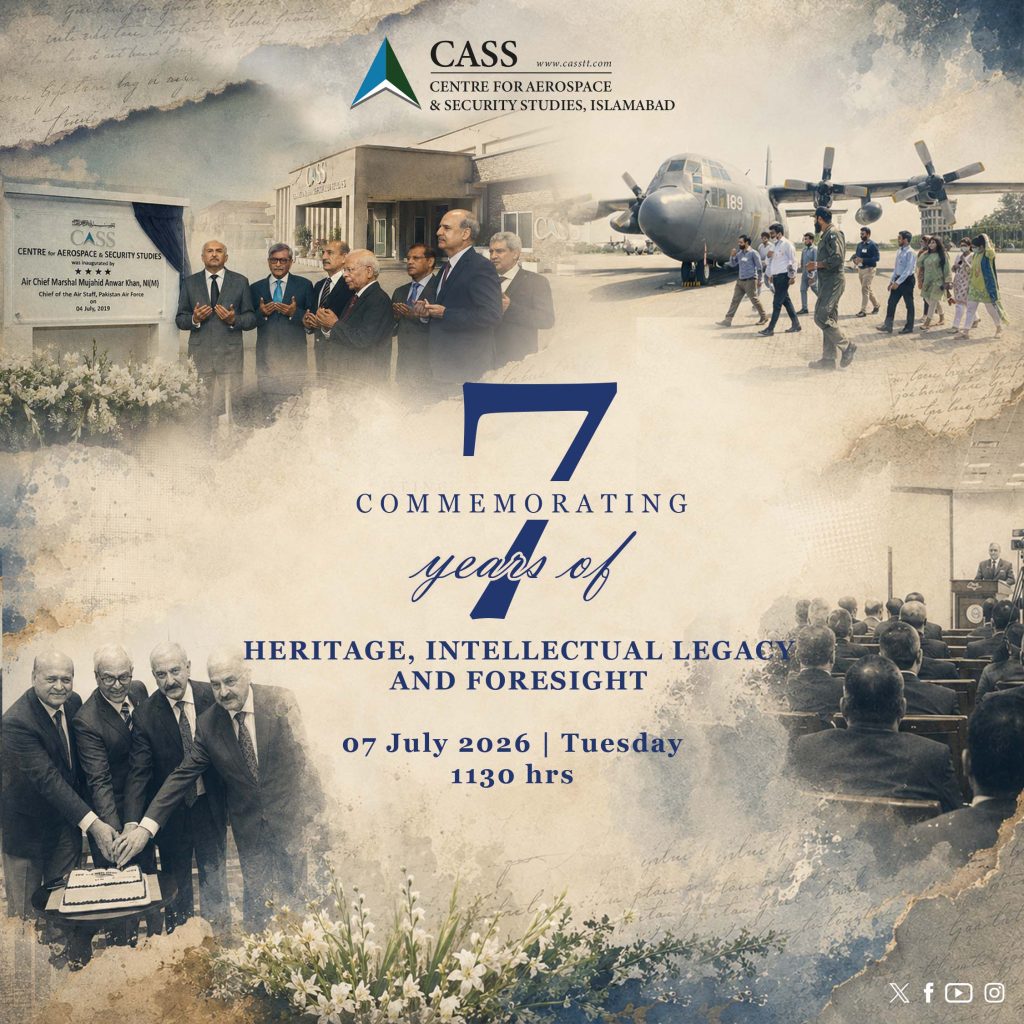
COMMEMORATING 7 YEARS OF HERITAGE, INTELLECTUAL LEGACY AND FORESIGHT
On 4 July 2019, the Centre for Aerospace & Security Studies (CASS), Islamabad, was inaugurated as Pakistan’s dedicated think tank on aerospace and security affairs,

On 4 July 2019, the Centre for Aerospace & Security Studies (CASS), Islamabad, was inaugurated as Pakistan’s dedicated think tank on aerospace and security affairs,
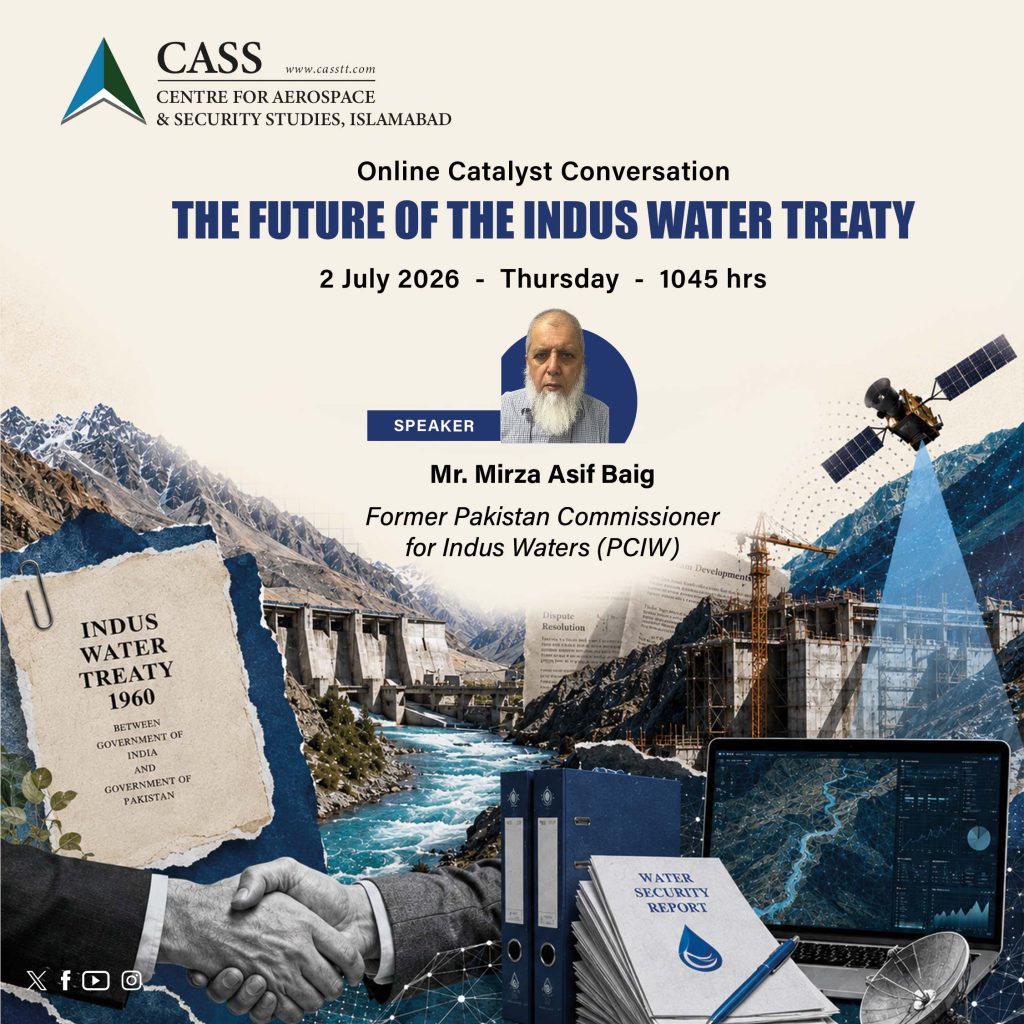
For more than six decades, the Indus Water Treaty (IWT), signed in 1960 between Pakistan and India, remained as one of the most enduring transboundary water-sharing agreements in the world. Despite multiple wars, political crises, and prolonged periods of bilateral hostility, the treaty largely continued to govern the allocation and management of the waters of the Indus BasinFor more than six decades, the Indus Water Treaty (IWT), signed in 1960 between Pakistan and India, remained as one of the most enduring transboundary water-sharing agreements in the world. Despite multiple wars, political crises, and prolonged periods of bilateral hostility, the treaty largely continued to govern the allocation and management of the waters of the Indus Basin
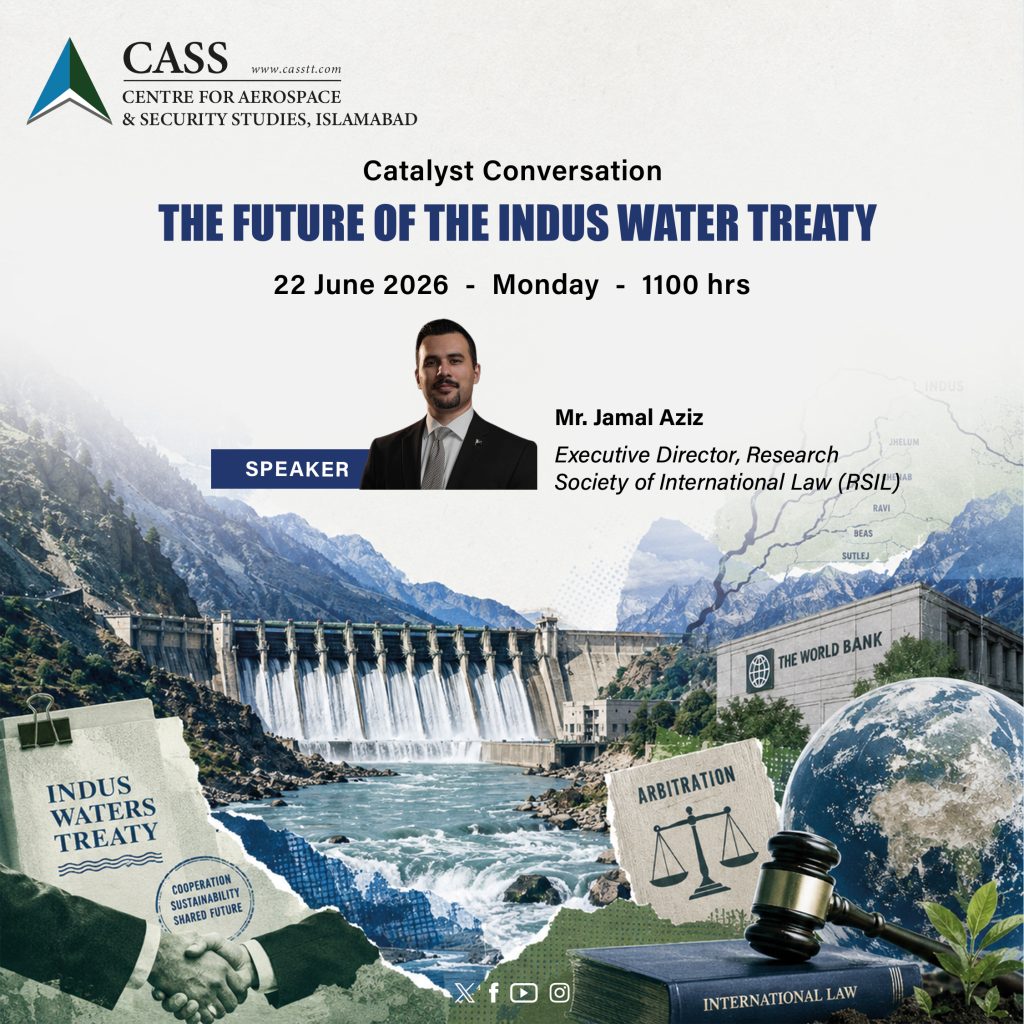
For more than six decades, the Indus Water Treaty (IWT), signed in 1960 between Pakistan and India, remained as one of the most enduring transboundary water-sharing agreements in the world. Despite multiple wars, political crises, and prolonged periods of bilateral hostility, the treaty largely continued to govern the allocation and management of the waters of the Indus Basin
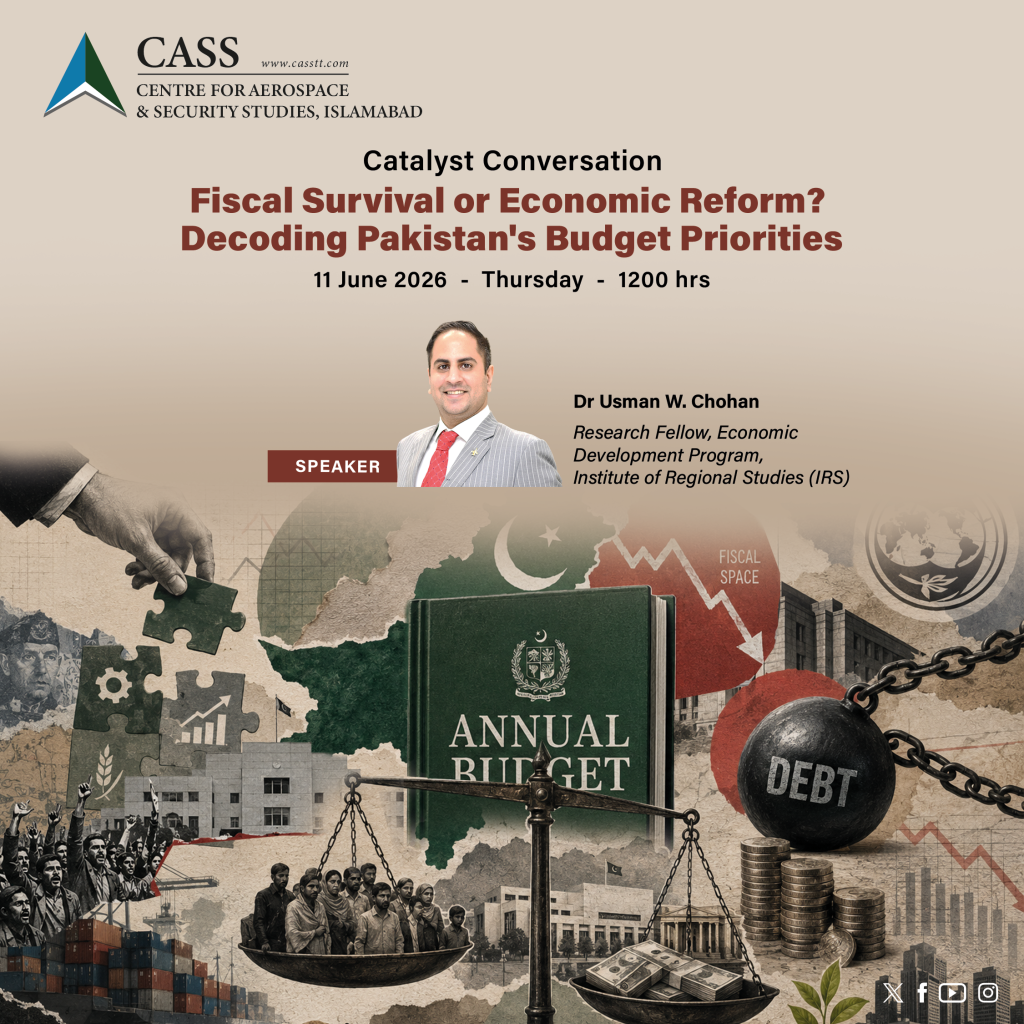
Pakistan’s annual budget is more than a fiscal document; it is a reflection of the country’s structural economic constraints, political choices, and shifting development priorities. The tension between fiscal survival and meaningful economic reform has become increasingly pronounced amid rising debt servicing obligations, limited fiscal space, and recurring dependence on external financing. In this context, budget-making often appears reactive—focused on stabilisation and compliance with short-term macroeconomic targets—rather than transformative, aimed at broad-based productivity, institutional reform, and sustainable growth.
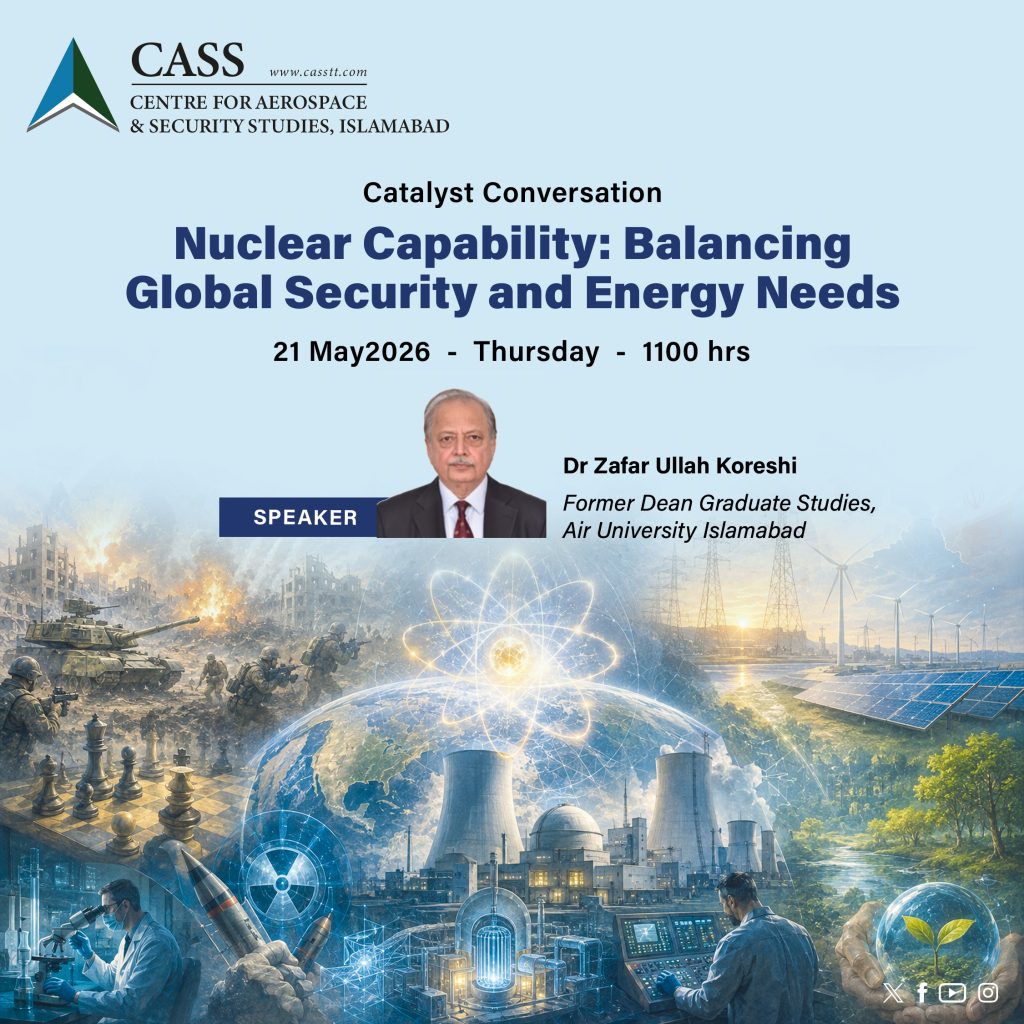
Recent global developments—including geopolitical tensions, energy crises, and shifting power dynamics—have intensified discussions around nuclear capability. After the Russia-Ukraine conflict and the US-Israel-Iran war, nations are increasingly evaluating nuclear technology not only as a strategic defense mechanism but also as a reliable and large-scale energy source. These developments have brought nuclear capability back to the forefront of international debate.
The dual-use nature of nuclear capability—serving both military and civilian purposes—makes it a critical area of analysis. The ongoing war on Iran has introduced significant uncertainty into the future of Iran’s nuclear trajectory, particularly regarding
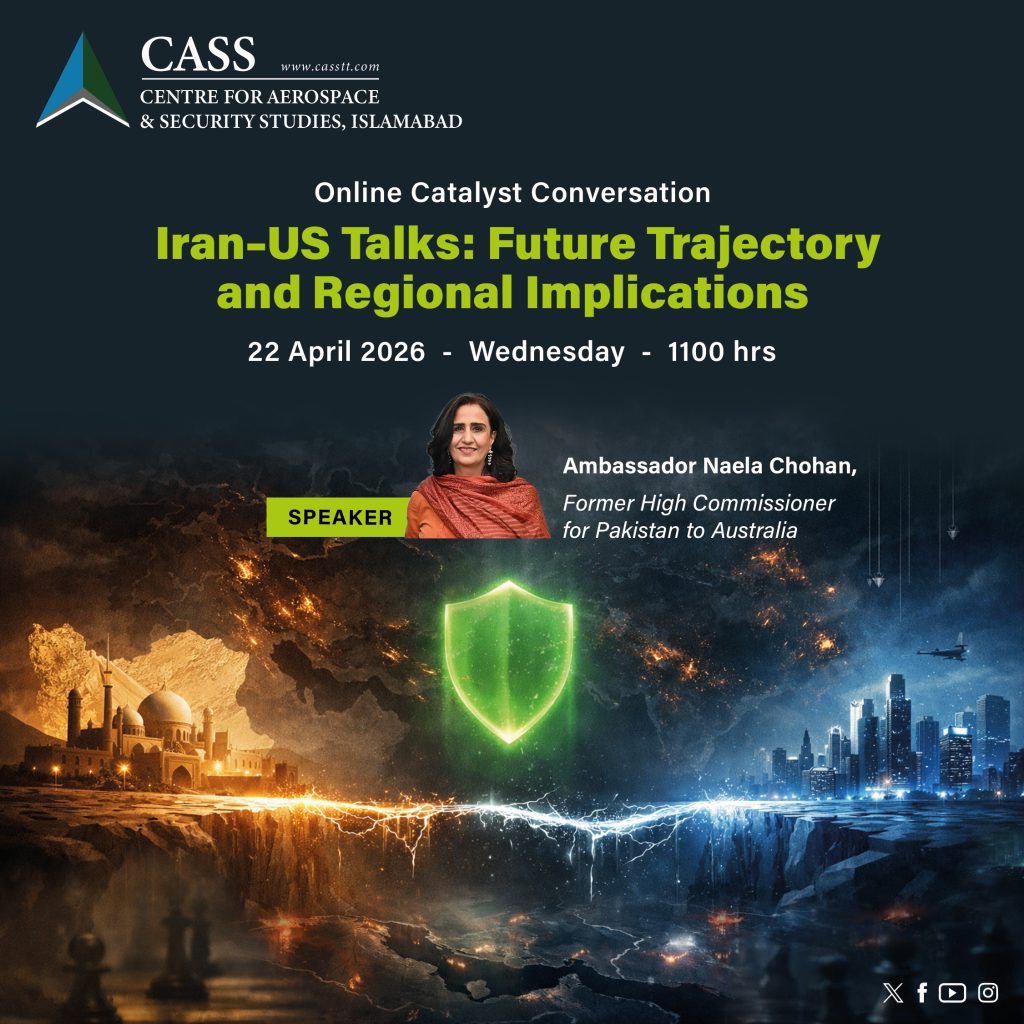
The ongoing diplomatic engagement between Iran and the United States has revived the possibility of de-escalation after a prolonged period of tensions. While the talks remain limited and fragile, they reflect a mutual recognition of the risks associated with continued confrontation.
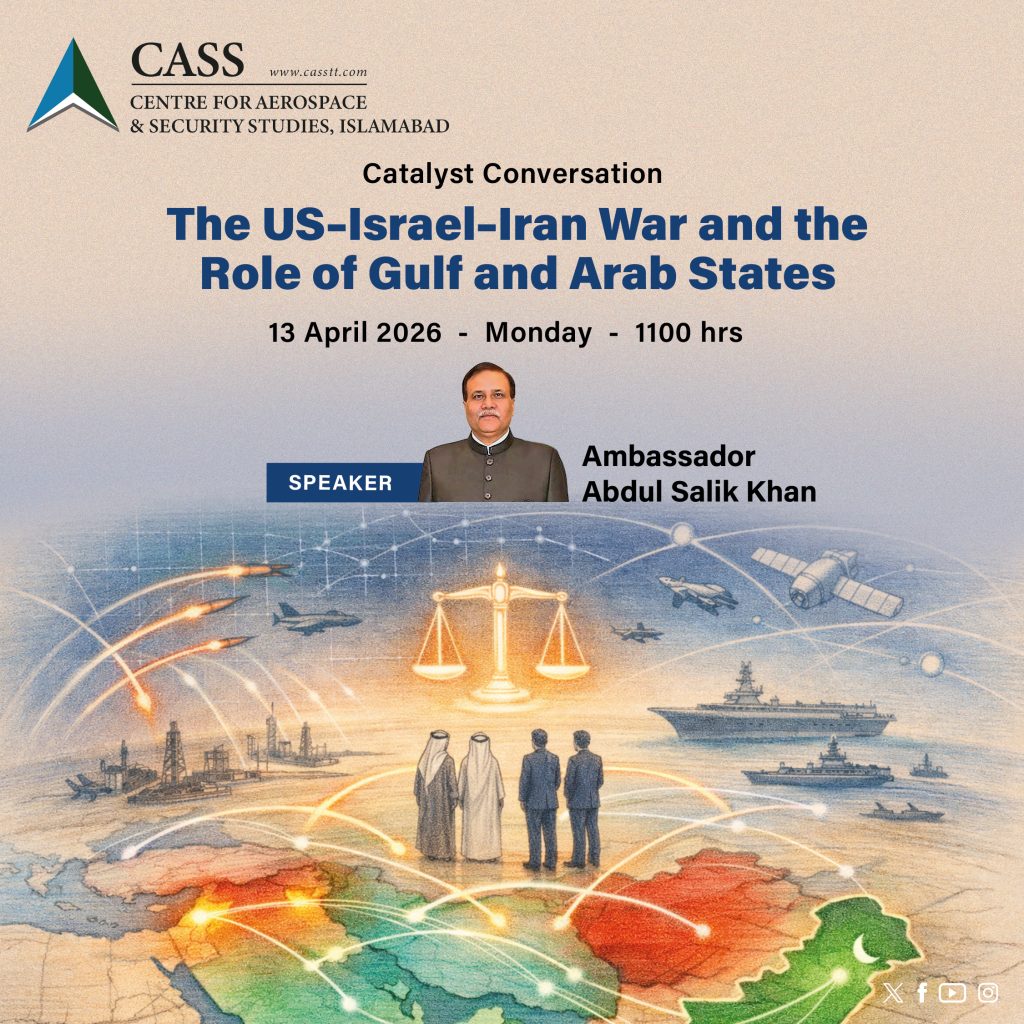
The ongoing war between the United States-Israel, and Iran has emerged as a defining crisis of the modern world, with significant implications for regional security, global energy markets, and the evolving geopolitical order. While the primary confrontation involves direct and indirect exchanges between these actors, Gulf and Arab states have become increasingly central to the conflict’s dynamics.
Hosting U.S. military assets and located in close proximity to key theatres of escalation, these states face growing security risks, including spillover
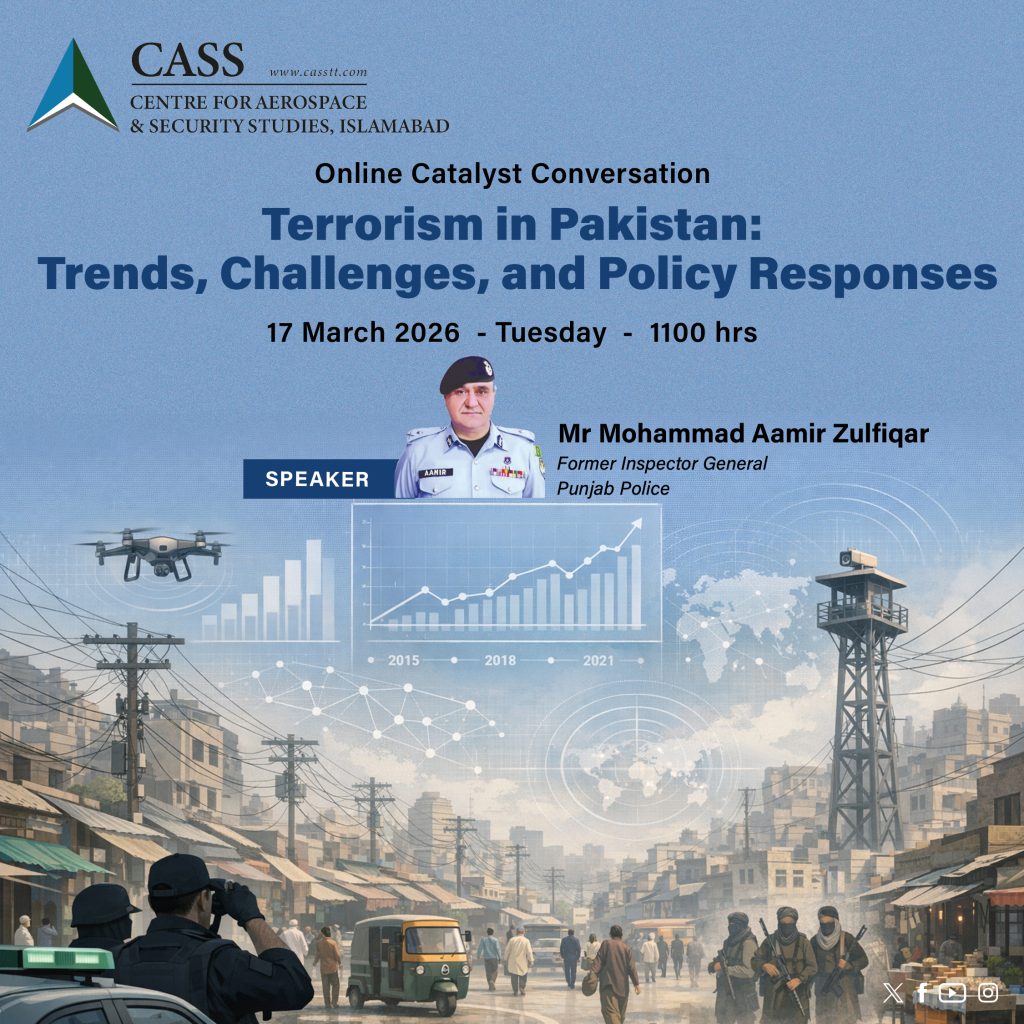
Terrorism has remained one of the most persistent security challenges in Pakistan over the past two decades, impacting stability,economic growth, and social cohesion. Despite significant
Outer space has emerged as a critical domain shaping national power, economic development, and military effectiveness in the 21st century. Space-based assets today underpin communication networks, navigation systems, disaster management, climate monitoring, intelligence gathering, and modern warfare capabilities.
The May 2025 Pakistan–India hostilities once again underscored the centrality of the Kashmir dispute to South Asia’s security and political landscape. The escalation highlighted that
