Governance in the Age of Artificial Intelligence: Exploring the Impact on Transparency, Accountability and Rule of Law

Artificial Intelligence (AI) has diverse potentials. The increasing use of AI makes it imperative to examine its impact on an important societal aspect — Governance. The paper uses three UN-proposed indicators of good governance: i. transparency, ii. accountability and iii. rule of law to assess the potential impact of AI in future governance. The research uses qualitative research design based on open-ended semi-structured interviews with AI experts to study the expert opinion on the subject.
Read More »

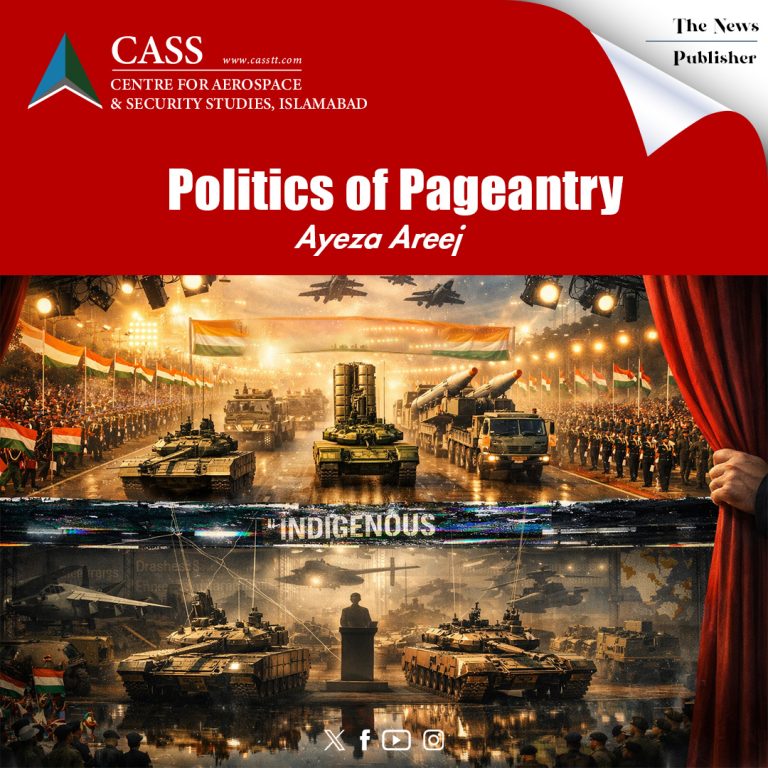
Politics of Pageantry

On 26 January 2026, India commemorated its 77th Republic Day, the day when New Delhi officially became a republic through adoption of the constitution. The Republic Day parade was projected as the celebration of India’s progress and national pride. Yet, beyond the spectacle, the parade intended to convey a calibrated strategic and political signal by manufacturing an image of self-reliant and confident India amid regional uncertainty.

Read More »

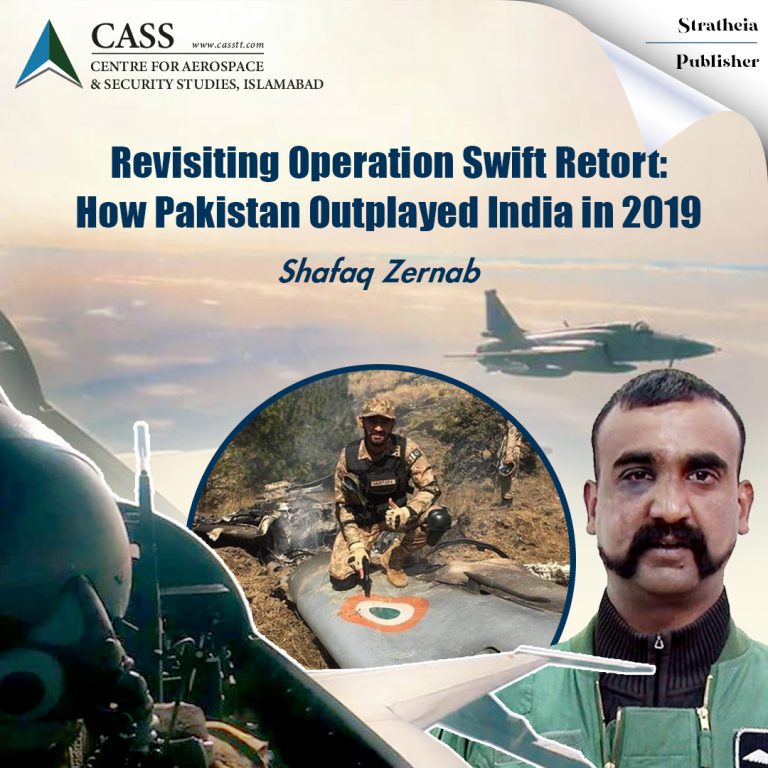
Revisiting Operation Swift Retort: How Pakistan Outplayed India in 2019

The crisis of February 2019 was far more than a transient border skirmish; it was a fundamental clash of two divergent conceptions of strategic thought under a nuclear overhang. Indian objectives were clear: to win the election and try to create space for punitive actions for bigger aims under the nuclear threshold with the pretext of labelling Pakistan as a terrorist-harbouring state. 

Read More »

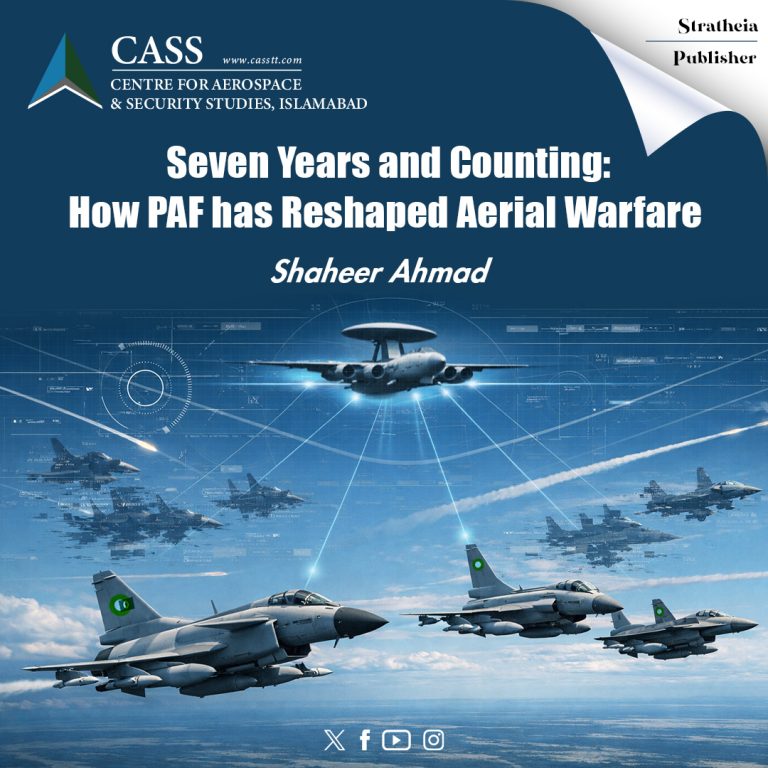
Seven Years and Counting: How PAF has Reshaped Aerial Warfare

‘What all could have happened if we had Rafale?’ This statement by Indian Prime Minister Narendra Modi surfaced after the 2019 India-Pakistan aerial showdown. The Indian Air Force’s (IAF) failed airstrikes near Balakot met a swift broad daylight response by the Pakistan Air Force (PAF) under Operation Swift Retort.

Read More »

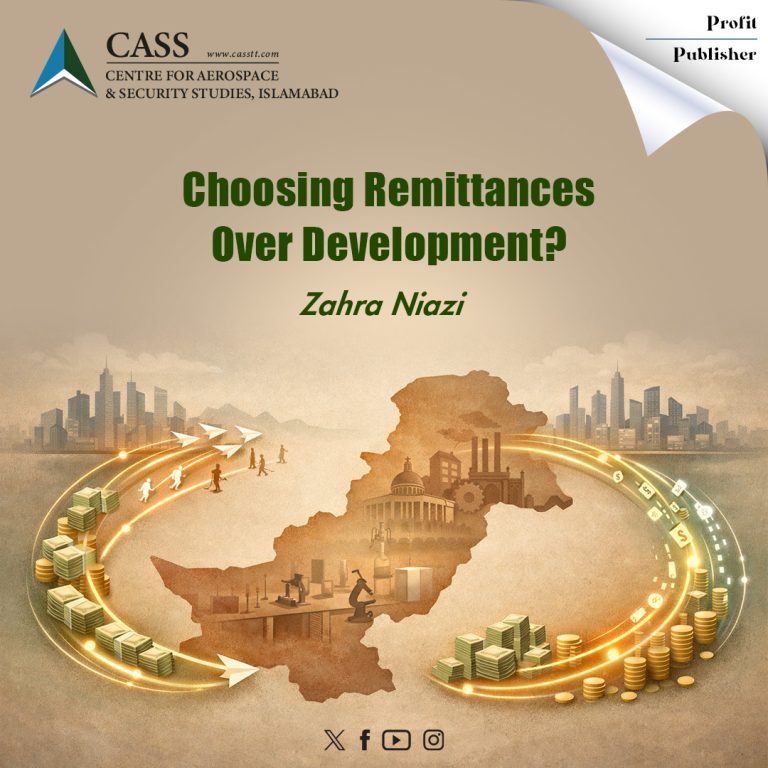
Choosing Remittances Over Development?

In 2025, according to governmental data, around 32,000 highly-skilled and highly-qualified Pakistanis registered for employment abroad, equivalent to roughly six per cent of the country’s half a million annual graduates. This number, too, represents only a part of the exodus of Pakistan’s advanced human capital nurtured in the country and now being absorbed into foreign economies.

Read More »
Public Choice and Public Value
Economic Affairs & National Development

Public Choice and Public Value

In a recent virtual book launch1 at PIDE for the book Public Value and the Post-pandemic Society, it was distinctly noted that a comparison between public

7 views

Read More »