- For more than six decades, the Indus Water Treaty (IWT), signed in 1960 between Pakistan and India, remained as one of the most enduring transboundary water-sharing agreements in the world. Despite multiple wars, political crises, and prolonged periods of bilateral hostility, the treaty largely continued to govern the allocation and management of the waters of the Indus Basin.
- Recent developments, however, have raised serious concerns regarding the future viability of the treaty framework. The unilateral suspension of treaty obligations by India, disagreements over dispute-resolution mechanisms, the growing pace of hydro-infrastructure development in the upper riparian region, and the increasing securitization of water have collectively created unprecedented uncertainty. Simultaneously, climate change, glacial retreat, extreme weather events, demographic pressures, and emerging technologies are transforming the hydrological realities upon which the treaty was originally founded.
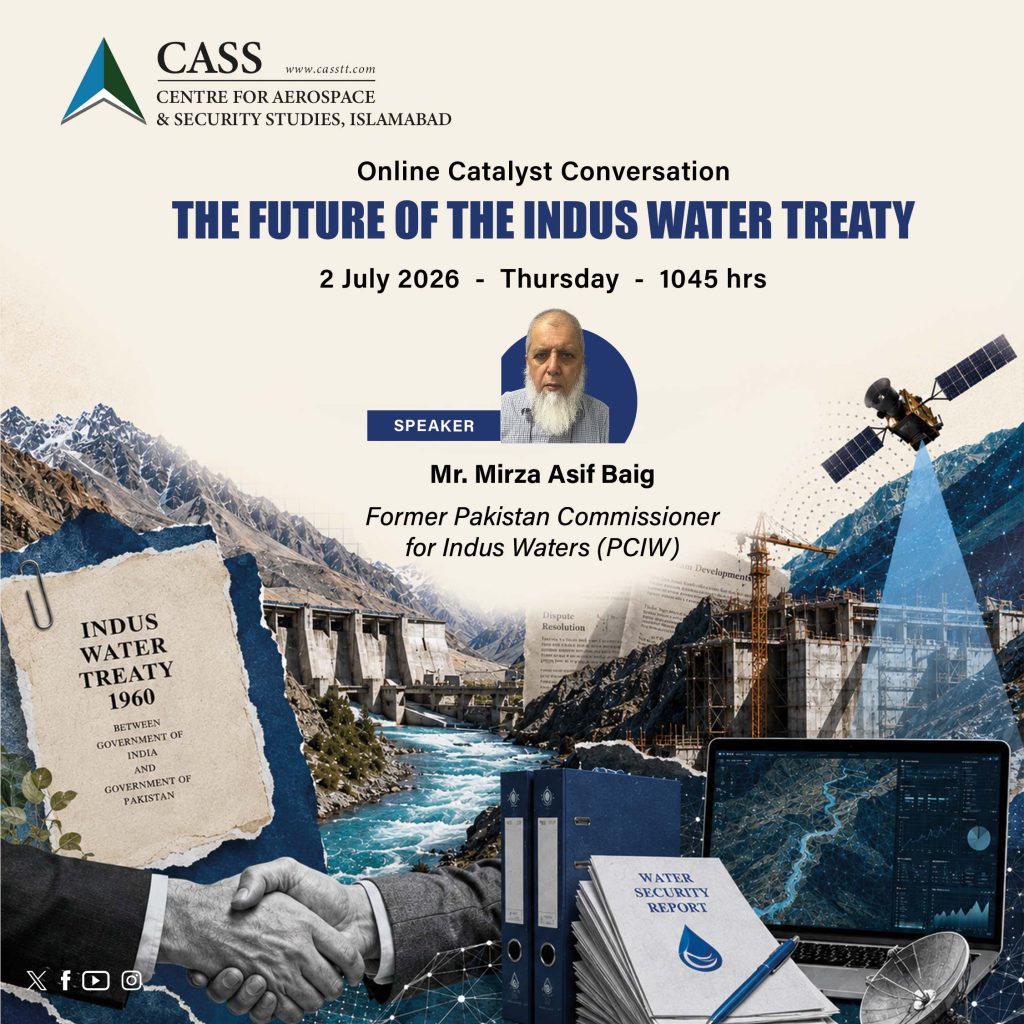
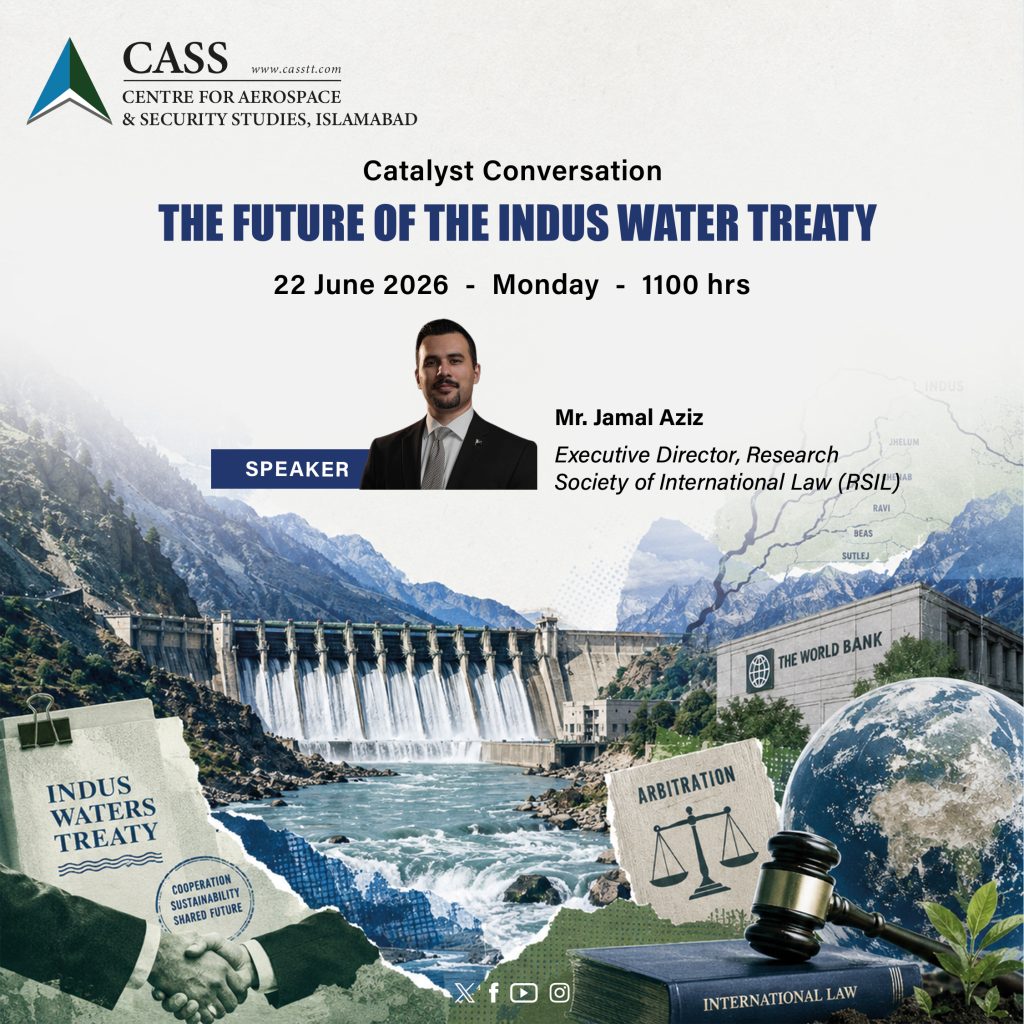
- In this context, CASS is organising a roundtable discussion by bringing together legal experts and water resource specialists to explore the evolving dynamics of the treaty and identify potential pathways for ensuring long-term water security and regional stability. The discussion will focus on the following questions:-
(a) Can one party unilaterally suspend or modify the Indus Waters Treaty under international law?
(b) How do recent arbitration and World Bank roles influence the enforceability of the treaty? What are the dispute resolution mechanisms of the treaty and how effective are they?
(c) How can IWT be legally strengthened or modernised without undermining its original framework?
(d) In case of persistent non-compliance by India, what escalation pathways exist under international law beyond the treaty framework?