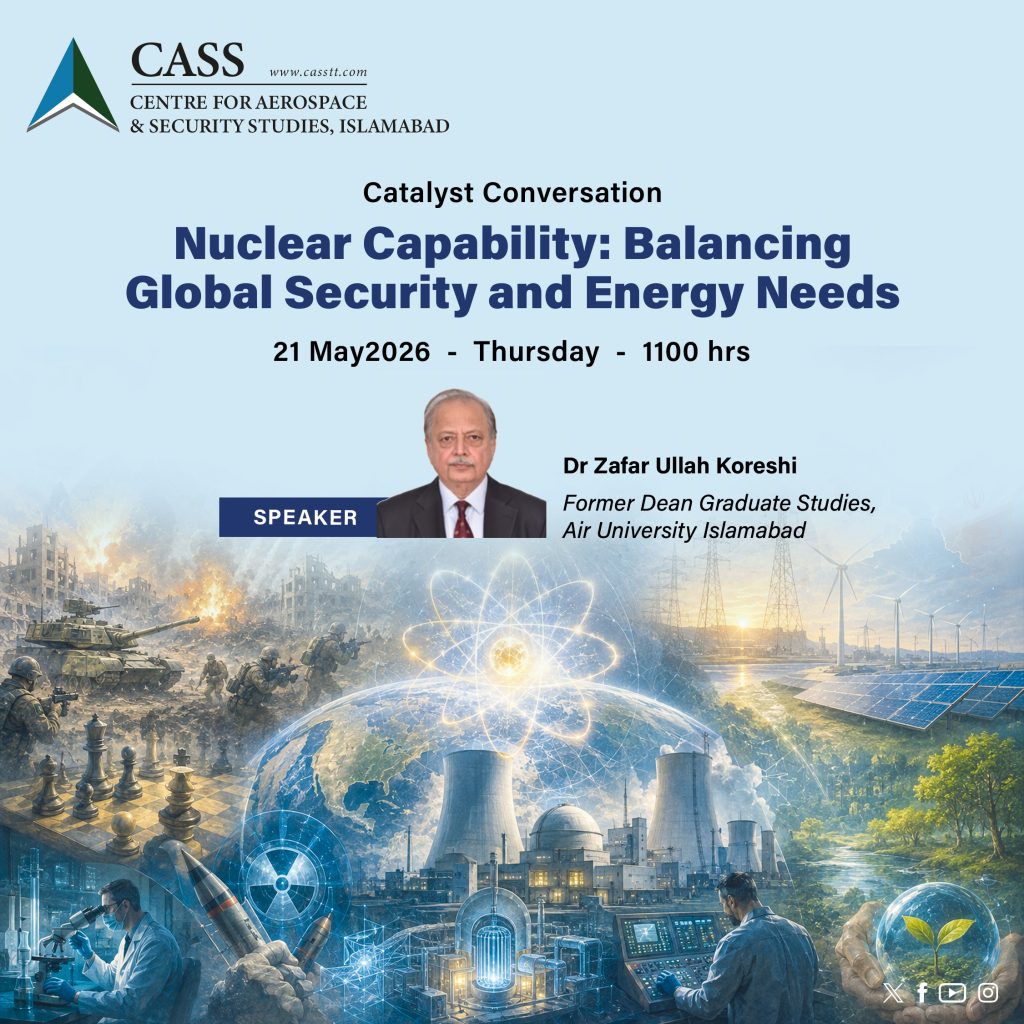
Recent global developments—including geopolitical tensions, energy crises, and shifting power dynamics—have intensified discussions around nuclear capability. After the Russia-Ukraine conflict and the US-Israel-Iran war, nations are increasingly evaluating nuclear technology not only as a strategic defense mechanism but also as a reliable and large-scale energy source. These developments have brought nuclear capability back to the forefront of international debate.
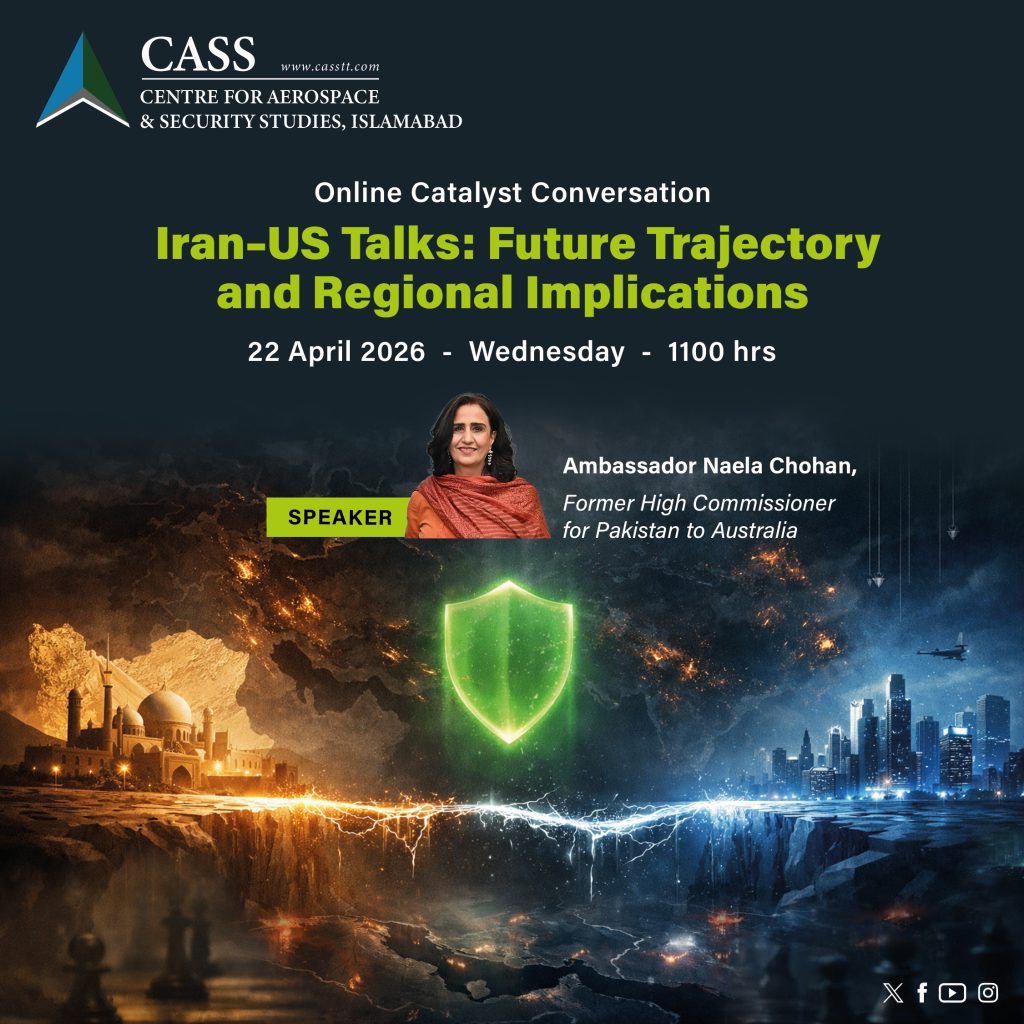
The dual-use nature of nuclear capability—serving both military and civilian purposes—makes it a critical area of analysis. The ongoing war on Iran has introduced significant uncertainty into the future of Iran’s nuclear trajectory, particularly regarding the balance between its civilian energy ambitions and potential weaponisation. Damage to key nuclear infrastructure has intensified debates over whether Tehran will accelerate its pursuit of a nuclear deterrent, maintain its threshold status, or return to diplomatic engagement. This talk aims to provide a balanced platform to examine its implications, opportunities, and risks in the contemporary global landscape, especially in the Middle East.
The objectives of this session are, to analyse recent events in Middle East influencing nuclear capability debates, to explore the view of developing and advanced nations on nuclear weapons and energy, to examine nuclear energy as a sustainable solution to energy shortages and to discuss ethical, political, and environmental considerations.
The discussion will focus on the following aspects:
- Iran’s nuclear program and current capability.
- How has the US-Israel-Iran conflict affected global views on nuclear energy and weapons?
- What results can be predicted from the planned negotiations on Iran’s nuclear program and the stockpile of enriched uranium?