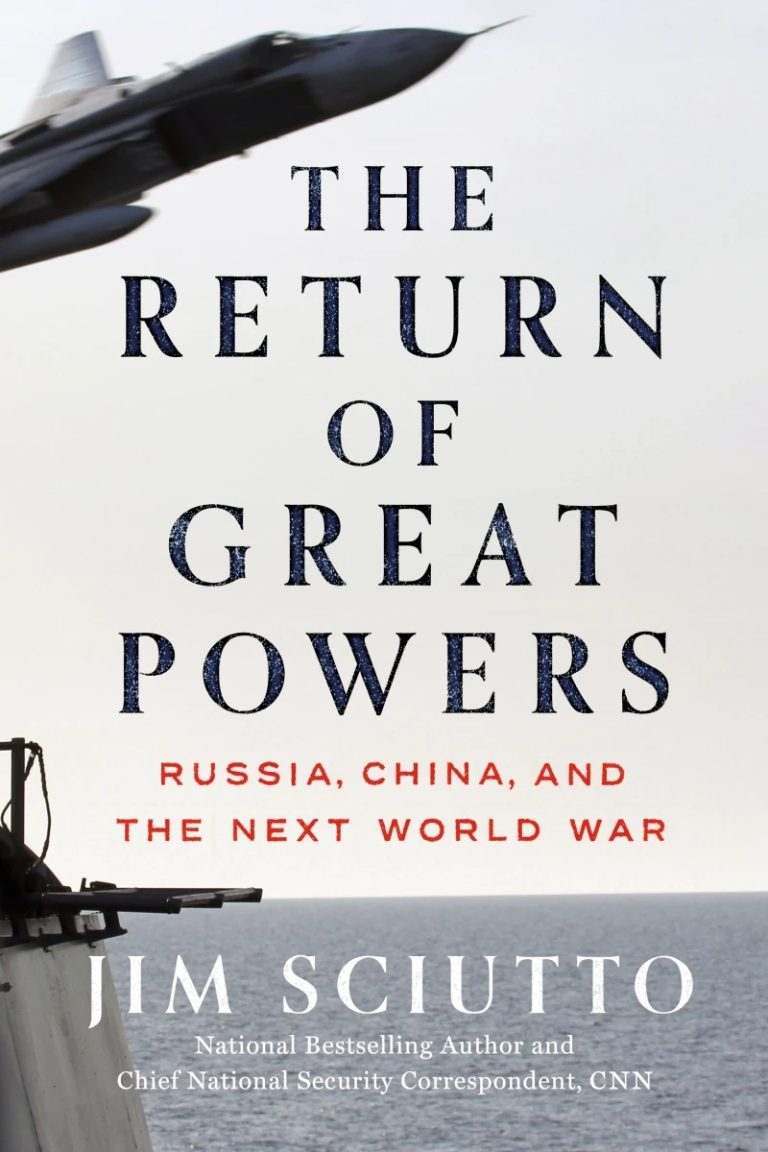
The Return of Great Powers: Russia, China, and the Next World War (New York: Dutton, 2024)

The Return of Great Powers: Russia, China, and the Next World War is a comprehensive guide that seeks to understand the major global shifts in contemporary times. It provides an analysis of the state of international politics and acts as a guide to navigate the intricacies of the current geopolitical landscape. With an understanding of the role, motives, and aspirations of the key actors involved, the book offers a detailed, nuanced, and in-depth commentary on the current world order and where it is headed.  

The book’s author, Jim Sciutto is CNN’s Chief National Security Correspondent, who also served as Chief of Staff to US Ambassador Gary Locke in China from 2011 to 2013. The analysis in the book is drawn from interviews with the USA’s senior policymakers and military figures. The book incorporates extensive use of the primary data drawn from those interviews.

In his book, Jim Scuitto discusses the ‘flash points’, which

Read More »
National Security

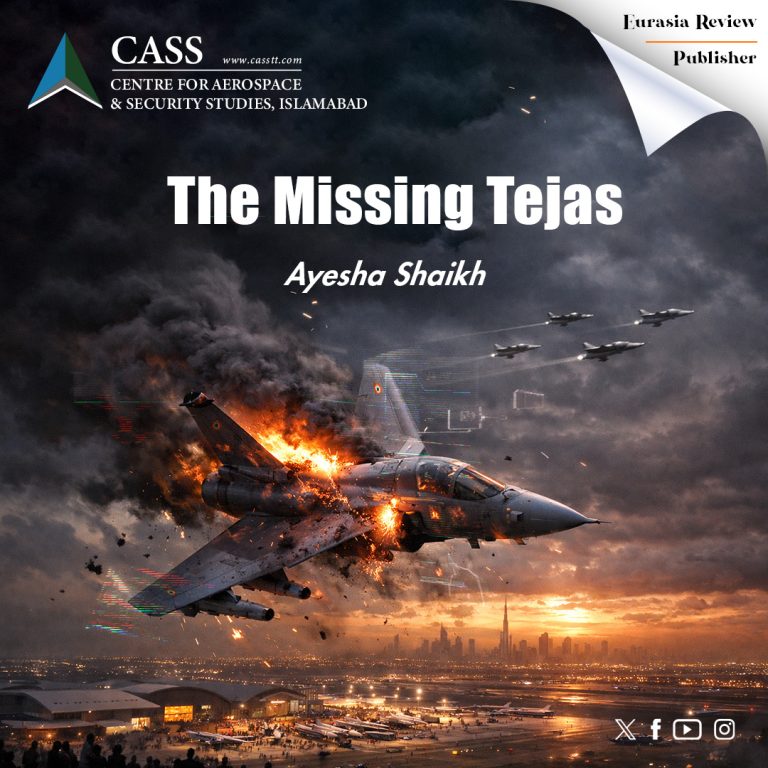
The Missing Tejas

In the world governed by the nation-state system, Air power is considered to be an eminent symbol of national pride. The ability of a nation-state to develop air power by indigenous means signifies technological superiority of a state. In this context, India has ardently been promoting the self-construed narrative of indigenous defence production. The aim of this narrative propagation is two-fold: firstly, to promote Indian defence exports, and secondly, to immunise India from excessive dependence on foreign defence imports. However, the narrative seems to be falling upon its own foundations, reflected in the absence of Tejas in the Republic Day Parade of 2026.
The Republic Day Parade is a national symbol for the glorification of the defence and military capabilities of any state. Indian Republic Day Parade

Read More »
National Security

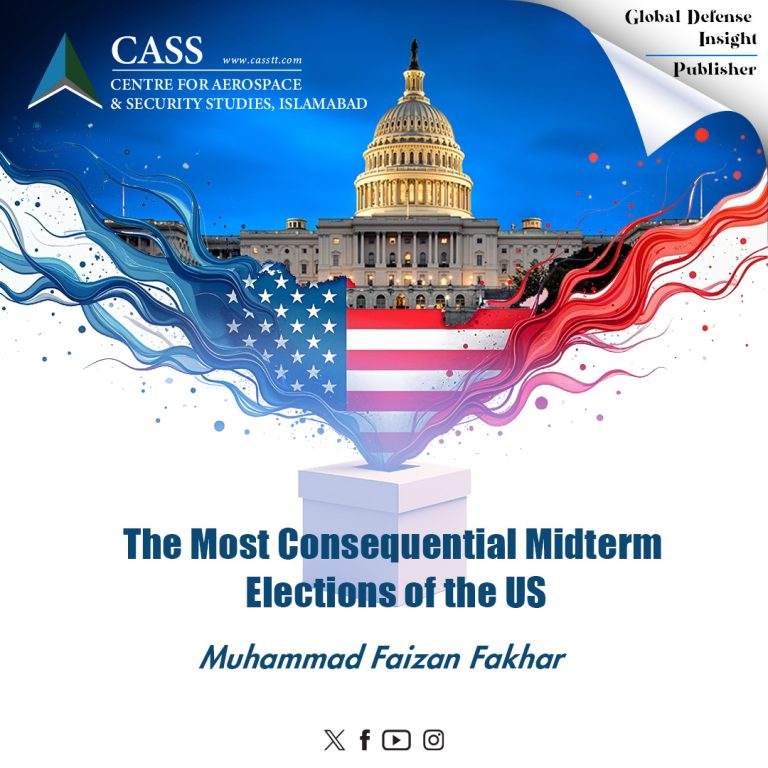
The Most Consequential Midterm Elections of the US

The US midterm elections will be held in November 2026, which can prove to be one of the most consequential midterms in the US history. The outcome of these midterms will influence the US economic strategies, domestic policies, as well as the global markets and geopolitical alliances. Being held amid escalating international tensions and deep domestic divisions, the result of these midterms will, therefore, carry considerable impacts extending far beyond Washington.
In the electoral process of the US, midterm elections are carried out near the midpoint of the four-year presidential term. During midterms, all 435 seats of the House of Representatives and one-third of the Senate seats are up for election. Thus, the results of these elections determine who gets to control the Congress. Since Congress influences everything, from legislation, spending, and oversight

Read More »

Governance in the Age of Artificial Intelligence: Exploring the Impact on Transparency, Accountability and Rule of Law

Artificial Intelligence (AI) has diverse potentials. The increasing use of AI makes it imperative to examine its impact on an important societal aspect — Governance. The paper uses three UN-proposed indicators of good governance: i. transparency, ii. accountability and iii. rule of law to assess the potential impact of AI in future governance. The research uses qualitative research design based on open-ended semi-structured interviews with AI experts to study the expert opinion on the subject.

Read More »

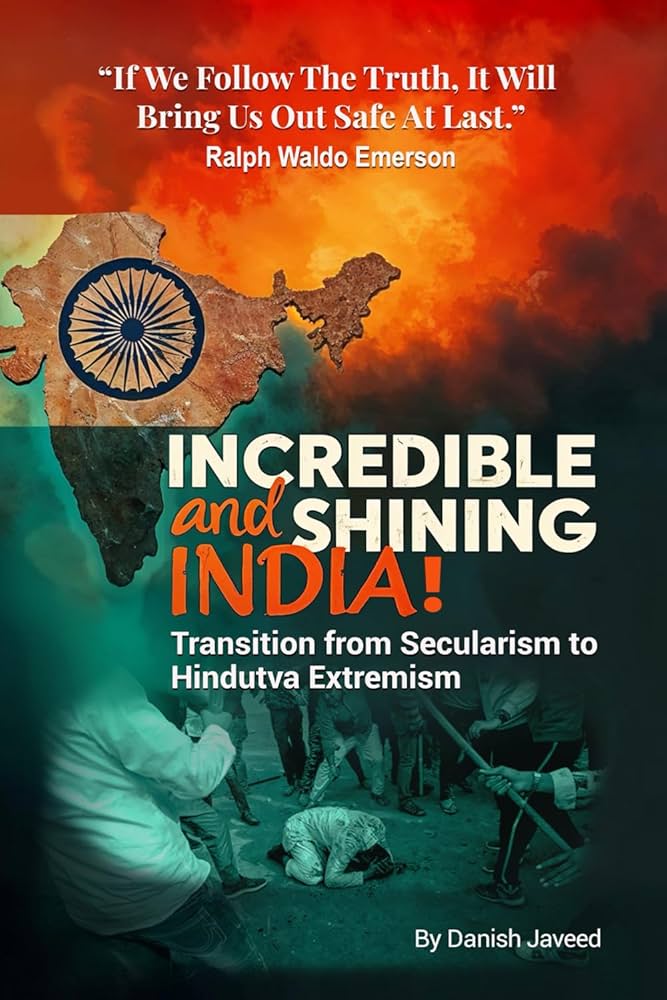
The Incredible and Shining India! Transition from Secularism to Hindutva Extremism

Danish Javeed’s book The Incredible and Shining India! Transition from Secularism to Hindutva Extremism uncovers the gruesome realities that lie beneath India’s projected image as a prosperous nation. It serves as a powerful reminder that human rights atrocities must continue to be documented even long after they have occurred, as the sooner they are forgotten, the greater the risk that they will be normalised.

Read More »

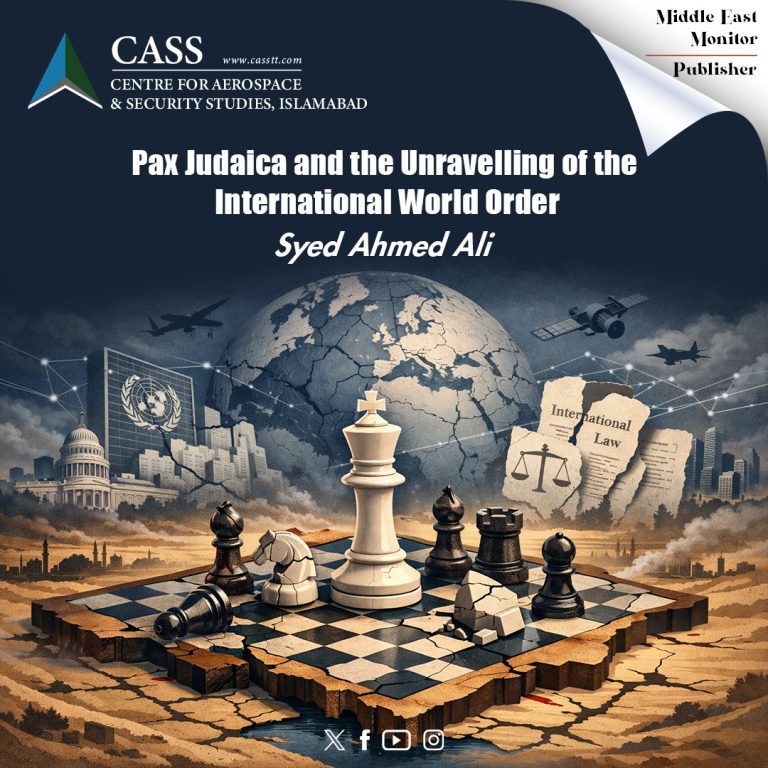
Pax Judaica and the Unravelling of the International World Order

Israel’s aggressive settlement expansion and blatant disregard for international law have contributed towards the fragmentation of the international rules-based order. In the midst of this upheaval, Tel Aviv has cemented itself as the dominant power in the Middle East, creating what commentators term “Pax Judaica”. This regional order is dominated by Israeli perceptions of security threats which it must eliminate for the preservation of the Jewish state.

Read More »

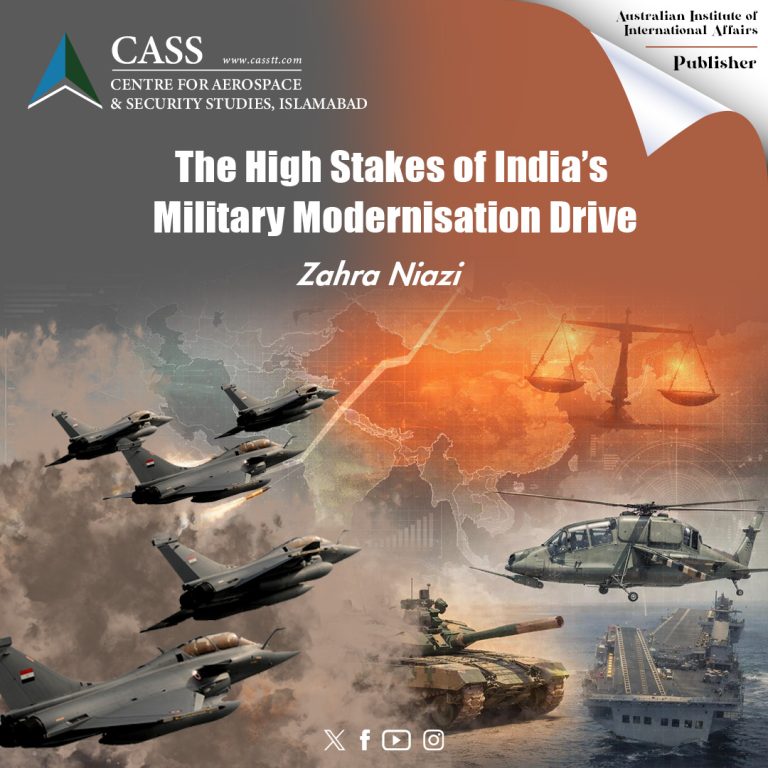
The High Stakes of India’s Military Modernisation Drive

New Delhi’s recent defence budget announcement for fiscal year (FY) 2026-27 represents more than just a budgetary jump; it carries important implications for South Asian stability, warranting closer reflection. The allocation of USD 85 billion to defence, with capital expenditure rising by 22 per cent compared with a 17 per cent increase in revenue expenditure, clearly reflects the government’s prioritisation of accelerated military modernisation over routine operational sustainment.

Read More »

Diplomatic Détente, Strategic Competition: The Recent Reset In India-China Ties

On 1st September, 2025, Chinese President Xi Jinping and Indian Prime Minister Modi met on the sidelines of the Shanghai Cooperation Organisation (SCO) Summit in Tianjin, China, and mutually agreed to forgo their historical rivalry in favour of a partnership. To signal the transition to this new phase, both states announced the resumption of direct flights after a five-year hiatus, as well as the restoration of tourist visas.

Read More »