Eventpage-WEB Banner-CC-Quaid-17 Dec 2024-AP


Share this event

Facebook
Twitter
LinkedIn

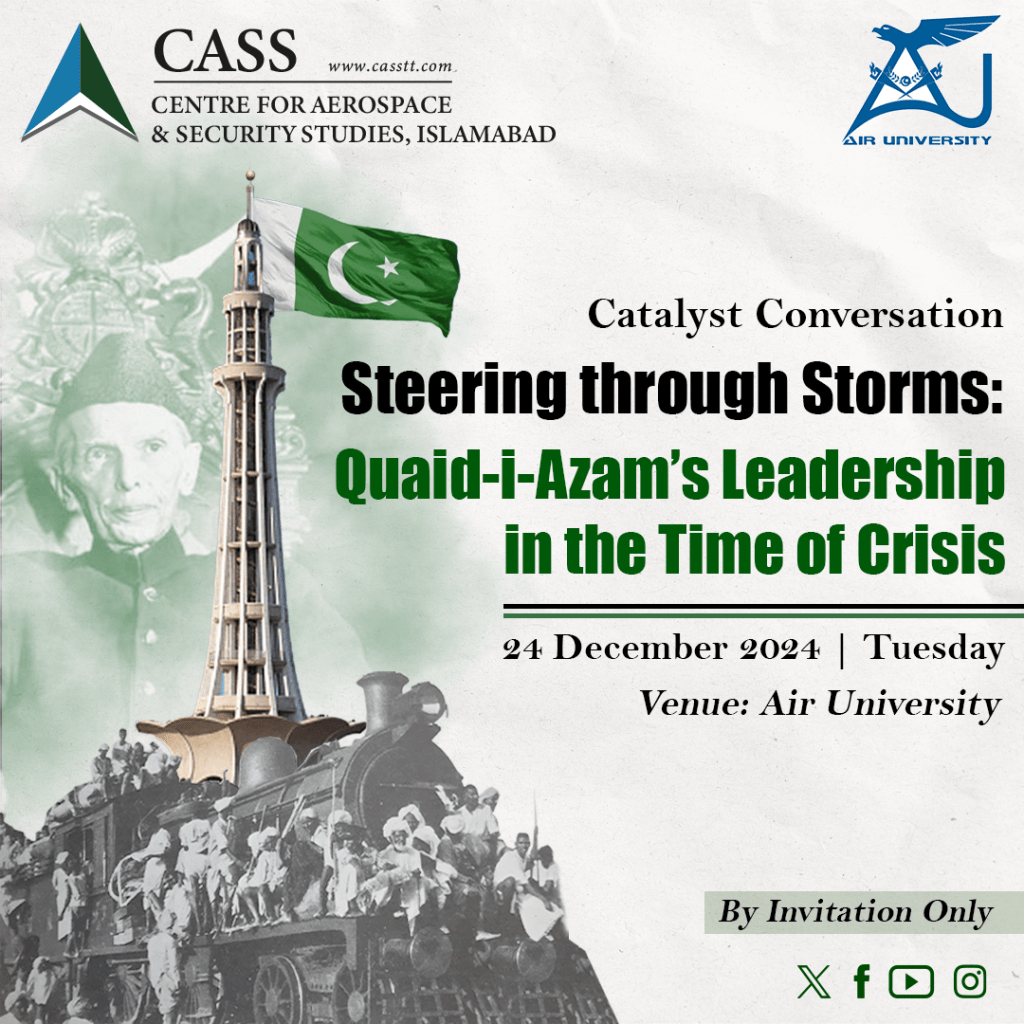
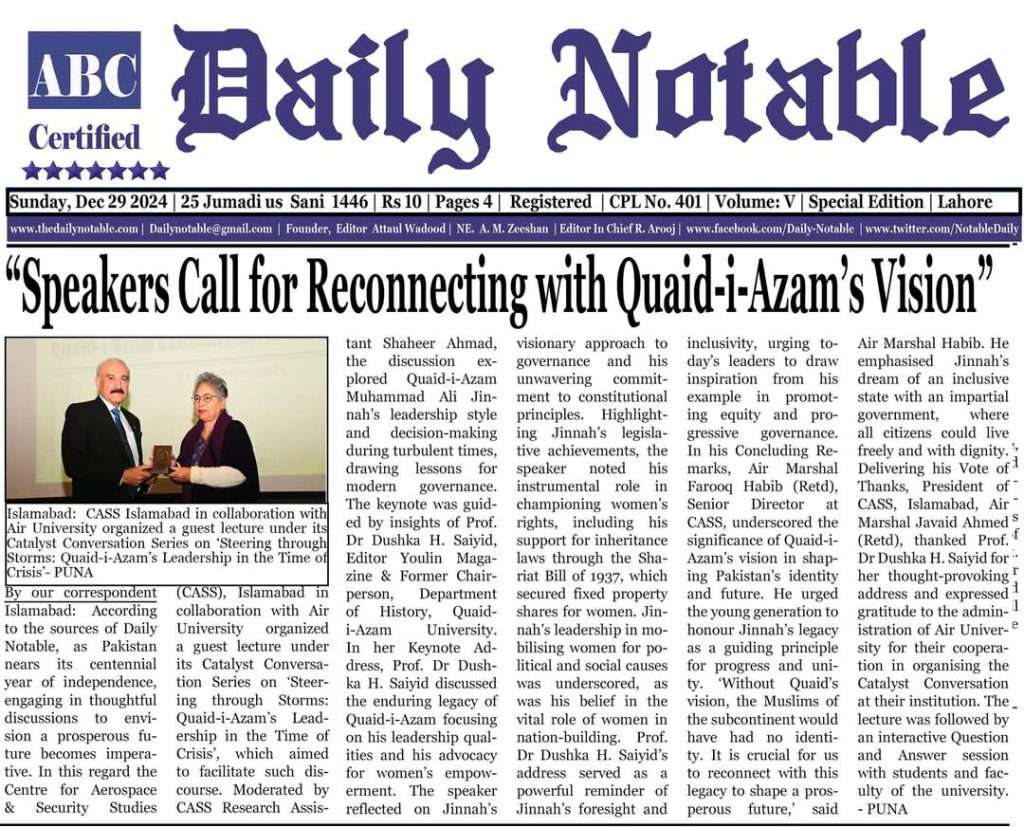
Muhammad Ali Jinnah played a crucial role in shaping the political and social landscape of South Asia during a time of profound upheaval and uncertainty. His leadership during the independence movement, which culminated in the creation of Pakistan in 1947, was marked by strategic foresight, resilience, and an ability to navigate through complex crises. This is particularly relevant today as contemporary leaders face challenges that require a similar combination of courage, clarity of vision, and adaptability.

In this regard, CASS-Islamabad, is organising a special lecture under its Catalyst Conversation Series which seeks to explore Jinnah’s leadership style, decision-making and strategies he employed to steer the Muslim community through turbulent times. By highlighting his personality traits, the lecture aims to draw parallels between Jinnah’s leadership during crisis and the demands of modern governance, exploring lessons that can be applied in current political, social and economic contexts. The key objectives of the lecture are outlined below:

  • Analyse Quaid-i-Azam’s leadership style during critical moments in history,
  • Examine how Quaid’s decisions and political strategies impacted the Muslim community and broader region,
  • Identify key lessons from Quaid-i-Azam’s leadership that are applicable to current challenges in political leadership and governance,
  • Cultivate a deeper understanding of Jinnah’s vision, communication style, and negotiation tactics during periods of crisis.

Press Release

News Coverage
News Links
Other Events

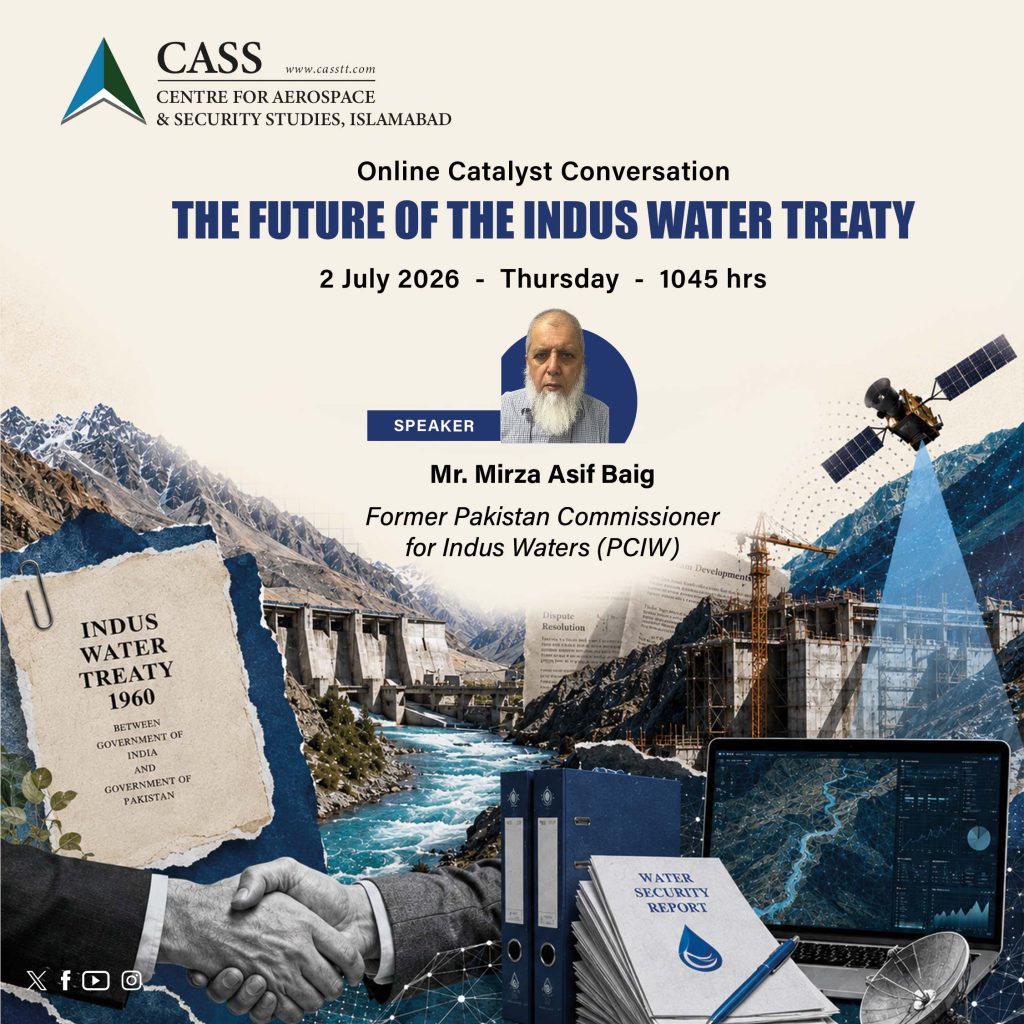
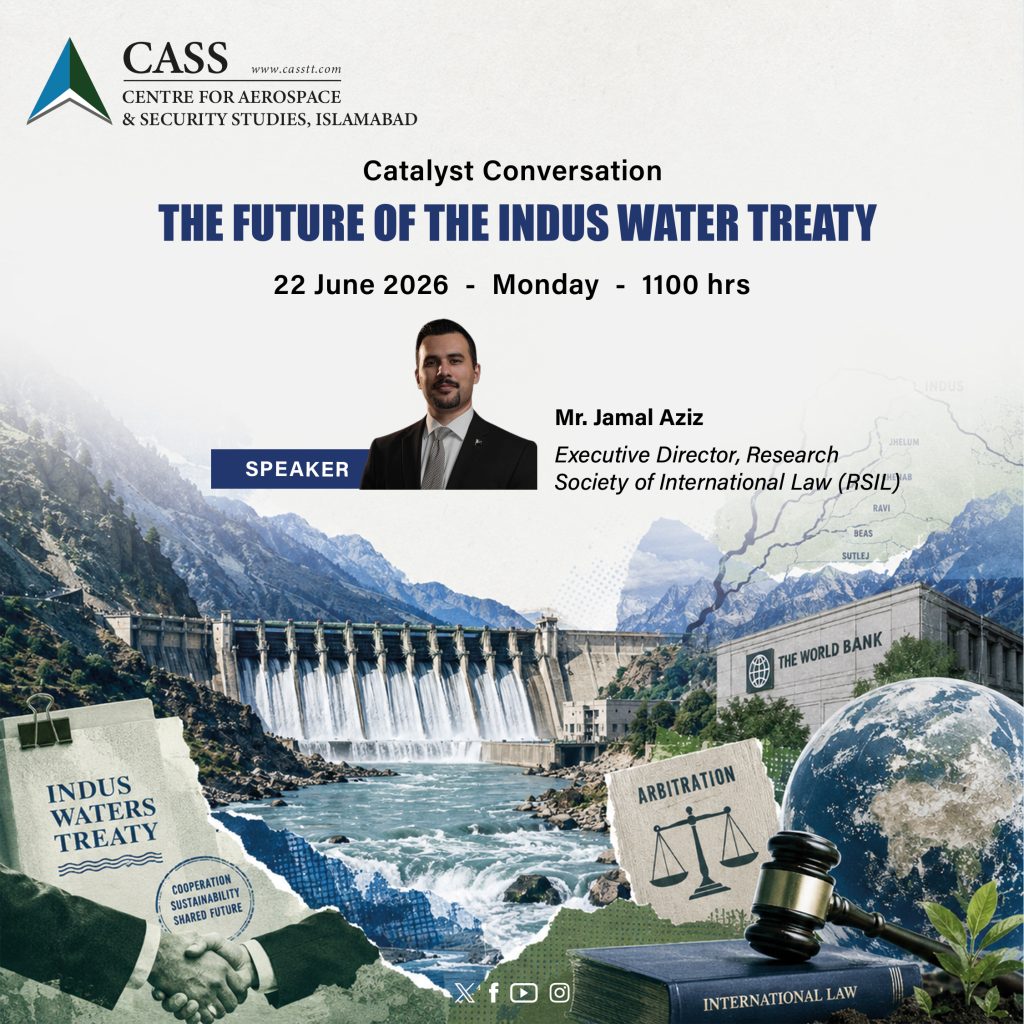
THE FUTURE OF THE INDUS WATER TREATY

For more than six decades, the Indus Water Treaty (IWT), signed in 1960 between Pakistan and India, remained as one of the most enduring transboundary water-sharing agreements in the world. Despite multiple wars, political crises, and prolonged periods of bilateral hostility, the treaty largely continued to govern the allocation and management of the waters of the Indus Basin

Read More »

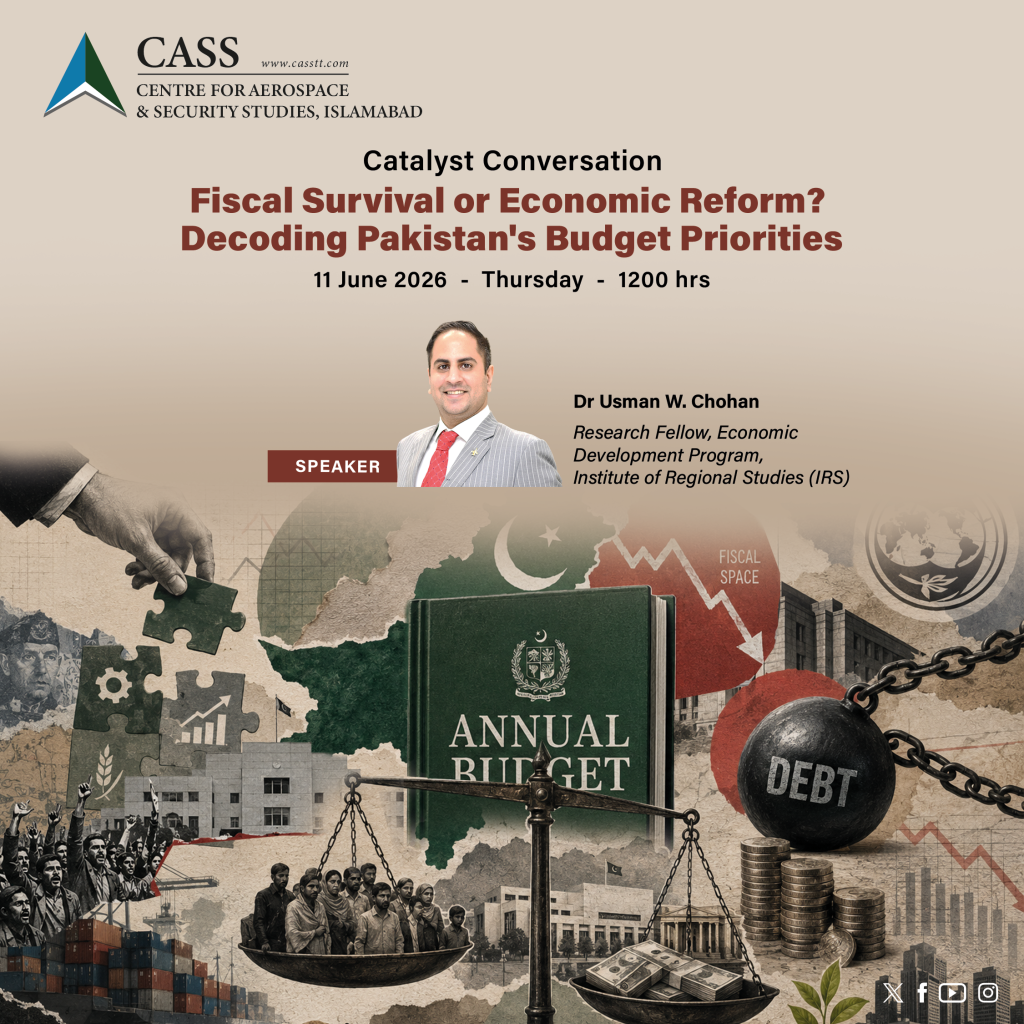
Fiscal Survival or Economic Reform? Decoding Pakistan’s Budget Priorities

Pakistan’s annual budget is more than a fiscal document; it is a reflection of the country’s structural economic constraints, political choices, and shifting development priorities. The tension between fiscal survival and meaningful economic reform has become increasingly pronounced amid rising debt servicing obligations, limited fiscal space, and recurring dependence on external financing. In this context, budget-making often appears reactive—focused on stabilisation and compliance with short-term macroeconomic targets—rather than transformative, aimed at broad-based productivity, institutional reform, and sustainable growth.

Read More »

Nuclear Capability: Balancing Global Security and Energy Needs

Recent global developments—including geopolitical tensions, energy crises, and shifting power dynamics—have intensified discussions around nuclear capability. After the Russia-Ukraine conflict and the US-Israel-Iran war, nations are increasingly evaluating nuclear technology not only as a strategic defense mechanism but also as a reliable and large-scale energy source. These developments have brought nuclear capability back to the forefront of international debate.
The dual-use nature of nuclear capability—serving both military and civilian purposes—makes it a critical area of analysis. The ongoing war on Iran has introduced significant uncertainty into the future of Iran’s nuclear trajectory, particularly regarding

Read More »