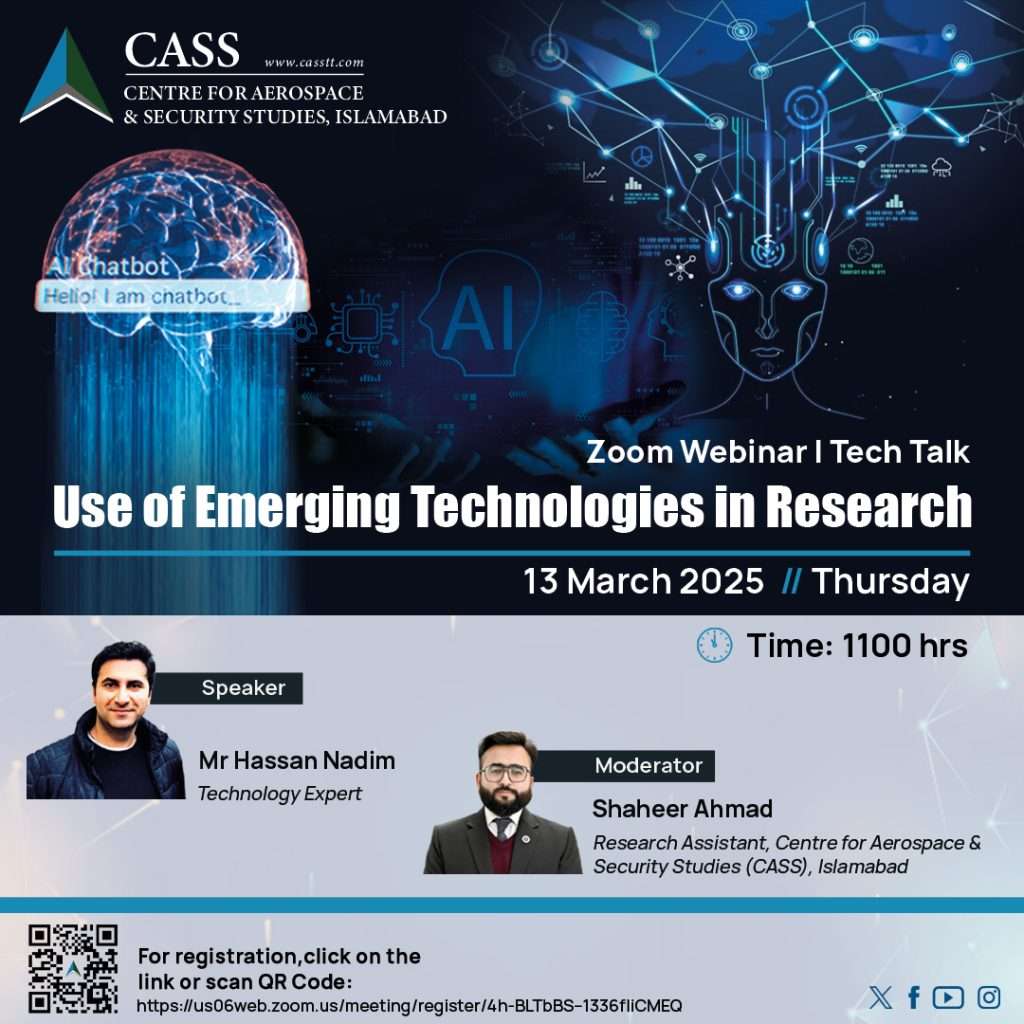
Artificial Intelligence (AI) is increasingly becoming a transformative tool in social sciences research, enabling scholars to analyse vast amounts of data with unprecedented speed and precision. AI technologies, such as machine learning and natural language processing, allow researchers to identify patterns, trends, and behaviours within complex social data. These advanced tools facilitate predictive modelling and deeper insights into human behaviour, societal dynamics, and emerging trends, enhancing our understanding of social phenomena. With AI, researchers can tackle previously unmanageable datasets, providing more accurate, timely, and data-driven insights that can inform decisions in areas such as public policy, economics, and psychology.
Despite the immense potential of AI in social sciences, its application also raises significant ethical and methodological concerns. AI-driven research must navigate challenges related to data privacy, algorithmic bias, and transparency, especially when working with sensitive social data. Additionally, ensuring that AI models are designed to reflect diverse social contexts and do not perpetuate harmful stereotypes or biases is critical. As AI continues to shape the future of social research, there is a need for interdisciplinary collaboration to establish ethical guidelines and ensure that these technologies are used responsibly to promote fairness, accuracy, and inclusivity in social sciences research. This discussion will focus on the following questions:
- How might traditional research methodologies be impacted by the use of emerging technologies?
- What are the potential risks of algorithmic bias in AI models (particularly regarding Western-centric perspectives), and how can these biases be addressed?
- Does the use of Generative AI affect the attention span and creativity of Gen Z when conducting research?
- How can AI tools be leveraged to enhance policy-making decisions based on research findings while ensuring data reliability?
- How can think tanks effectively incorporate emerging technologies and Generative AI into their work? What strategies should be adopted moving forward?
Press Release