Share this event

Facebook
Twitter
LinkedIn

Introduction

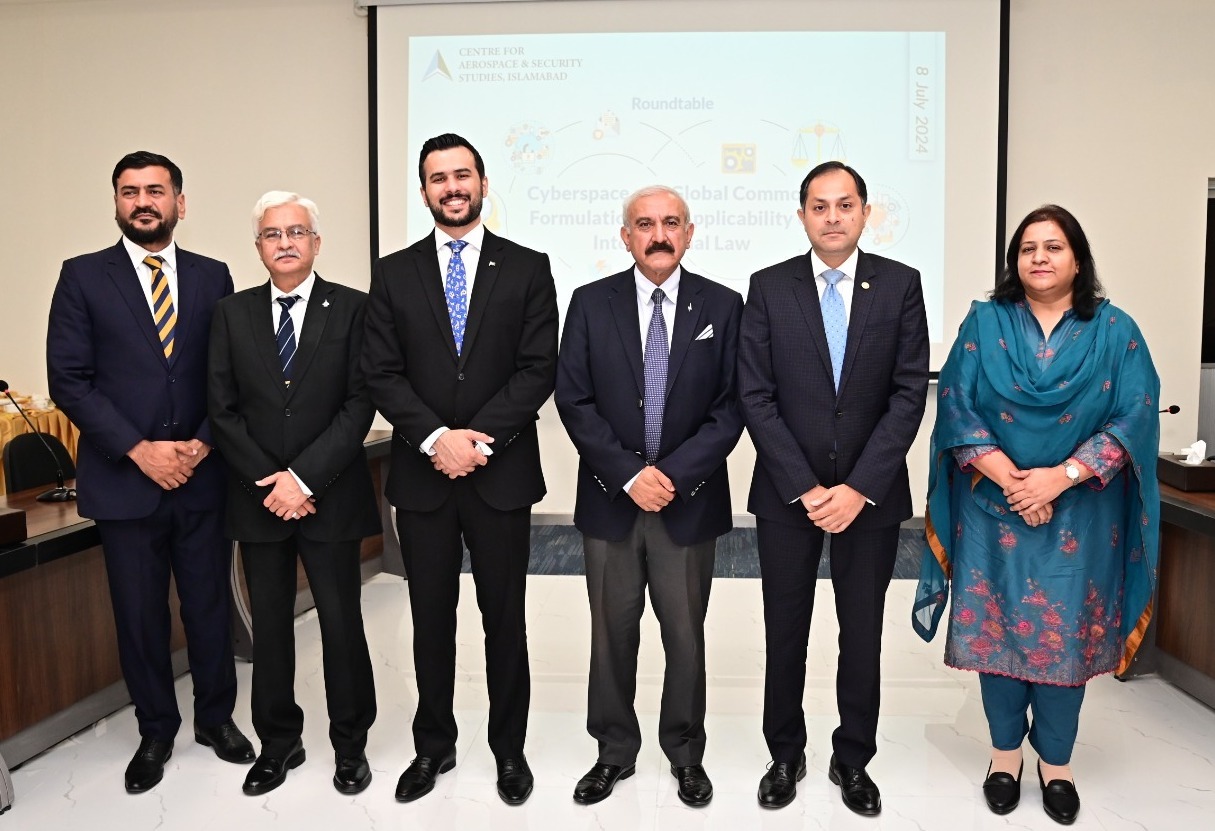
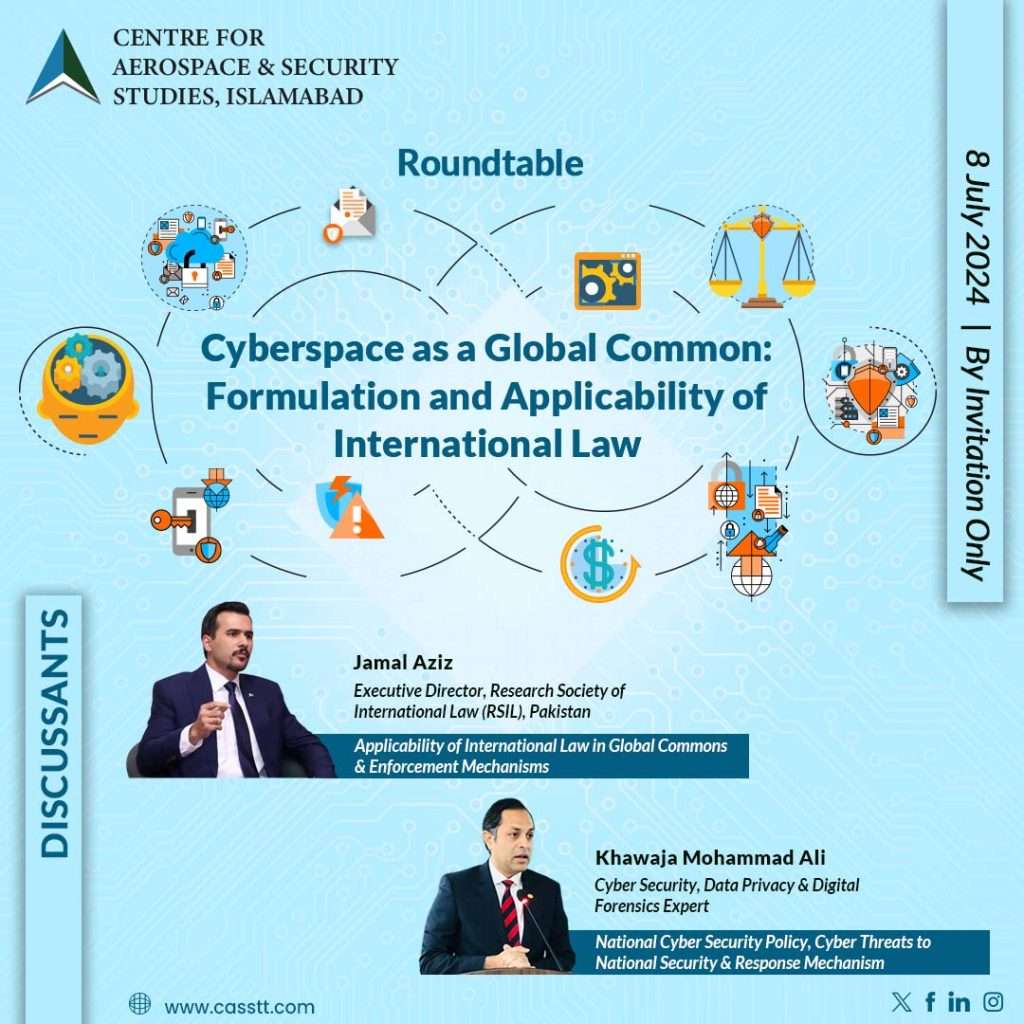
In the modern digital age, cyberspace has become an integral part of our daily lives, shaping how we communicate, conduct business, and interact with the world. However, as cyberspace transcends physical borders, it poses unique challenges to traditional legal frameworks. Understanding cyberspace as a ‘global common’ and the applicability of international law within this realm is crucial for ensuring security, stability, and cooperation in the digital domain.

Objective

The roundtable aims to explore the concept of cyberspace as a global common and assess the applicability of international law in regulating activities within this domain. It seeks to create a deeper understanding of the challenges and opportunities presented by cyberspace and facilitate discussions on the development of effective legal frameworks to address them. Subject experts will discuss the following relevant issues:

1.    Cyberspace as a Global Common


2.    International Law and Global Commons


3.    National Cyber Security, Cyber Threats and Response Mechanisms


4.    Future Directions and Possibilities


By examining cyberspace as a global common and the applicability of international law, the roundtable aims to encourage dialogue on effective strategies for governing cyberspace such as international cooperation and collaboration; and promoting a secure, open, and inclusive digital environment. 

News Coverage

Newspaper Links


Other Events

Nuclear Capability: Balancing Global Security and Energy Needs

Recent global developments—including geopolitical tensions, energy crises, and shifting power dynamics—have intensified discussions around nuclear capability. After the Russia-Ukraine conflict and the US-Israel-Iran war, nations are increasingly evaluating nuclear technology not only as a strategic defense mechanism but also as a reliable and large-scale energy source. These developments have brought nuclear capability back to the forefront of international debate.
The dual-use nature of nuclear capability—serving both military and civilian purposes—makes it a critical area of analysis. The ongoing war on Iran has introduced significant uncertainty into the future of Iran’s nuclear trajectory, particularly regarding

Read More »

Catalyst Conversation : The US–Israel–Iran War and the Role of Gulf and Arab States

The ongoing war between the United States-Israel, and Iran has emerged as a defining crisis of the modern world, with significant implications for regional security, global energy markets, and the evolving geopolitical order. While the primary confrontation involves direct and indirect exchanges between these actors, Gulf and Arab states have become increasingly central to the conflict’s dynamics.
Hosting U.S. military assets and located in close proximity to key theatres of escalation, these states face growing security risks, including spillover

Read More »