Technological advancements are pivotal to fostering development and economic growth. However, unequal access to these innovations exacerbates existing inequalities, widening the socio-economic and digital divides between nations. Developing countries, in particular, grapple with systemic barriers, including inadequate infrastructure, the high cost of digital services, and limited digital literacy. These challenges, compounded by structural dependencies and institutional shortcomings, significantly hinder their progress toward digital transformation.
Amidst this backdrop, China has emerged as a key player, offering alternative pathways to digital economic development. While these initiatives provide opportunities for many developing nations, they are often met with skepticism by Western countries, highlighting broader geopolitical tensions surrounding the global digital economy.
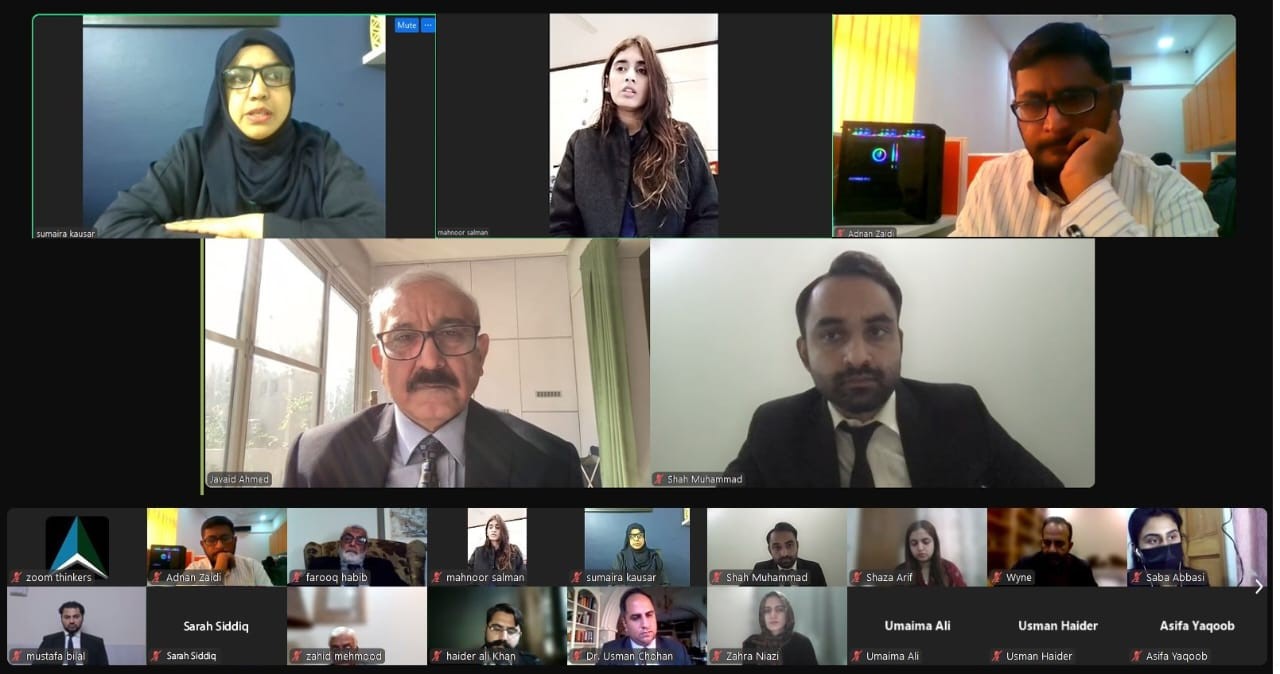
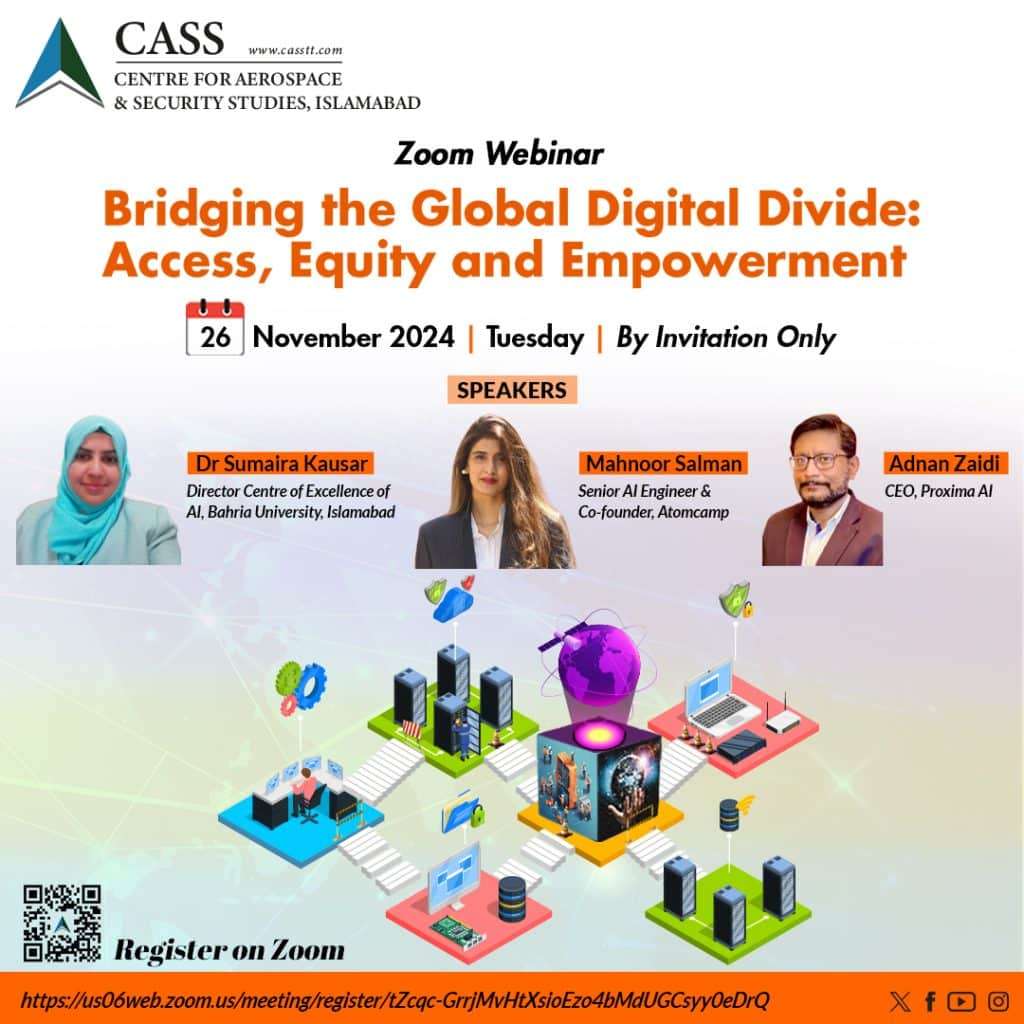
This calls for an in-depth analysis of the global digital divide, including the structural and institutional factors at play. Furthermore, it is essential to explore actionable strategies to bridge these disparities and foster an inclusive digital future that empowers low-income countries without deepening dependency. In this regard, CASS is organising a roundtable to examine empirical and theoretical contours of the global digital divide. By highlighting structural and socioeconomic hurdles, the session aims to effectively contribute to the constructive discourse on bridging this digital divide. In light of the emerging global dynamics, subject experts will offer their insights and actionable measures that may be imperative for heralding an equitable and fair digital world. The key objectives of the roundtable are outlined below:
- Analyse the disparities in internet connectivity, high-tech advancements and digital infrastructure across developed and developing nations.
- Examine the impact of technologies such as Artificial Intelligence, robotics, and cloud computing in either exacerbating or addressing the global digital divide.
- Critically evaluate the competing models of digital economic development by China and Western countries, with a focus on issues like data sovereignty, data grabbing and localisation.
- Discuss the role of digital literacy, Research and Development (R&D), and entrepreneurship in equipping future generations for the evolving digital landscape.
- Facilitate dialogue on the creation of inclusive measures and regulatory frameworks to promote affordability, fair competition and accessibility in digital markets.
Press Release
News Coverage




Newspaper Links