Share this event

Facebook
Twitter
LinkedIn

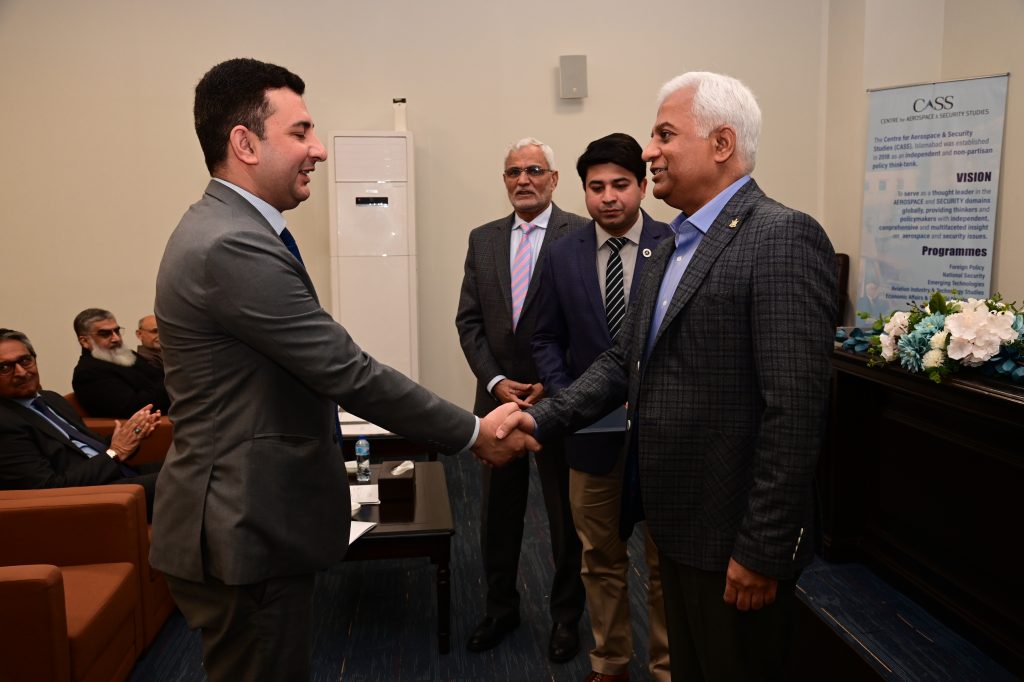
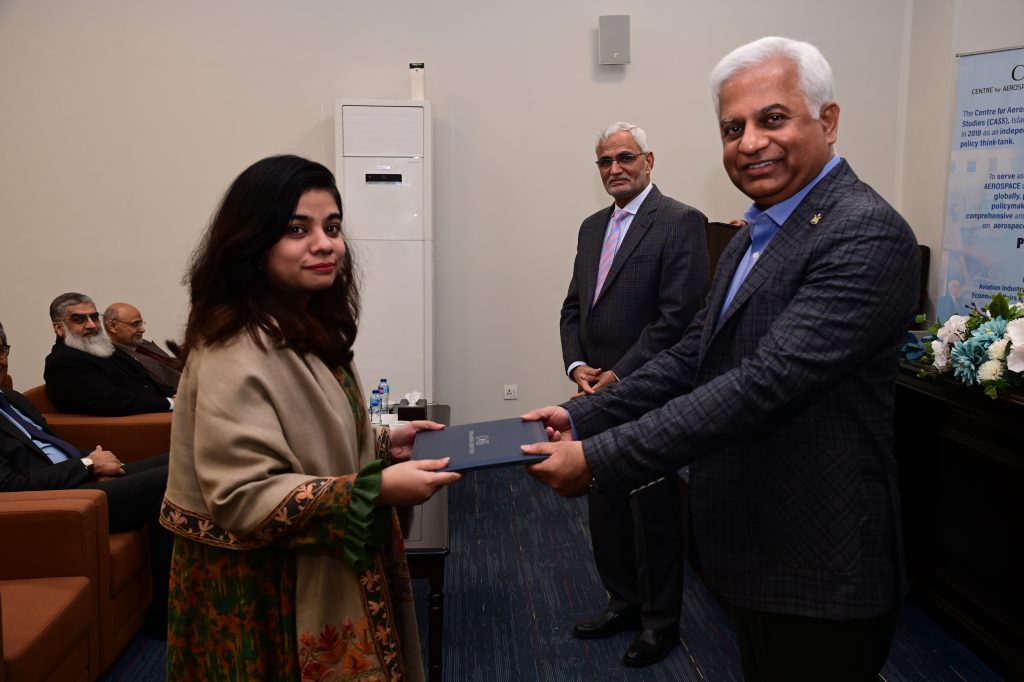
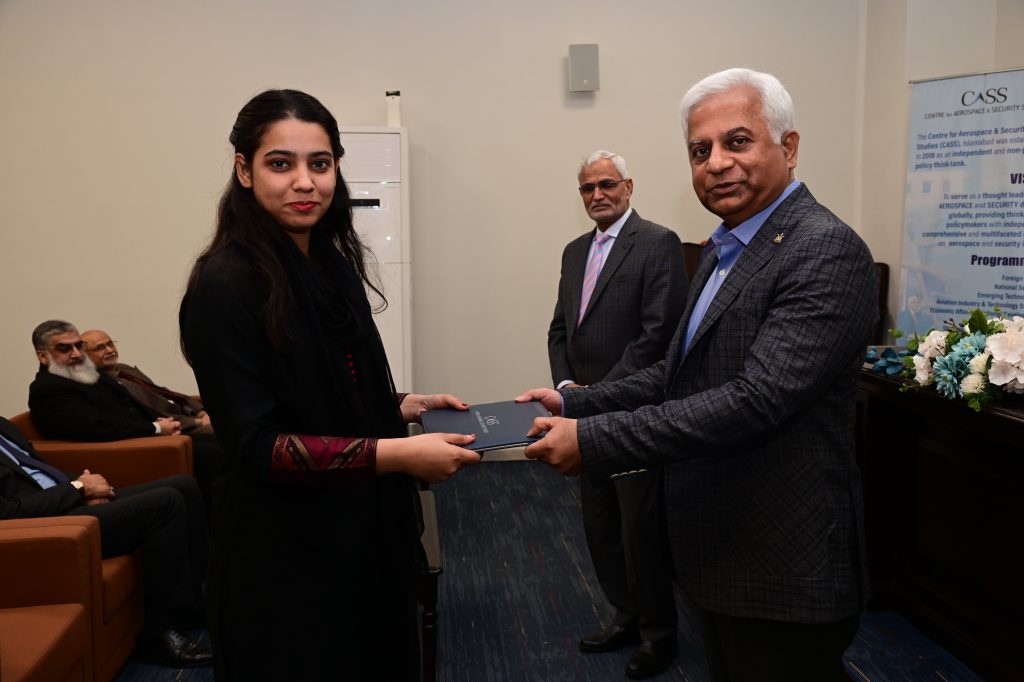
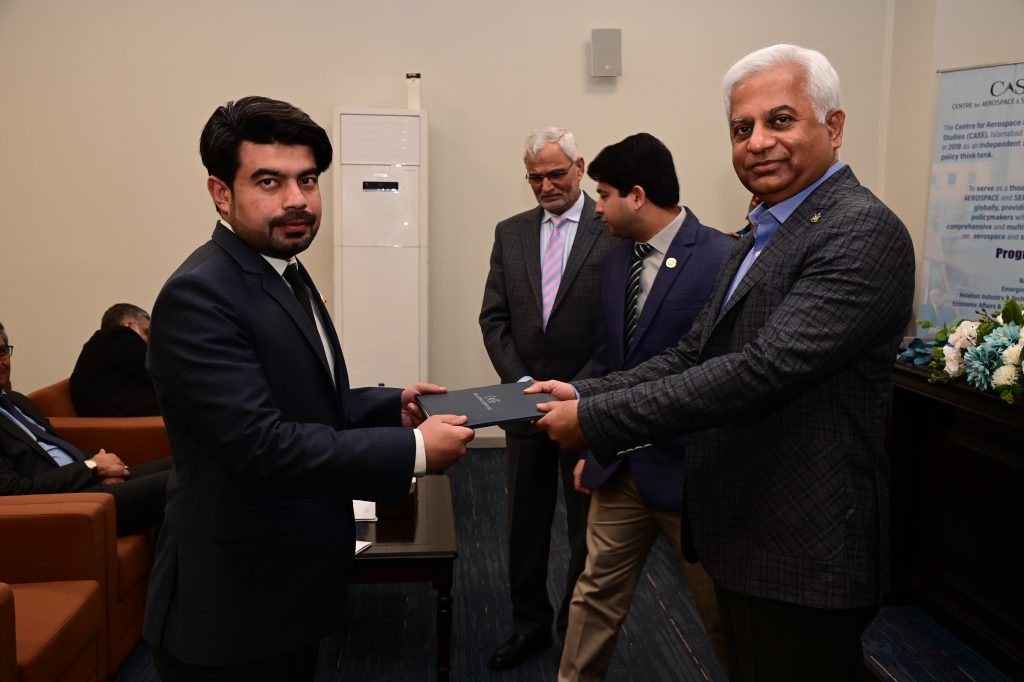
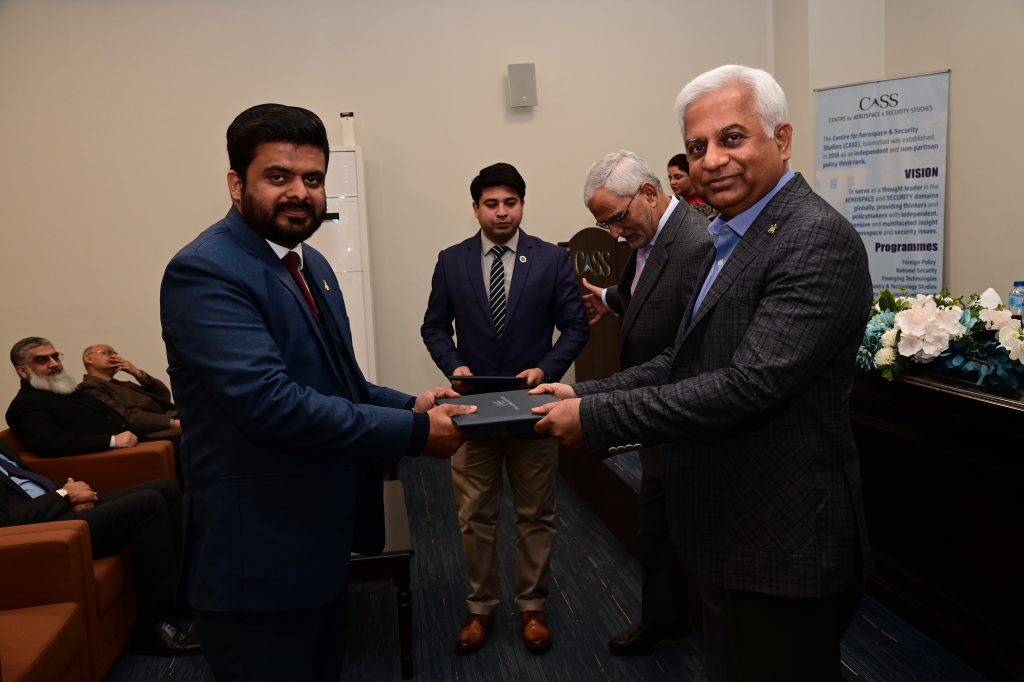
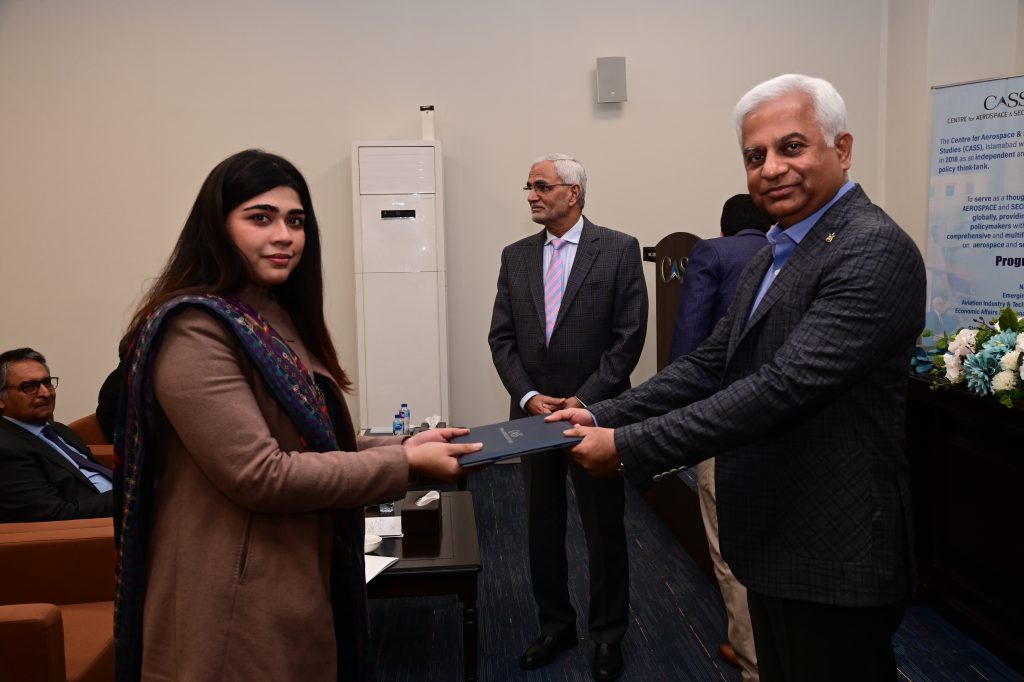
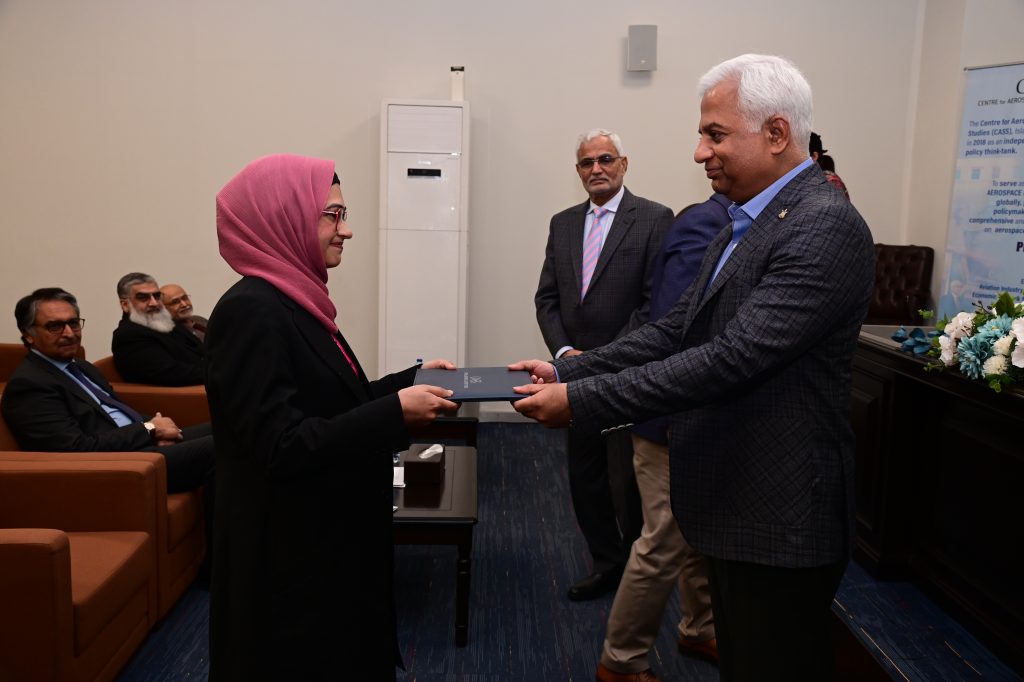
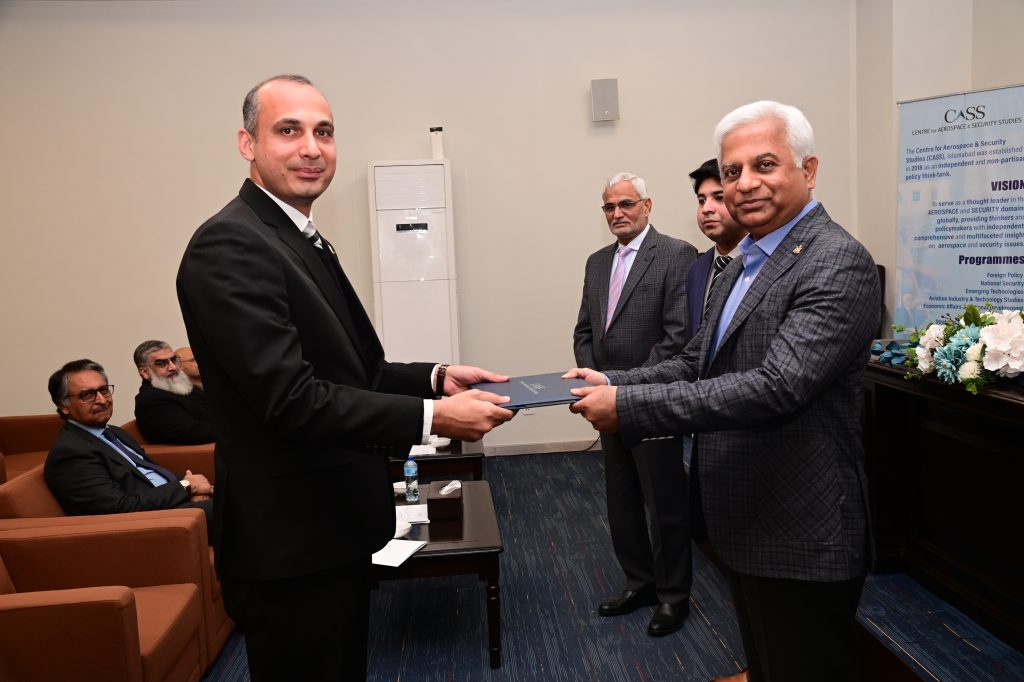
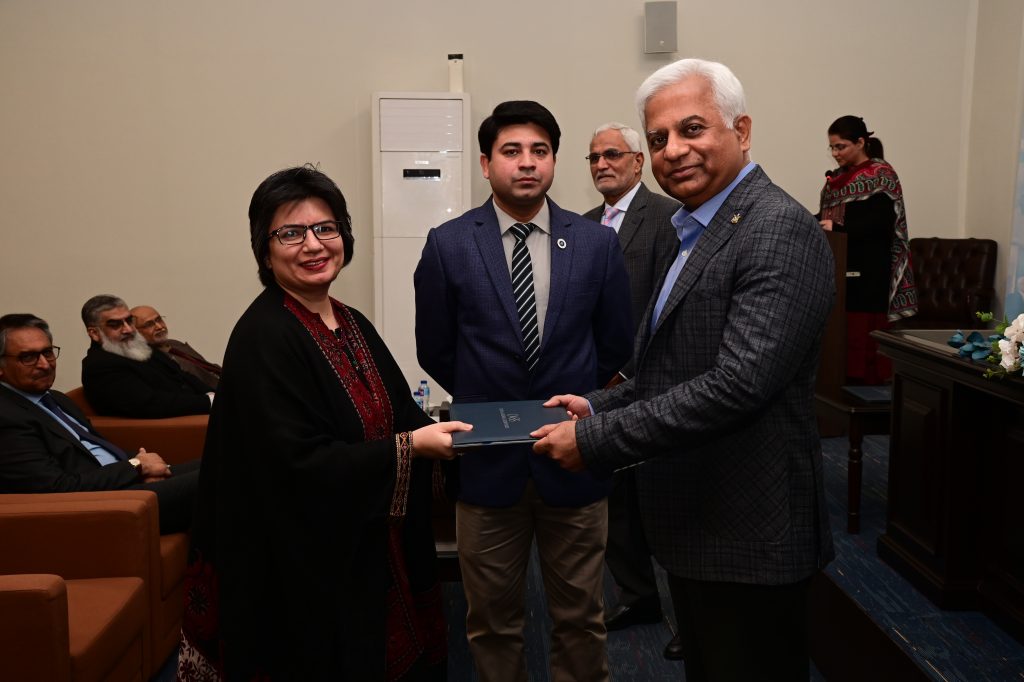
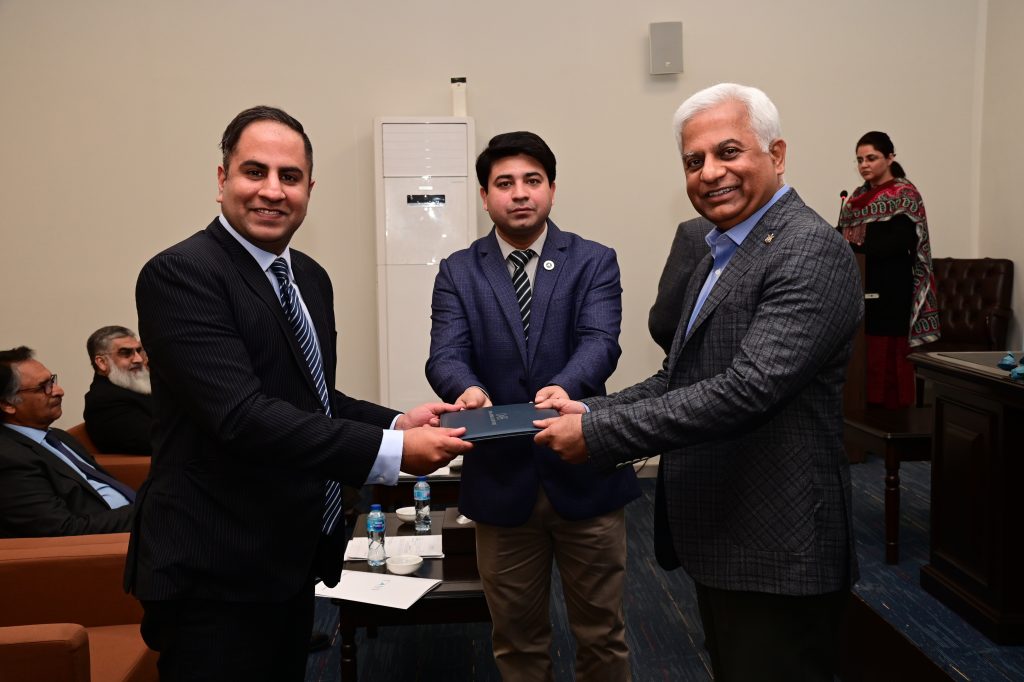
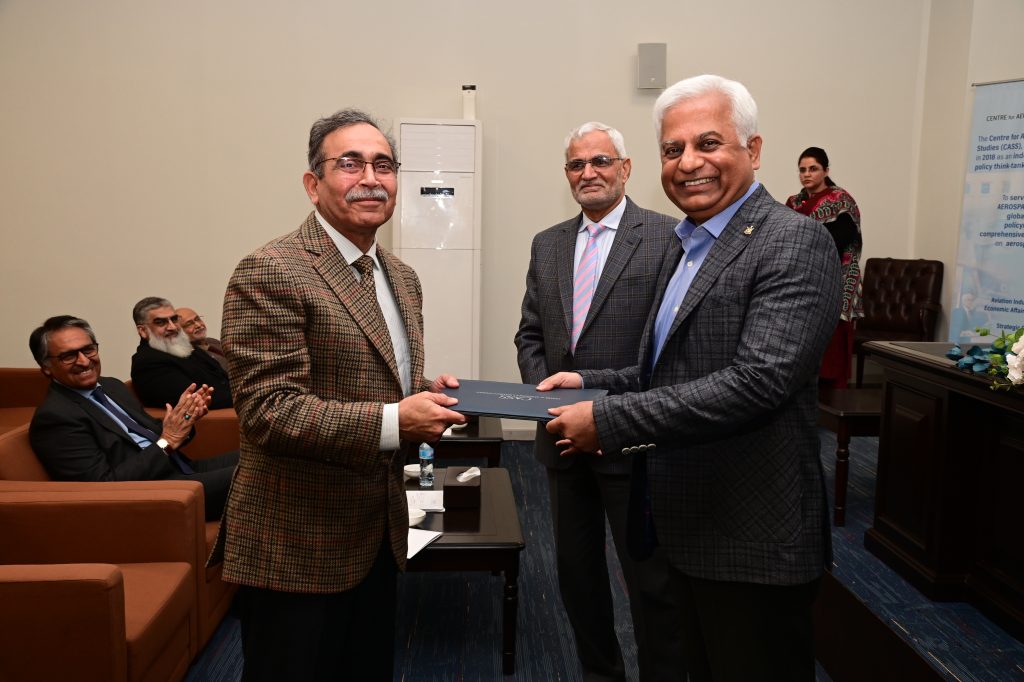
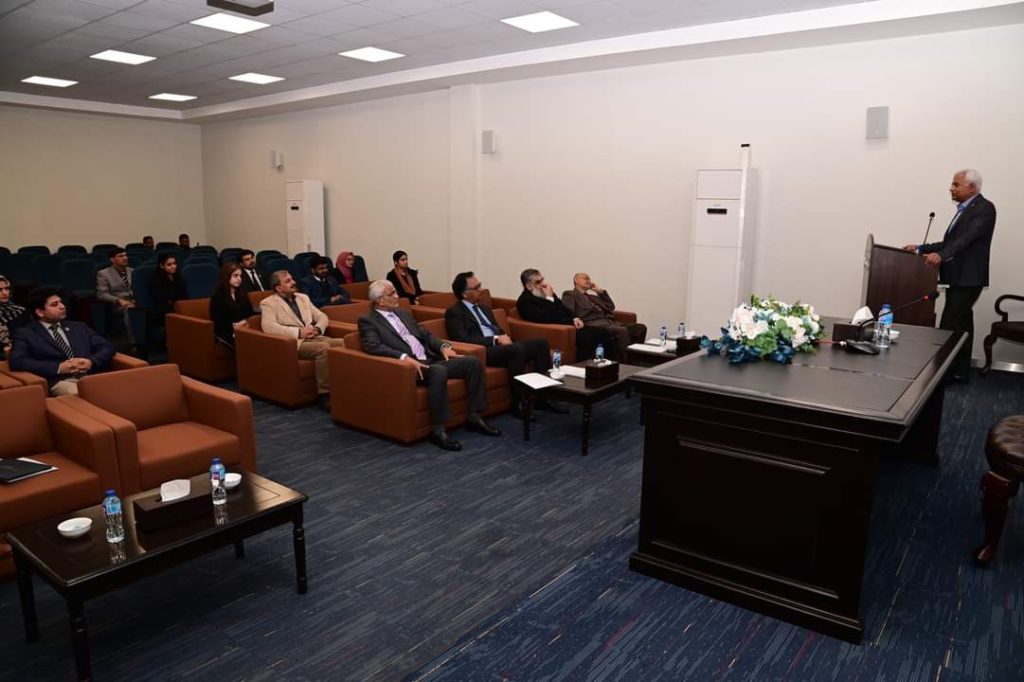
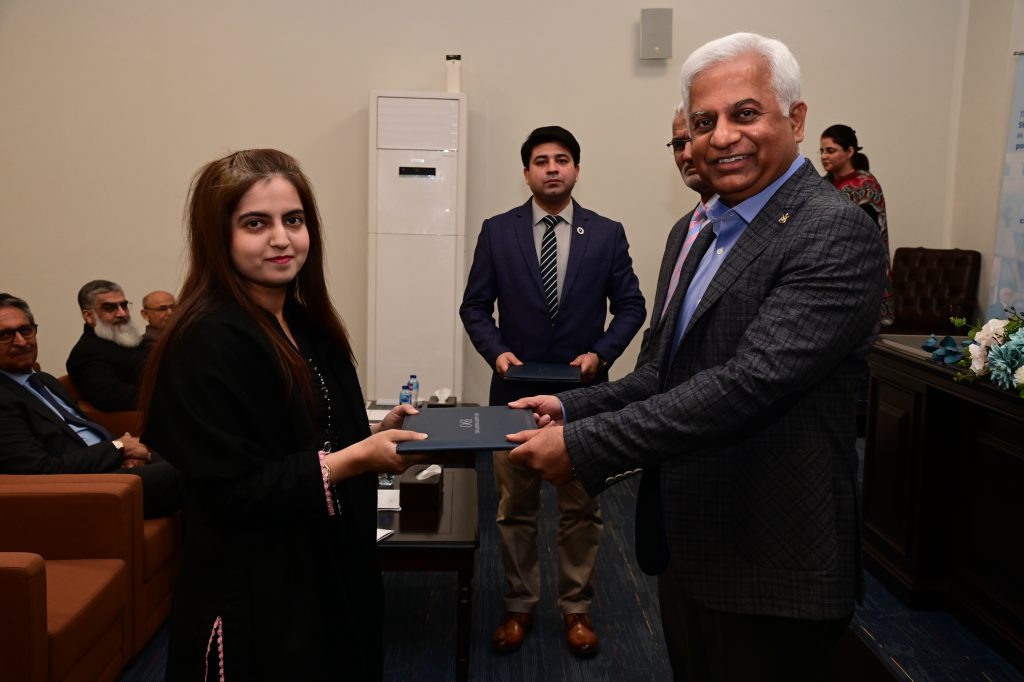
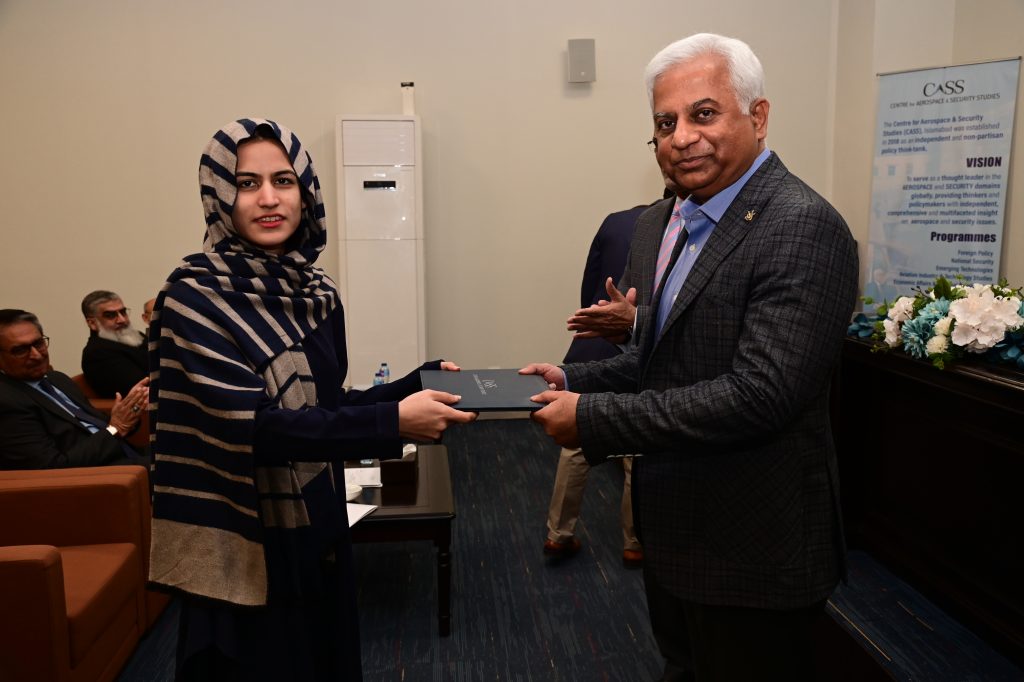
Work can never be fun & motivating unless there is appreciation & fair reward. CASS proud to host a Certificate Award Ceremony to appreciate: 

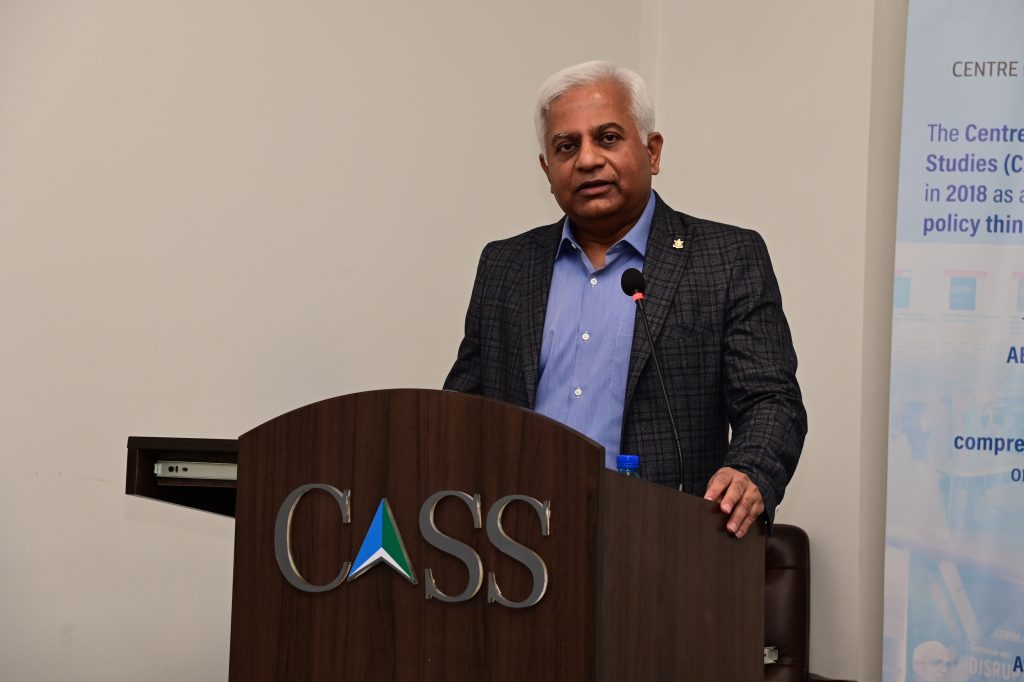
  • Best Intellectual Contribution: Dr Usman W. Chohan
  • Outstanding Performance in GSTAR2022 & in the year 2022: Sarah Siddiq Aneel
  • Best Research Assistants (2022): Shaza Arif & Zahra Niazi

GSTAR 2022 Awards:

  • Outstanding Organisation : Air Marshal Ashfaque Arain (Retd)
  • Committed Team Member: Asad Ullah Khan
  • Participation as Master of Ceremony: Shaza Arif, Etfa K Mirza, Khansa Qureshi & Amna Tauhidi
  • Participation: Hira Mumtaz, Haris Bilal Malik, Moiz Khan & Zuhaib Anwar

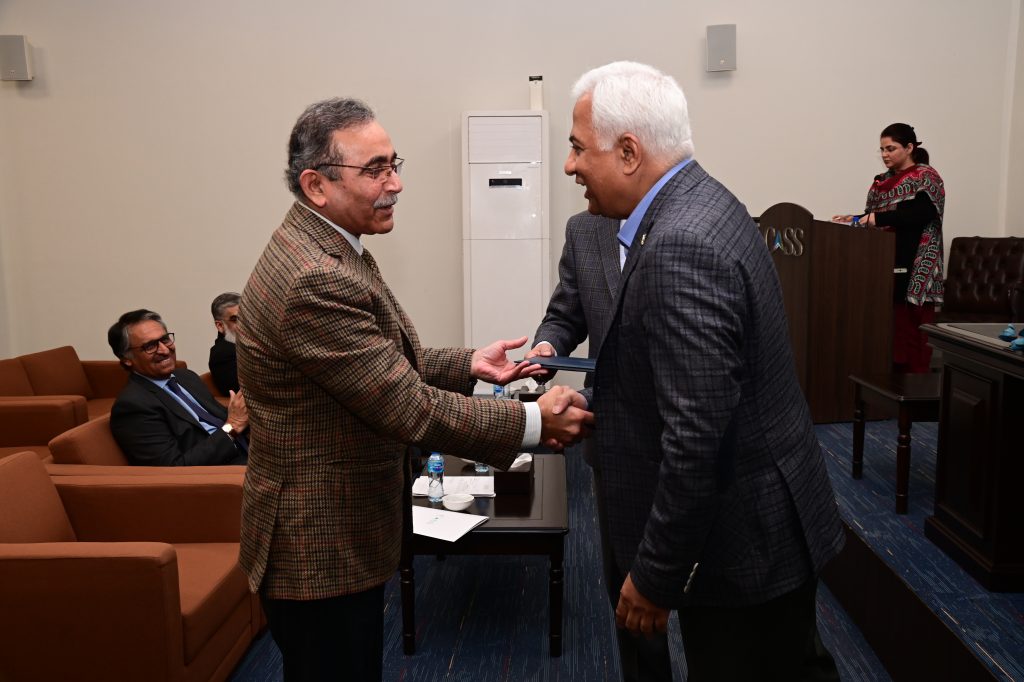
The certificates were distributed by Guest of Honour Air Marshal Zulfiquar Ahmed Qureshi, HI(M), Deputy Chief of Air Staff (Training), PAF.
Other Events

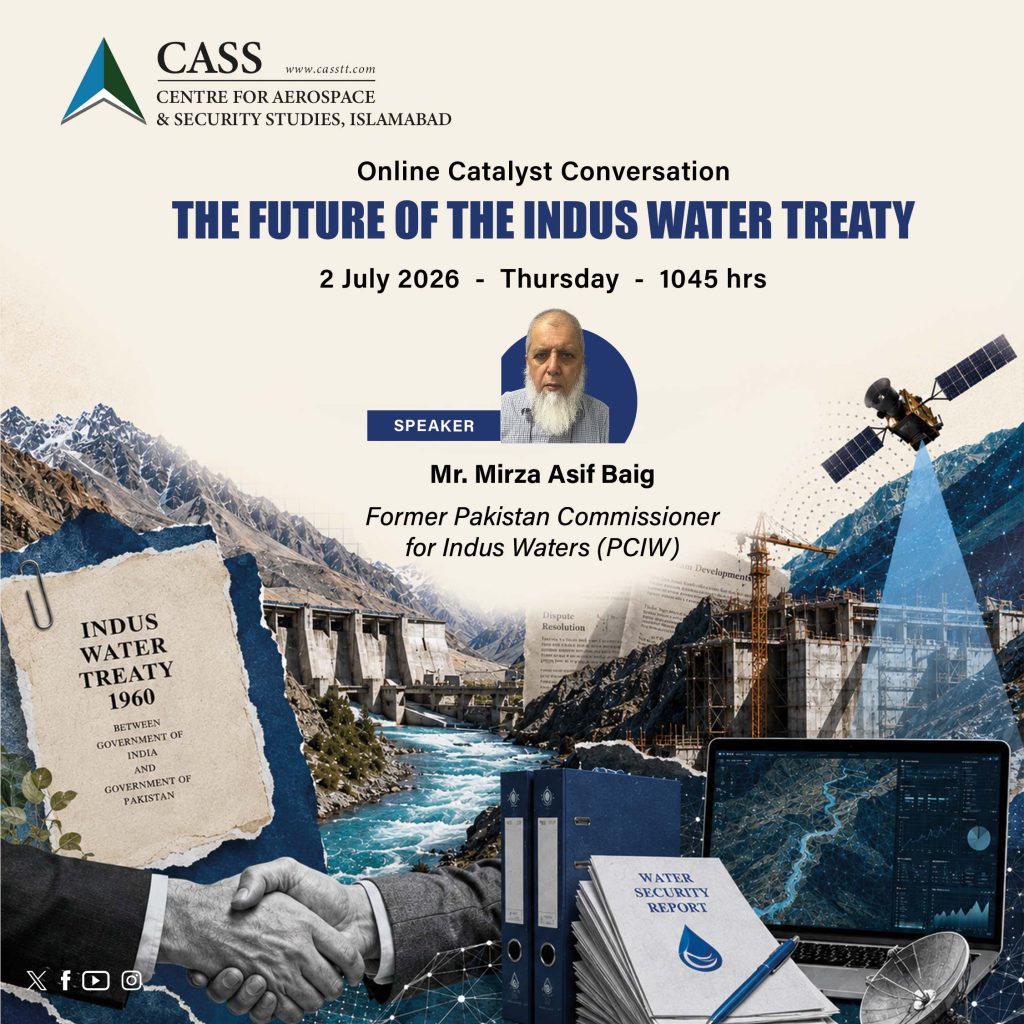
ONLINE CATALYST CONVERSATION THE FUTURE OF THE INDUS WATER TREATY

For more than six decades, the Indus Water Treaty (IWT), signed in 1960 between Pakistan and India, remained as one of the most enduring transboundary water-sharing agreements in the world. Despite multiple wars, political crises, and prolonged periods of bilateral hostility, the treaty largely continued to govern the allocation and management of the waters of the Indus BasinFor more than six decades, the Indus Water Treaty (IWT), signed in 1960 between Pakistan and India, remained as one of the most enduring transboundary water-sharing agreements in the world. Despite multiple wars, political crises, and prolonged periods of bilateral hostility, the treaty largely continued to govern the allocation and management of the waters of the Indus Basin

Read More »

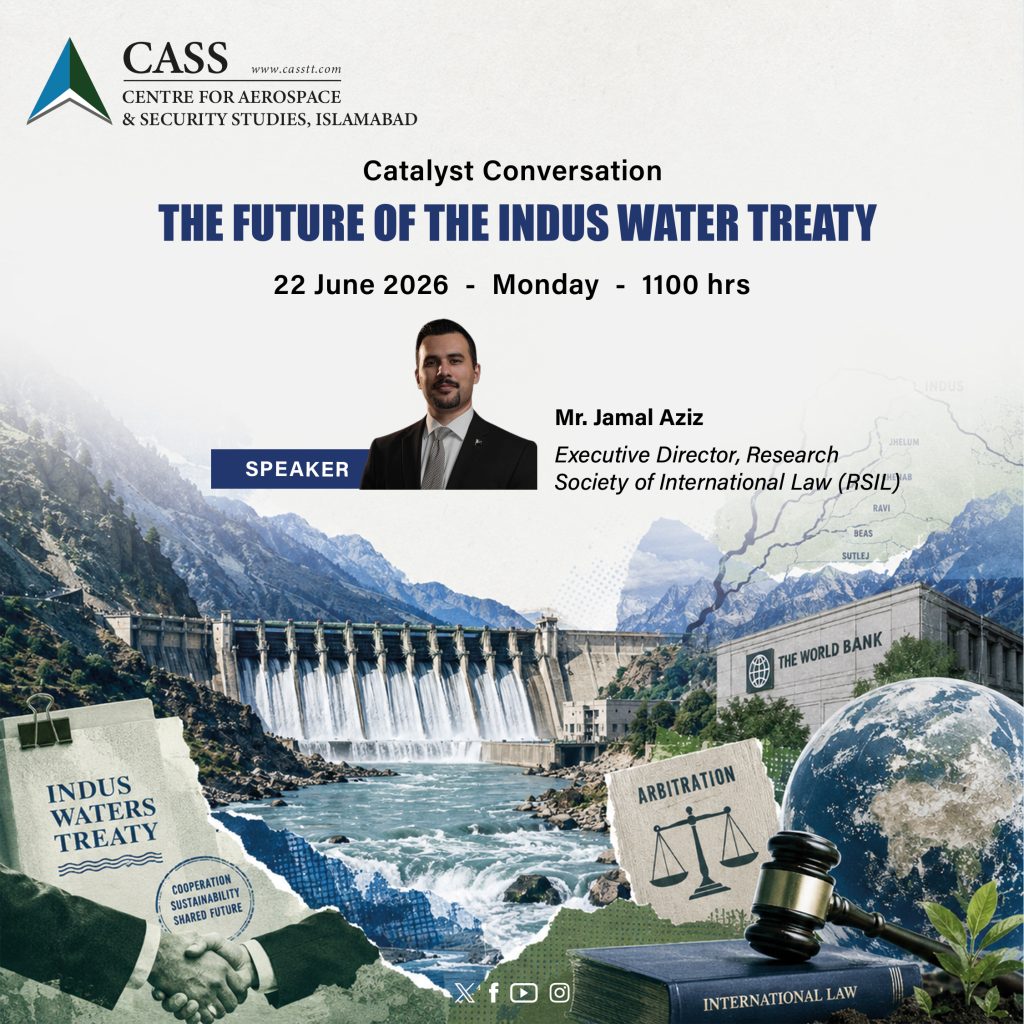
THE FUTURE OF THE INDUS WATER TREATY

For more than six decades, the Indus Water Treaty (IWT), signed in 1960 between Pakistan and India, remained as one of the most enduring transboundary water-sharing agreements in the world. Despite multiple wars, political crises, and prolonged periods of bilateral hostility, the treaty largely continued to govern the allocation and management of the waters of the Indus Basin

Read More »

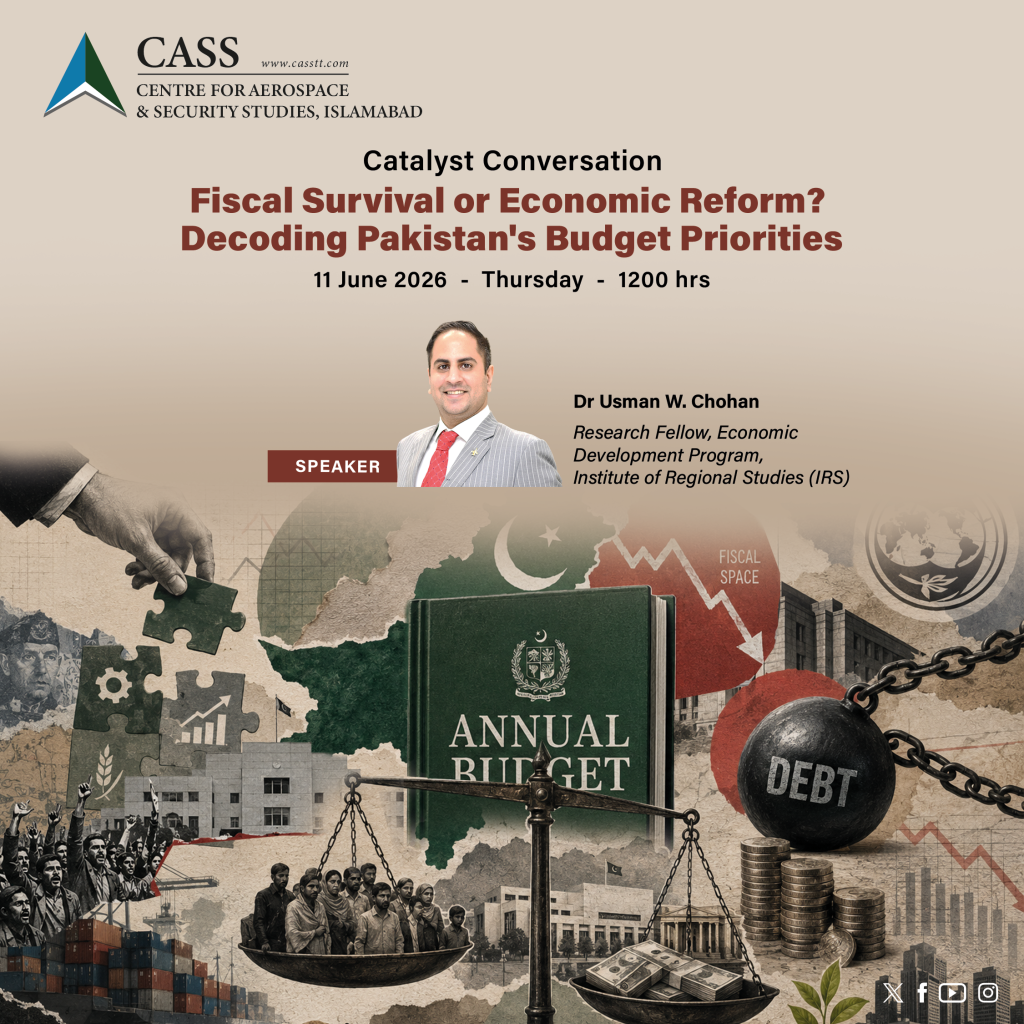
Fiscal Survival or Economic Reform? Decoding Pakistan’s Budget Priorities

Pakistan’s annual budget is more than a fiscal document; it is a reflection of the country’s structural economic constraints, political choices, and shifting development priorities. The tension between fiscal survival and meaningful economic reform has become increasingly pronounced amid rising debt servicing obligations, limited fiscal space, and recurring dependence on external financing. In this context, budget-making often appears reactive—focused on stabilisation and compliance with short-term macroeconomic targets—rather than transformative, aimed at broad-based productivity, institutional reform, and sustainable growth.

Read More »