
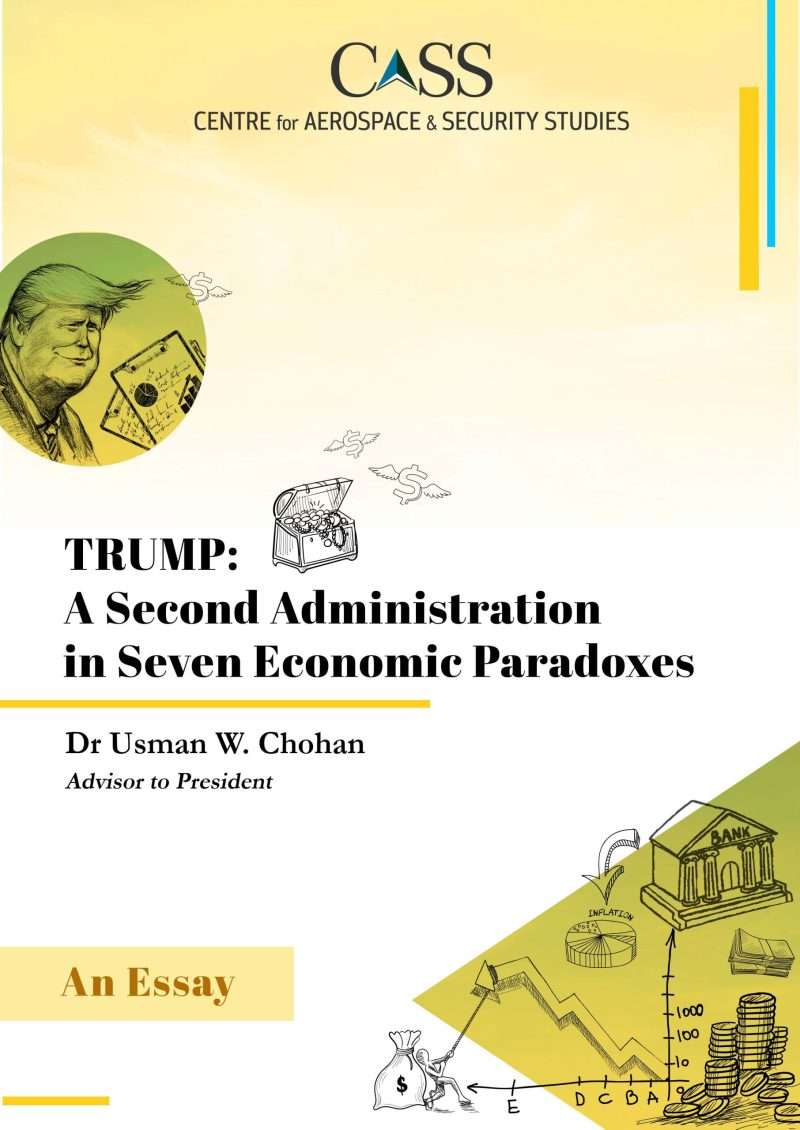
The aim of this essay is to shed light on the economic and political implications of a second administration under Donald Trump, by exploring seven key paradoxes that may characterise his approach to complex socioeconomic, sociopolitical, and geoeconomic decisions. In highlighting these paradoxes, the essay aims to emphasise the paradoxical modes of governance and conflicting ambitions that the Trump administration will wrest with based on the multiplicity of its stated objectives. In particular, Trump’s blend of populism, protectionism, and nationalism will manifest in policies that may work at cross-purposes, because they emanate from disparate ideological sources and interest groups: the nativism of Project 2025, the disenchantment and rebellion of the downtrodden, the pragmatism of the corporatocracy, the protectionism of working class voters, the recidivism of male voters, and the technofeudalism of big tech. The paradoxes that emerge from such a mish-mash will nevertheless reshape both American as well as global economics, politics, and society, which is why this essay may serve an equally prescient purpose for those that did vote for him as did not, and for those who can vote in US elections as those that cannot. There are seven paradoxes that warrant examination in this essay and will be addressed in the following sequence. First, the essay will consider the paradox of restricting both legal and illegal immigration with the promise of driving innovation and economic competitiveness. Second, the essay will address Trump’s ambition to sustain dollar hegemony while simultaneously reducing America’s trade deficit, a paradox that will likely accelerate dedollarisation efforts globally. Third, it will explore Trump’s desire to project America’s global economic leadership without the traditional largesse extended to allies, a shift likely to provoke new geopolitical realignments as the cost-benefit equation of following along with America becomes increasingly disfavourable for other nations. Fourth, the essay will examine the paradox articulated by Project 2025 of expanding the American population without a corresponding investment in human capital (‘growing numbers, shrinking futures’) —a dynamic that would product more Americans but worse ones. Fifth, the essay will discuss the paradox of strengthening family structures under Project 2025 while simultaneously imposing restrictive policies that may erode personal autonomy and increase domestic stressors, tighter family units that are tightened by force. Sixth, the essay will explore Trump’s efforts to ease economic hardship through protectionist policies (sweeping tariff measures raising import costs in an import-dependent country, and tougher migration policies raising labor costs), which could paradoxically worsen rather than ease conditions for consumers. Finally, and seventh, the essay will examine Trump’s reliance on scapegoating societal groups, a strategy that may foster divisions rather than address underlying economic issues, and on the need for problems to exist in order to appear as the ‘fixer,’ this giving the semblance of fixing problems than actually solving them. Each section will analyse these paradoxes in terms of their potential impact on either economic growth/stability, social cohesion, and America’s global standing; which is to say: economics, society, and both domestic and international politics. The essay concludes by reflecting on the broader consequences of these paradoxes, noting that they reflect a nation that is at odds with itself, and that the resolution of the paradoxes may not occur in ways advantageous to America’s long-term interests.
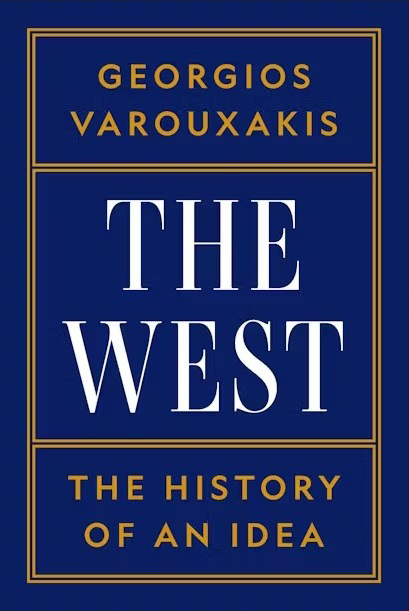
The West: The History of an Idea
The world is witnessing the collapse of the Western order, if not the emergence of an alternative one. The idea of ‘West’ as against the rest is still at the root of contemporary understanding of world politics. Georgios Varouxakis, a remarkable voice on Modernity and Nationalism, has provided the historical origins and modern connotations attached with the idea of ‘West’. In his book ‘The West: The History of an Idea’, Varouxakis has argued that the West is not an eternal entity, rather it is a modern socio-political construct that emerged in the political philosophy of the early 19th century and evolved with the passage of time. The book provides an in-depth historical analysis of the idea to determine the roots of its modern interpretation.
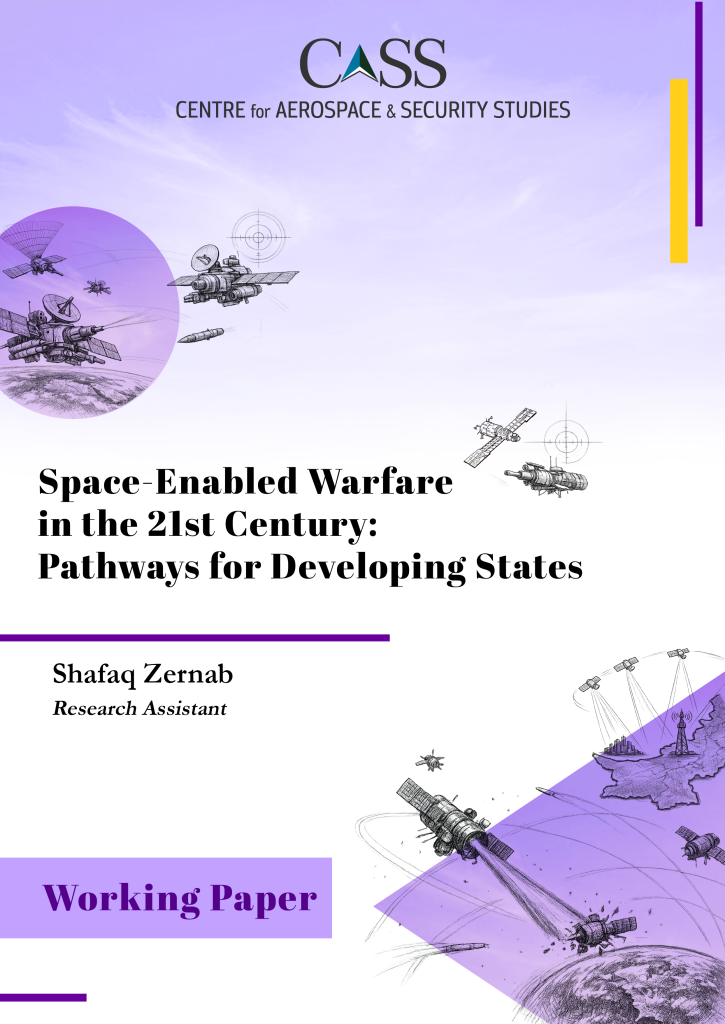
Space-Enabled Warfare in the 21st Century: Pathways for Developing States
Space has emerged as a distinct domain of warfare alongside land, sea, air, and cyber. Developed countries like the United States, Russia, and China possess offensive and support capabilities in space. In the shadowed expanse of Low Earth Orbit (LEO), where satellites operate like silent custodians, the 2022 Russian invasion of Ukraine transformed the nature of modern conflict. As Russian troops marched forward, the commercial satellites like Maxar and Planet, which are operated by Western firms, captured high-resolution imagery of Russian troops, providing real-time intelligence to Ukrainian commanders, unlike ever before.
