
Air defence has always been a critical aspect of airpower. Modern technologies have led to multi-pronged challenges for air defence systems (ADS). In this context, saturation warfare, characterised by the mass deployment of aerial assets, has a notable significance. It marks an important shift in the protection of airspace. The paper discusses saturation warfare and the corresponding vulnerabilities of existing ADS. The research is qualitative and uses a case-study method. By shedding light on three recent cases: Hamas’ attack on Israel, Iran’s attack on Israel and Russia’s attack on Ukraine, the paper aims to study the effectiveness of contemporary ADS and their potential impact on future security dynamics. The case studies reveal increasing vulnerability to ADS, which requires a coordinated response to mitigate the existing challenges. Building upon the case studies and air defence mechanisms, the paper highlights notable trends in air defence. Recent trends suggest that states must remain cognisant of the vulnerabilities of air defence systems. Hence, effective defence measures should be employed by states against potential saturation attacks in the future. On the regional front, the paper examines the case of South Asia, with a focus on India and Pakistan. The paper concludes with policy recommendations for states and militaries regarding strengthening existing air defence.
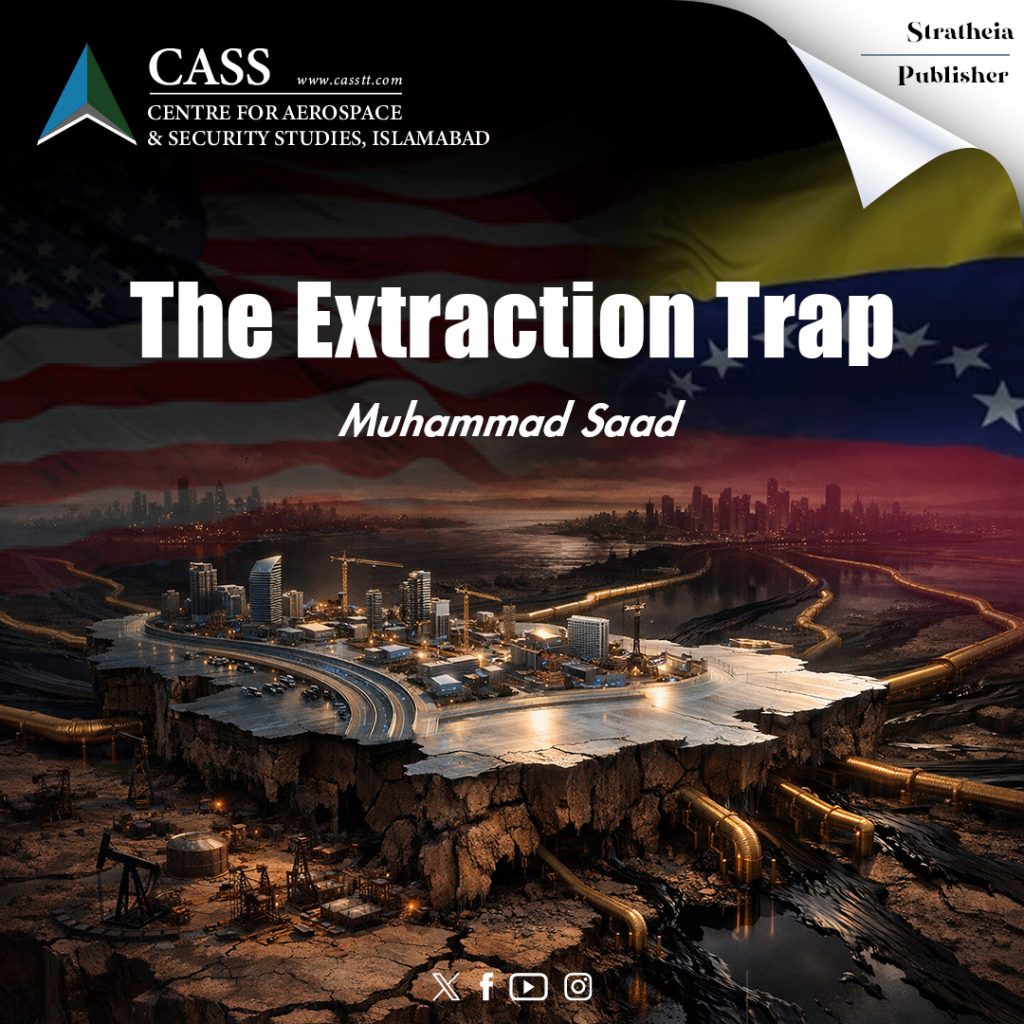
The Extraction Trap
Trump’s declaration to “run Venezuela” after Maduro’s capture is a seeming promise of a sudden cure to Venezuela’s ills. However, it ignores the nation’s terminal diagnosis of a century of plunder. The rhetoric of imminent revival on the basis of the speedy return of international oil capital and the promise of 100 billion US dollars in reconstruction funds made the intervention seem like a unique opportunity.
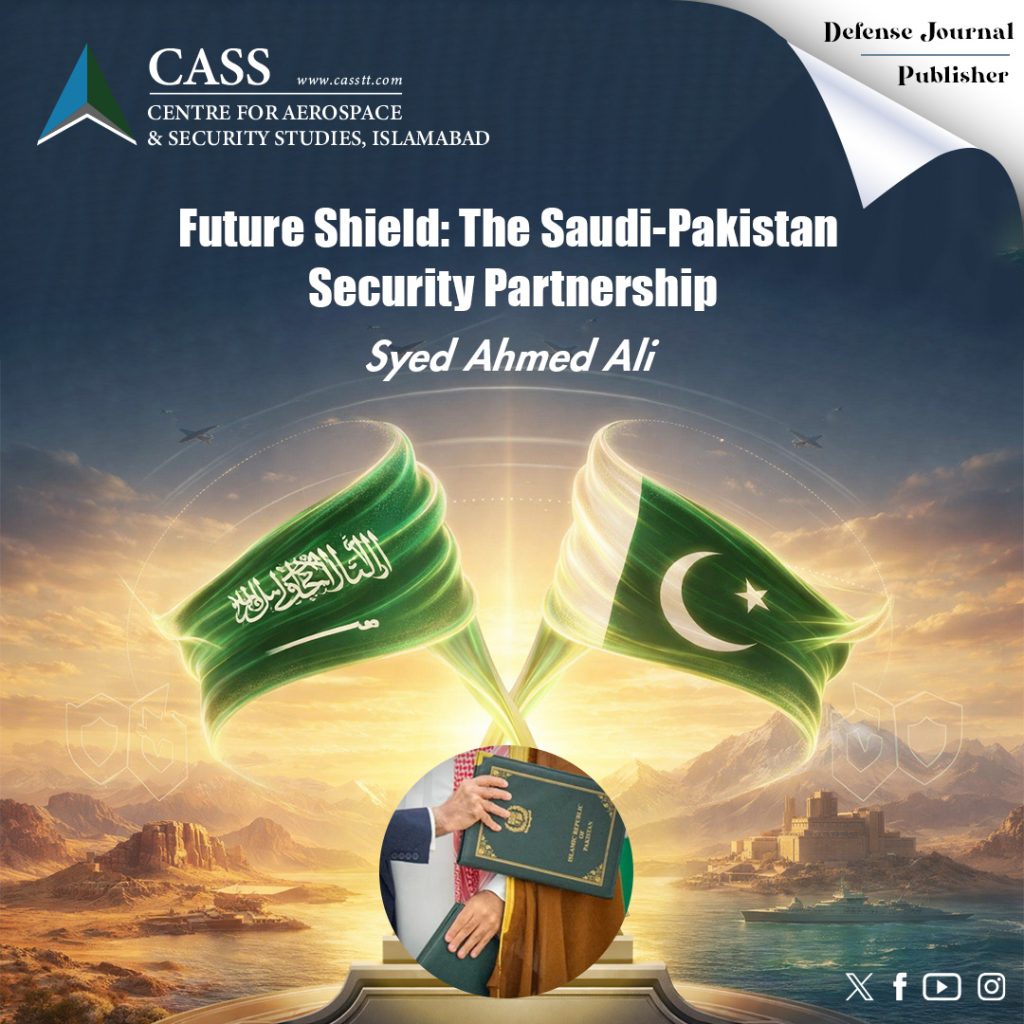
Future Shield: The Saudi-Pakistan Security Partnership
Although the SDMA does not identify an adversary, effectively functioning as a deterrent, it cannot be viewed in isolation from the Israeli belligerence in the Middle East. Israel’s war against Hamas has expanded beyond the genocide of Gaza; it has bombed the West Bank, Lebanon, Syria, Yemen, Iran, and recently Qatar. Tel Aviv’s campaign under the banners of ‘anti-Semitism’ and ‘terrorism’ has engulfed the whole Middle East in a war-like situation, which has generated new enemies and has deepened the instability of the region.
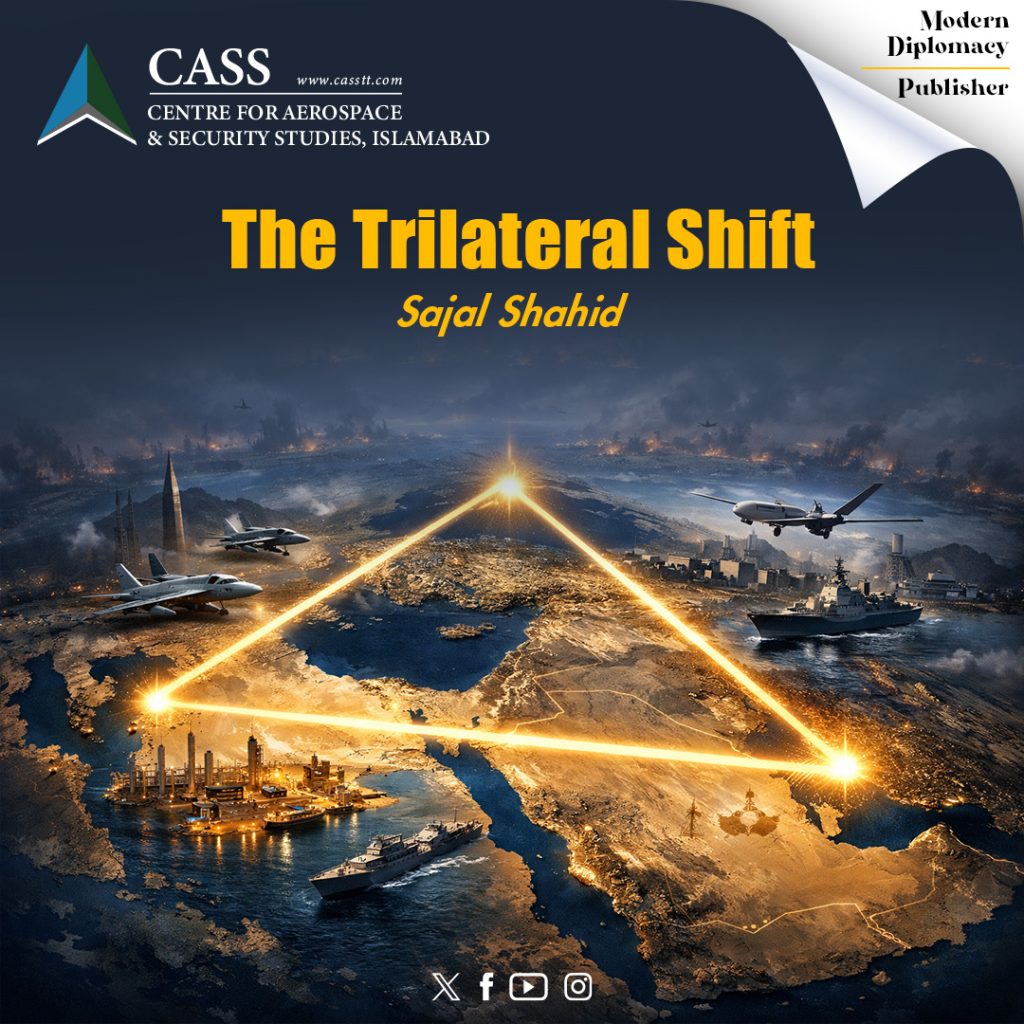
The Trilateral Shift
On 15 January 2026, the Pakistani defence production minister confirmed that an agreement for a new trilateral defence deal between Pakistan, Saudi Arabia, and Türkiye is in the pipeline, other than the Pakistan-Saudi bilateral deal announced last year.
