
Advancements in space militarisation have revolutionised traditional models of deterrence. Contemporary deterrence strategies are increasingly shaped by the growing dependence on space-based systems, which are now operationally embedded across all domains of modern warfare. This study employs the lens of classical deterrence theory to explore how space militarisation influences deterrence models, with particular emphasis on the roles of offensive, defensive, and extended deterrence. Using a qualitative methodology, the paper undertakes an examination of foundational military space technologies and their interoperability with complementary capabilities, highlighting how these systems contribute to both stability and instability within deterrence dynamics. Findings suggest that advanced space systems can reinforce deterrence by enhancing surveillance, early warning, and pre-emptive defensive capabilities. However, they may also erode deterrence by increasing vulnerabilities, especially through heightened exposure of critical satellite systems to counter-space threats, thereby risking the degradation of strategic communication and timely retaliatory options. The study further analyses the strategic gains and risks associated with the proliferation of military space assets. Based on the insights, this study argues for transforming the existing informal international norms on the prevention of space militarisation into a binding legal framework, with particular focus on adopting the PAROS initiative and establishing a dedicated mechanism to govern the militarisation of outer space. This research contributes to the evolving debate on space security by offering a focused assessment of space technological advancements and their implications for deterrence paradigms.
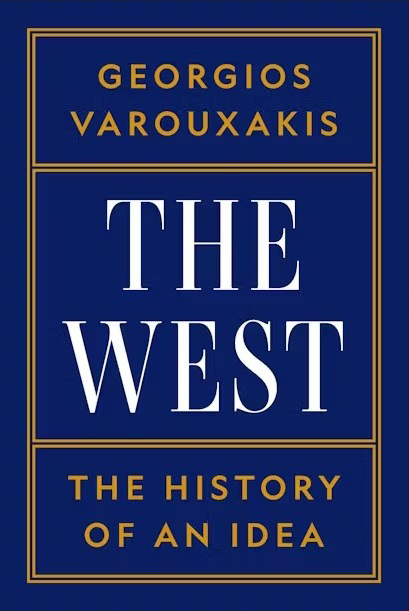
The West: The History of an Idea
The world is witnessing the collapse of the Western order, if not the emergence of an alternative one. The idea of ‘West’ as against the rest is still at the root of contemporary understanding of world politics. Georgios Varouxakis, a remarkable voice on Modernity and Nationalism, has provided the historical origins and modern connotations attached with the idea of ‘West’. In his book ‘The West: The History of an Idea’, Varouxakis has argued that the West is not an eternal entity, rather it is a modern socio-political construct that emerged in the political philosophy of the early 19th century and evolved with the passage of time. The book provides an in-depth historical analysis of the idea to determine the roots of its modern interpretation.
Space-Enabled Warfare in the 21st Century: Pathways for Developing States
Space has emerged as a distinct domain of warfare alongside land, sea, air, and cyber. Developed countries like the United States, Russia, and China possess offensive and support capabilities in space. In the shadowed expanse of Low Earth Orbit (LEO), where satellites operate like silent custodians, the 2022 Russian invasion of Ukraine transformed the nature of modern conflict. As Russian troops marched forward, the commercial satellites like Maxar and Planet, which are operated by Western firms, captured high-resolution imagery of Russian troops, providing real-time intelligence to Ukrainian commanders, unlike ever before.
