
Advancements in space militarisation have revolutionised traditional models of deterrence. Contemporary deterrence strategies are increasingly shaped by the growing dependence on space-based systems, which are now operationally embedded across all domains of modern warfare. This study employs the lens of classical deterrence theory to explore how space militarisation influences deterrence models, with particular emphasis on the roles of offensive, defensive, and extended deterrence. Using a qualitative methodology, the paper undertakes an examination of foundational military space technologies and their interoperability with complementary capabilities, highlighting how these systems contribute to both stability and instability within deterrence dynamics. Findings suggest that advanced space systems can reinforce deterrence by enhancing surveillance, early warning, and pre-emptive defensive capabilities. However, they may also erode deterrence by increasing vulnerabilities, especially through heightened exposure of critical satellite systems to counter-space threats, thereby risking the degradation of strategic communication and timely retaliatory options. The study further analyses the strategic gains and risks associated with the proliferation of military space assets. Based on the insights, this study argues for transforming the existing informal international norms on the prevention of space militarisation into a binding legal framework, with particular focus on adopting the PAROS initiative and establishing a dedicated mechanism to govern the militarisation of outer space. This research contributes to the evolving debate on space security by offering a focused assessment of space technological advancements and their implications for deterrence paradigms.
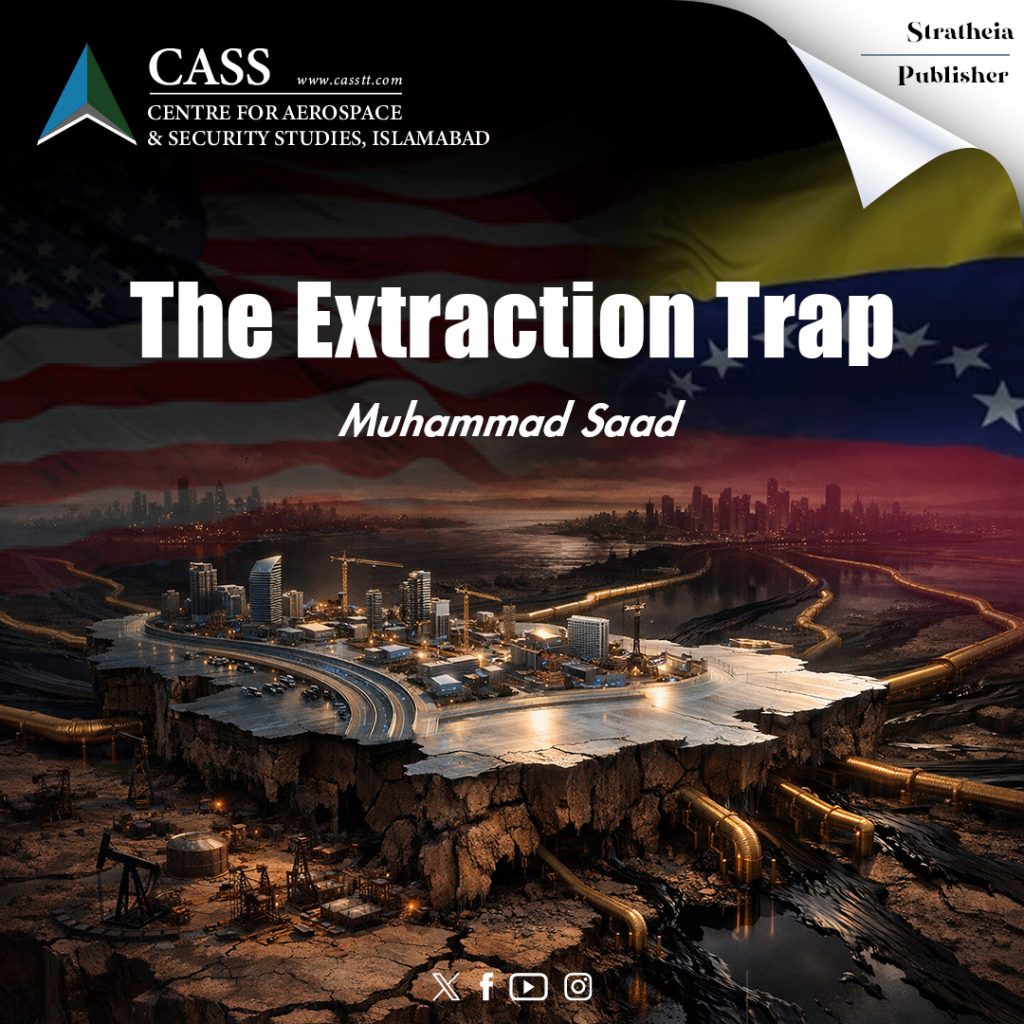
The Extraction Trap
Trump’s declaration to “run Venezuela” after Maduro’s capture is a seeming promise of a sudden cure to Venezuela’s ills. However, it ignores the nation’s terminal diagnosis of a century of plunder. The rhetoric of imminent revival on the basis of the speedy return of international oil capital and the promise of 100 billion US dollars in reconstruction funds made the intervention seem like a unique opportunity.

Future Shield: The Saudi-Pakistan Security Partnership
Although the SDMA does not identify an adversary, effectively functioning as a deterrent, it cannot be viewed in isolation from the Israeli belligerence in the Middle East. Israel’s war against Hamas has expanded beyond the genocide of Gaza; it has bombed the West Bank, Lebanon, Syria, Yemen, Iran, and recently Qatar. Tel Aviv’s campaign under the banners of ‘anti-Semitism’ and ‘terrorism’ has engulfed the whole Middle East in a war-like situation, which has generated new enemies and has deepened the instability of the region.
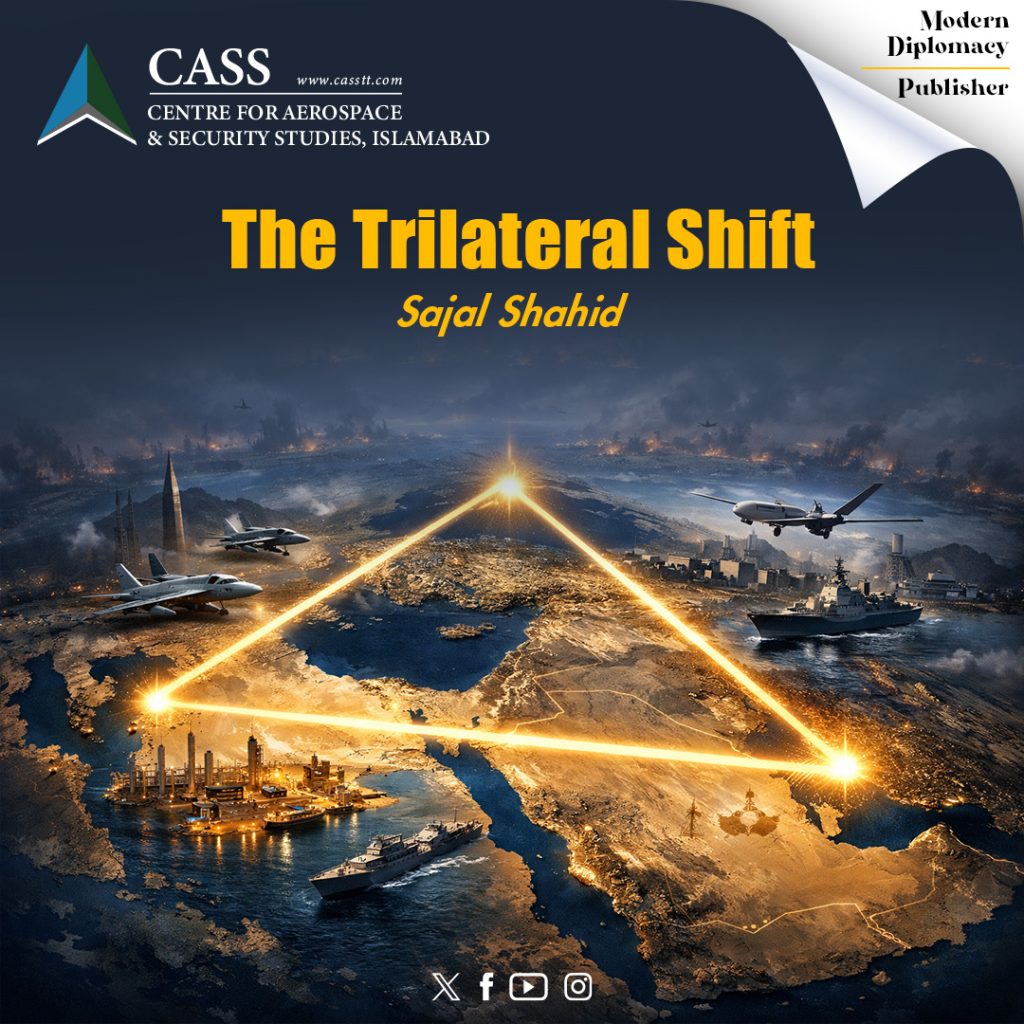
The Trilateral Shift
On 15 January 2026, the Pakistani defence production minister confirmed that an agreement for a new trilateral defence deal between Pakistan, Saudi Arabia, and Türkiye is in the pipeline, other than the Pakistan-Saudi bilateral deal announced last year.
