
This study critically evaluates NASA’s Public-Private Partnerships (PPPs) with commercial space firms, applying a principal-agent framework to assess their national security implications and briefly contrasting these with the European Space Agency’s (ESA) partnership model. Drawing on case analyses, the paper identifies core vulnerabilities like cyber dependencies; regulatory gaps; and supplier concentration risk with a discussion on NASA’s risk mitigation framework. Despite documented gains in technological innovation and cost reduction, the study finds that PPPs can undermine strategic oversight and introduce systemic risk to mission‑critical infrastructure. The analysis demonstrates how information asymmetries and agency drift could compromise US national security objectives. By refining oversight mechanisms, regulatory coordination, and drawing on lessons from other models, the US space programme may be able to sustain innovation while safeguarding national security.
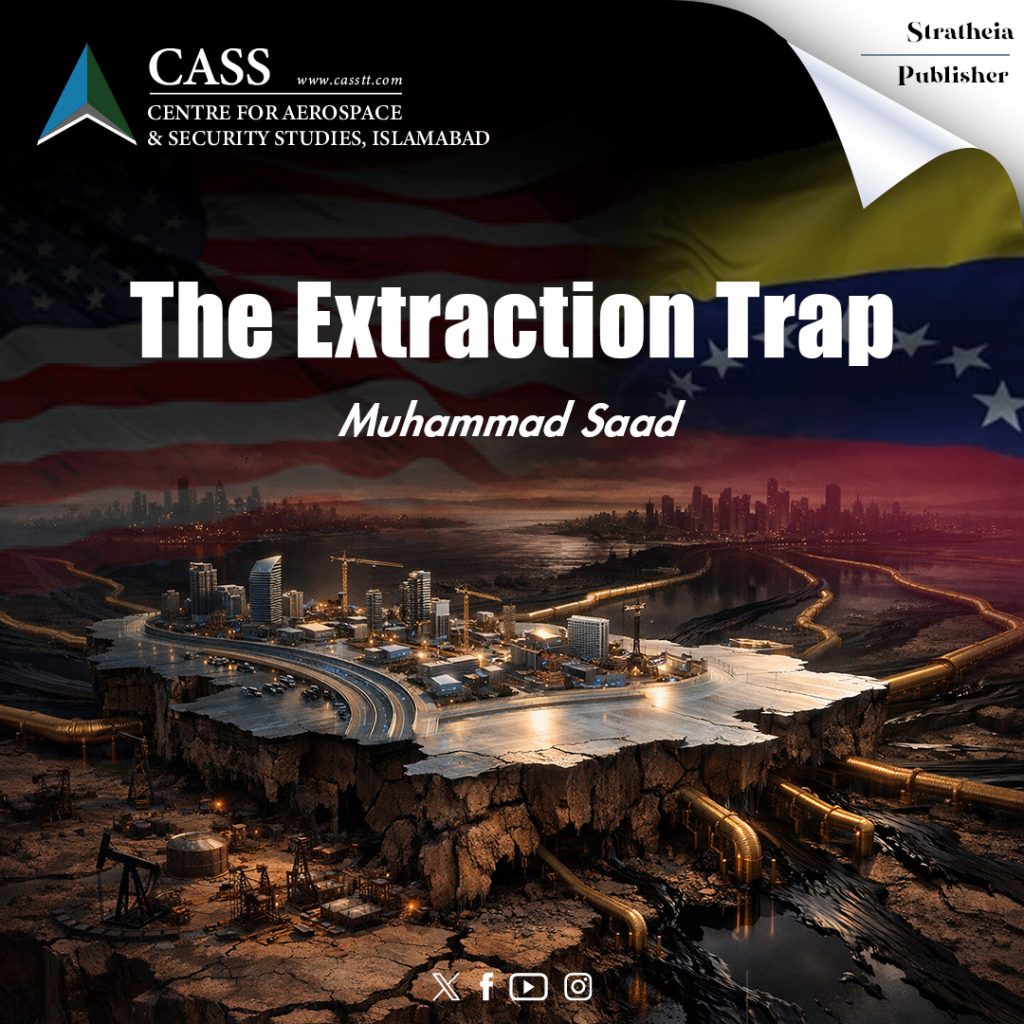
The Extraction Trap
Trump’s declaration to “run Venezuela” after Maduro’s capture is a seeming promise of a sudden cure to Venezuela’s ills. However, it ignores the nation’s terminal diagnosis of a century of plunder. The rhetoric of imminent revival on the basis of the speedy return of international oil capital and the promise of 100 billion US dollars in reconstruction funds made the intervention seem like a unique opportunity.
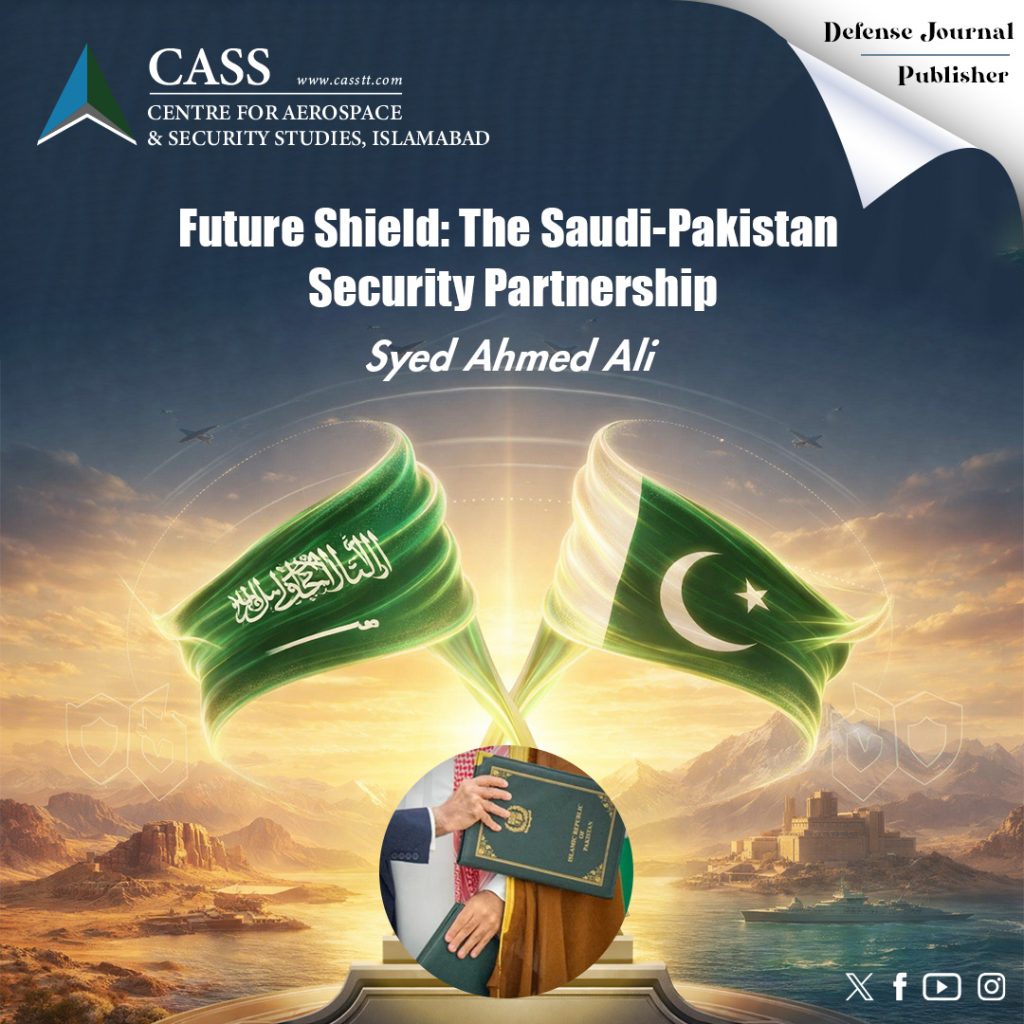
Future Shield: The Saudi-Pakistan Security Partnership
Although the SDMA does not identify an adversary, effectively functioning as a deterrent, it cannot be viewed in isolation from the Israeli belligerence in the Middle East. Israel’s war against Hamas has expanded beyond the genocide of Gaza; it has bombed the West Bank, Lebanon, Syria, Yemen, Iran, and recently Qatar. Tel Aviv’s campaign under the banners of ‘anti-Semitism’ and ‘terrorism’ has engulfed the whole Middle East in a war-like situation, which has generated new enemies and has deepened the instability of the region.
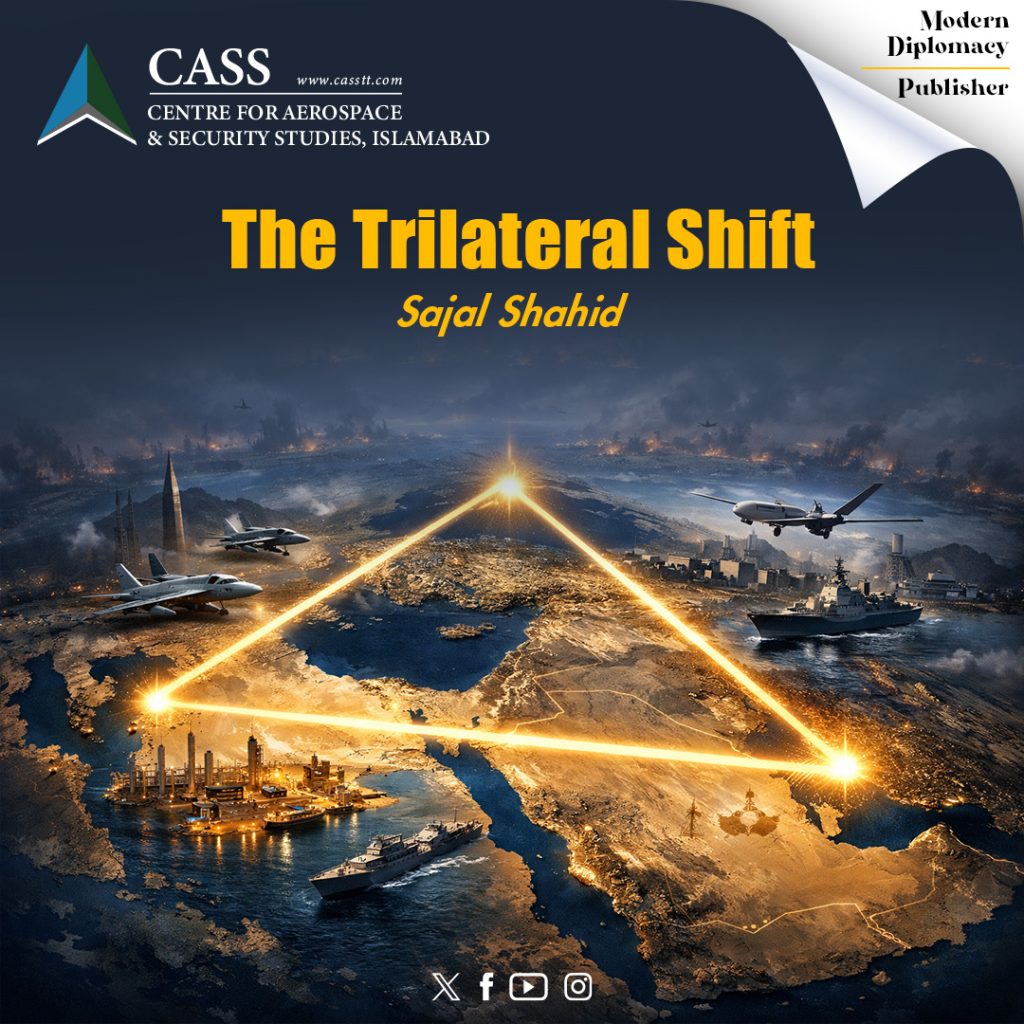
The Trilateral Shift
On 15 January 2026, the Pakistani defence production minister confirmed that an agreement for a new trilateral defence deal between Pakistan, Saudi Arabia, and Türkiye is in the pipeline, other than the Pakistan-Saudi bilateral deal announced last year.
