
Technological developments are pivotal to fostering development and economic growth. However, unequal access to modern technologies and innovations amplifies existing disparities, widening the socioeconomic and digital divide between nations. In this context, developing countries, in particular, grapple with systemic barriers, including inadequate infrastructure, high cost of digital services, and limited digital literacy. These challenges, compounded by structural dependencies and institutional shortcomings, significantly hinder their progress toward digital transformation. These ongoing trends call for an in-depth analysis of the global digital divide, including the structural, institutional and socioeconomic factors at play. Furthermore, it is essential to explore actionable strategies to bridge these disparities and foster an inclusive digital future that empowers low-income countries without deepening dependency. In this regard, there is a need to focus on aspects of utmost importance – Access, Equity and Empowerment. In order to broaden the discourse, CASS hosted a webinar titled ‘Bridging the Global Digital Divide: Access, Equity and Empowerment.’ The webinar aimed to get valuable insights from representatives belonging to academia and industry. The eminent speakers included Dr Sumaira Kausar, Director, Centre of Excellence in Artificial Intelligence (CoE-AI), Bahria University, Islamabad; Ms Mahnoor Salman, Senior AI Engineer and Co-founder, Atomcamp; and Mr Adnan Zaidi, CEO, Proxima AI. The session was moderated by CASS Research Assistant Shah Muhammad and concluding remarks were delivered by President CASS Air Marshal Javaid Ahmed (Retd).

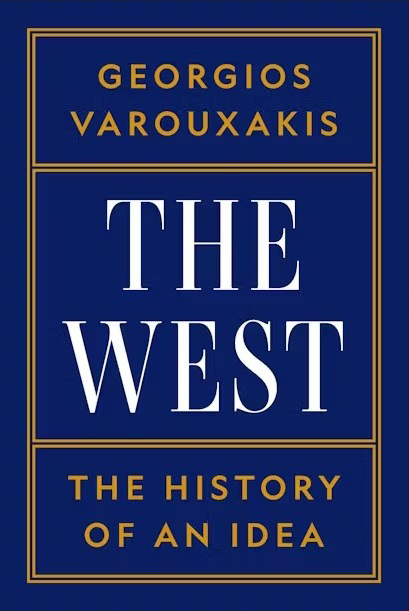
The West: The History of an Idea
The world is witnessing the collapse of the Western order, if not the emergence of an alternative one. The idea of ‘West’ as against the rest is still at the root of contemporary understanding of world politics. Georgios Varouxakis, a remarkable voice on Modernity and Nationalism, has provided the historical origins and modern connotations attached with the idea of ‘West’. In his book ‘The West: The History of an Idea’, Varouxakis has argued that the West is not an eternal entity, rather it is a modern socio-political construct that emerged in the political philosophy of the early 19th century and evolved with the passage of time. The book provides an in-depth historical analysis of the idea to determine the roots of its modern interpretation.
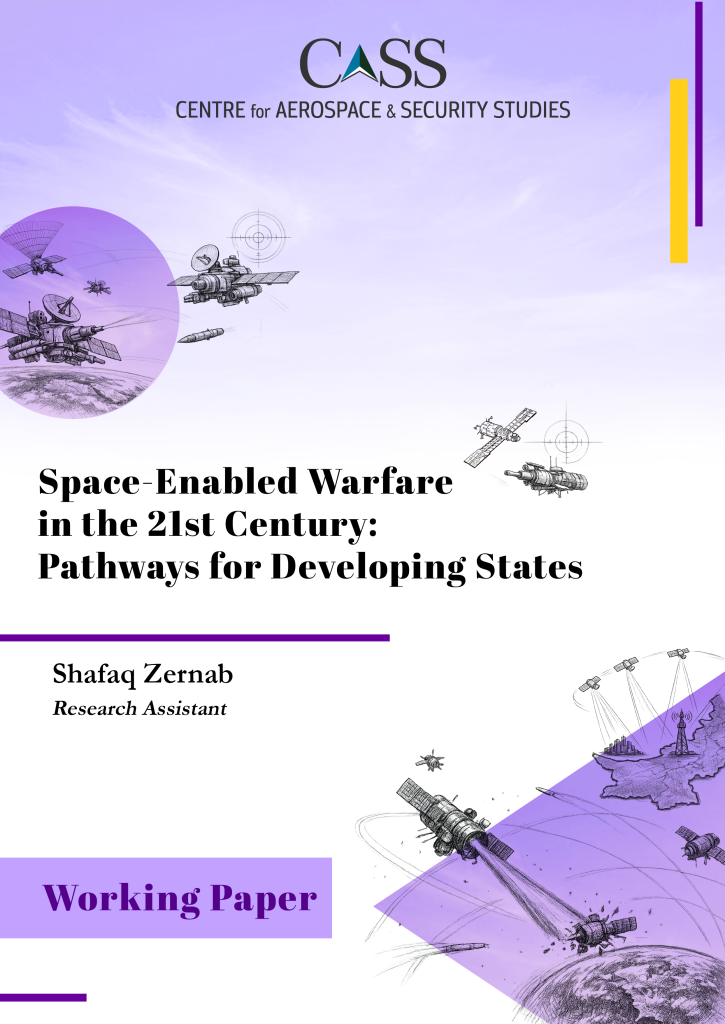
Space-Enabled Warfare in the 21st Century: Pathways for Developing States
Space has emerged as a distinct domain of warfare alongside land, sea, air, and cyber. Developed countries like the United States, Russia, and China possess offensive and support capabilities in space. In the shadowed expanse of Low Earth Orbit (LEO), where satellites operate like silent custodians, the 2022 Russian invasion of Ukraine transformed the nature of modern conflict. As Russian troops marched forward, the commercial satellites like Maxar and Planet, which are operated by Western firms, captured high-resolution imagery of Russian troops, providing real-time intelligence to Ukrainian commanders, unlike ever before.
