
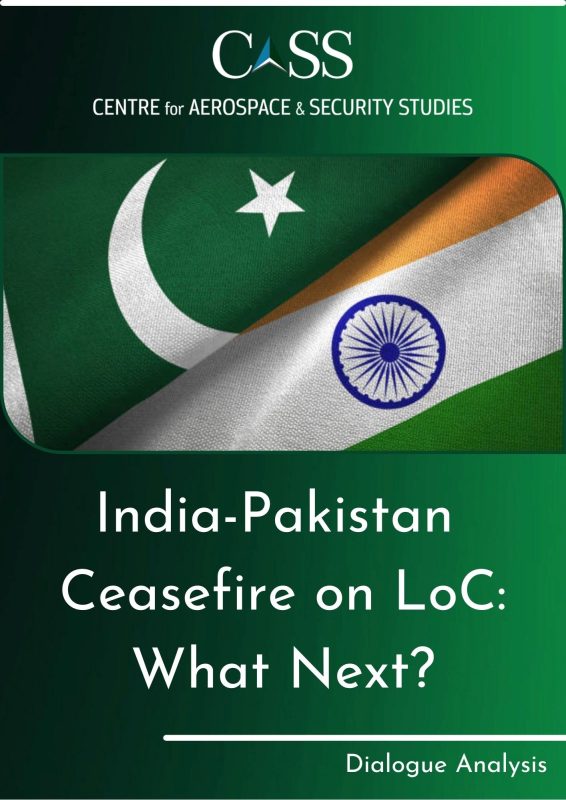
The Centre for Aerospace & Security Studies (CASS) organized an International Webinar on ‘India-Pakistan Ceasefire on LoC: What Next?’ on 3 June 2021. Speakers from Pakistan and India critically evaluated whether the 26 February 2021 Joint Statement issued by the Director Generals of Military Operations (DGMOs) of Pakistan and India was just another Confidence Building Measure (CBM) or could pave the way for a comprehensive dialogue on all security issues between the two countries. In the statement a ceasefire and an agreement to discuss core issues of concern was announced. Speakers hoped that backchannel talks would lead towards rapprochement. However, there was consensus that optimism was overshadowed by genuine scepticism due to various obstacles and roadblocks in the way of this process.
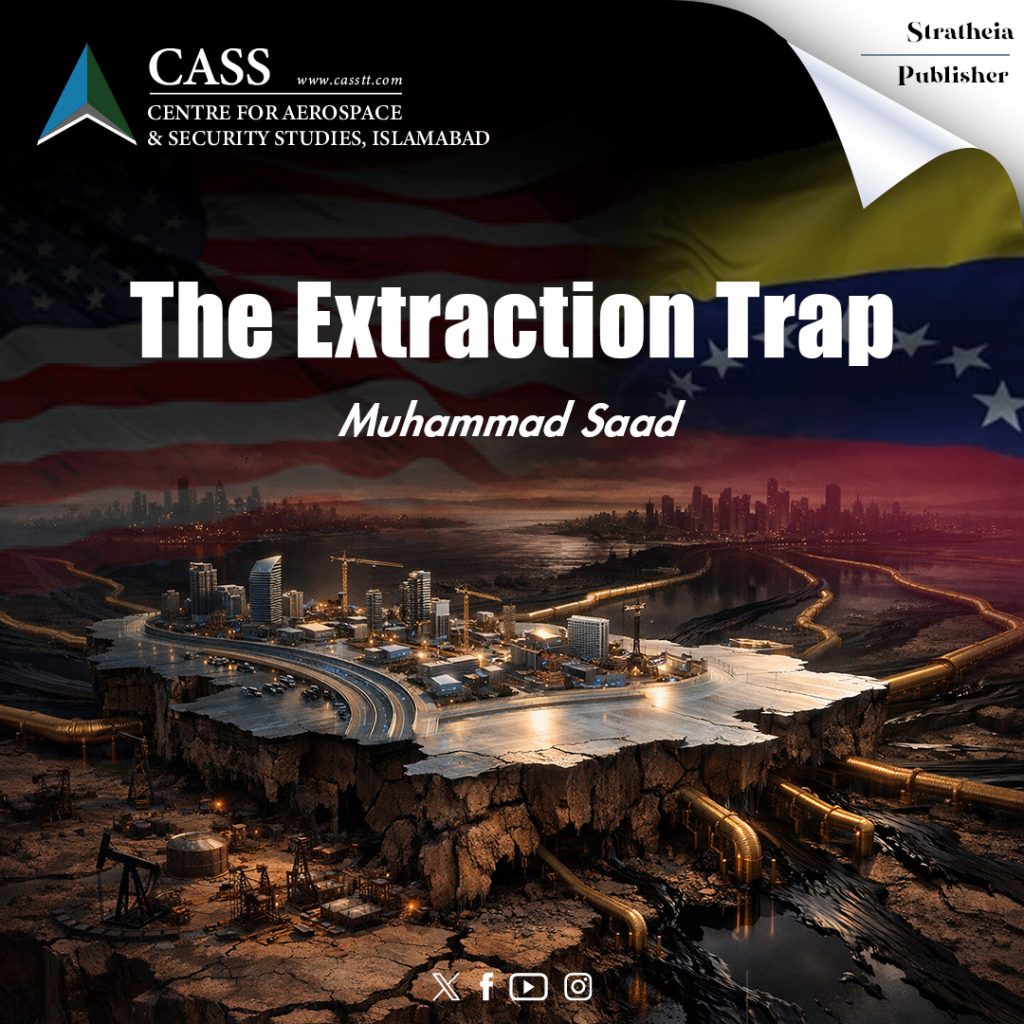
The Extraction Trap
Trump’s declaration to “run Venezuela” after Maduro’s capture is a seeming promise of a sudden cure to Venezuela’s ills. However, it ignores the nation’s terminal diagnosis of a century of plunder. The rhetoric of imminent revival on the basis of the speedy return of international oil capital and the promise of 100 billion US dollars in reconstruction funds made the intervention seem like a unique opportunity.
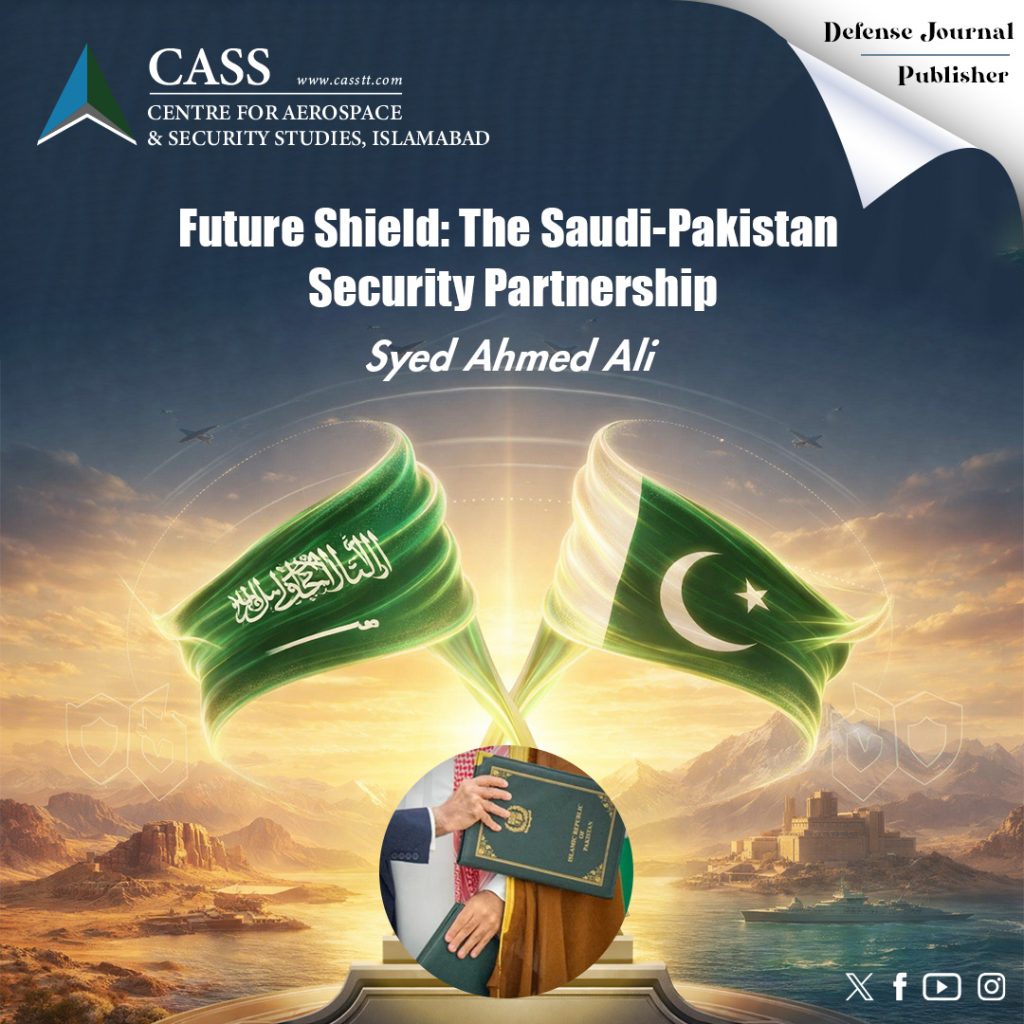
Future Shield: The Saudi-Pakistan Security Partnership
Although the SDMA does not identify an adversary, effectively functioning as a deterrent, it cannot be viewed in isolation from the Israeli belligerence in the Middle East. Israel’s war against Hamas has expanded beyond the genocide of Gaza; it has bombed the West Bank, Lebanon, Syria, Yemen, Iran, and recently Qatar. Tel Aviv’s campaign under the banners of ‘anti-Semitism’ and ‘terrorism’ has engulfed the whole Middle East in a war-like situation, which has generated new enemies and has deepened the instability of the region.
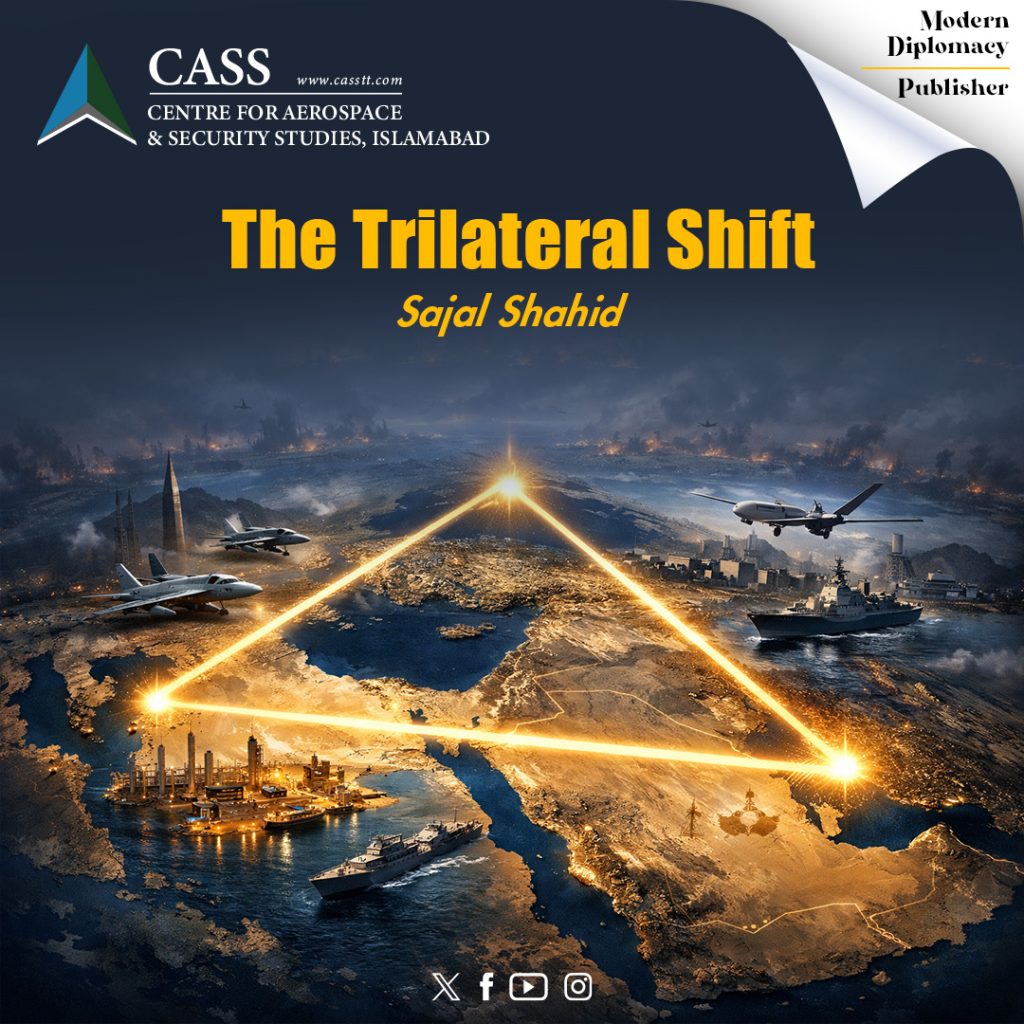
The Trilateral Shift
On 15 January 2026, the Pakistani defence production minister confirmed that an agreement for a new trilateral defence deal between Pakistan, Saudi Arabia, and Türkiye is in the pipeline, other than the Pakistan-Saudi bilateral deal announced last year.
