
There is an accelerating trend of global disruptions becoming increasingly digital in nature. This trend of global IT outages is indicative of deepseated vulnerabilities and technical lapses in the interconnected networks of Digital Public Infrastructure (DPI). Drawing on the theoretical stream of digital disconnection, this paper offers an empirical account of the causes and detailed cases of prominent global IT outages in the recent past. The cases offer insights into the intricacies of IT meltdowns as well as ensuing ramifications on different sectors globally. Subsequently, it lays down a set of viable policy measures that may be undertaken at global, national, organisational and individual levels to prevent the likelihood of IT blackouts in future and thereby maintain digital resilience in the DPI worldwide. The paper essentially contributes to the relatively scant literature on IT outages – a subject of paramount significance in an increasingly interconnected world of Industry 4.0.
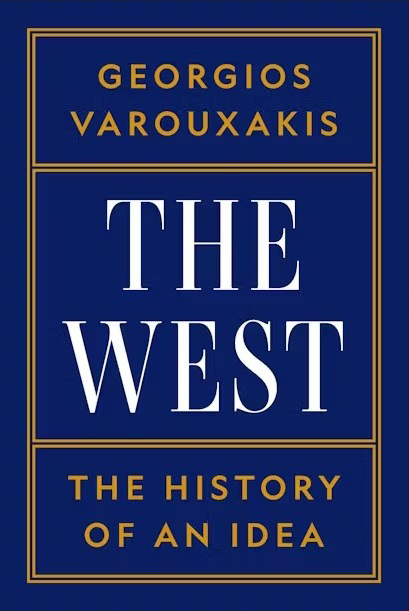
The West: The History of an Idea
The world is witnessing the collapse of the Western order, if not the emergence of an alternative one. The idea of ‘West’ as against the rest is still at the root of contemporary understanding of world politics. Georgios Varouxakis, a remarkable voice on Modernity and Nationalism, has provided the historical origins and modern connotations attached with the idea of ‘West’. In his book ‘The West: The History of an Idea’, Varouxakis has argued that the West is not an eternal entity, rather it is a modern socio-political construct that emerged in the political philosophy of the early 19th century and evolved with the passage of time. The book provides an in-depth historical analysis of the idea to determine the roots of its modern interpretation.
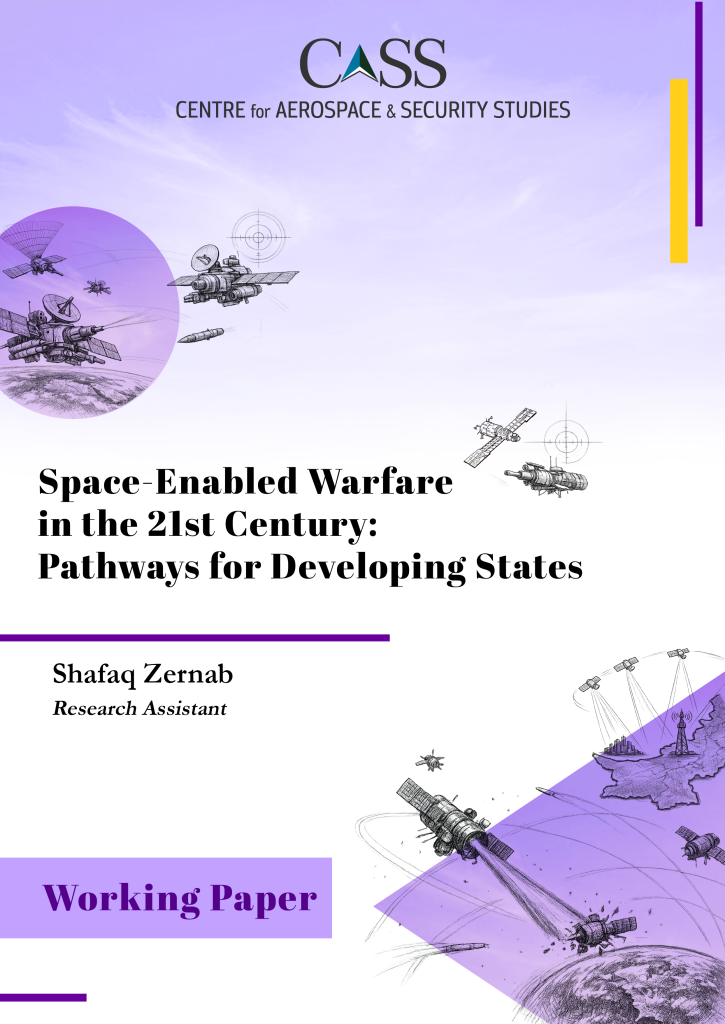
Space-Enabled Warfare in the 21st Century: Pathways for Developing States
Space has emerged as a distinct domain of warfare alongside land, sea, air, and cyber. Developed countries like the United States, Russia, and China possess offensive and support capabilities in space. In the shadowed expanse of Low Earth Orbit (LEO), where satellites operate like silent custodians, the 2022 Russian invasion of Ukraine transformed the nature of modern conflict. As Russian troops marched forward, the commercial satellites like Maxar and Planet, which are operated by Western firms, captured high-resolution imagery of Russian troops, providing real-time intelligence to Ukrainian commanders, unlike ever before.
