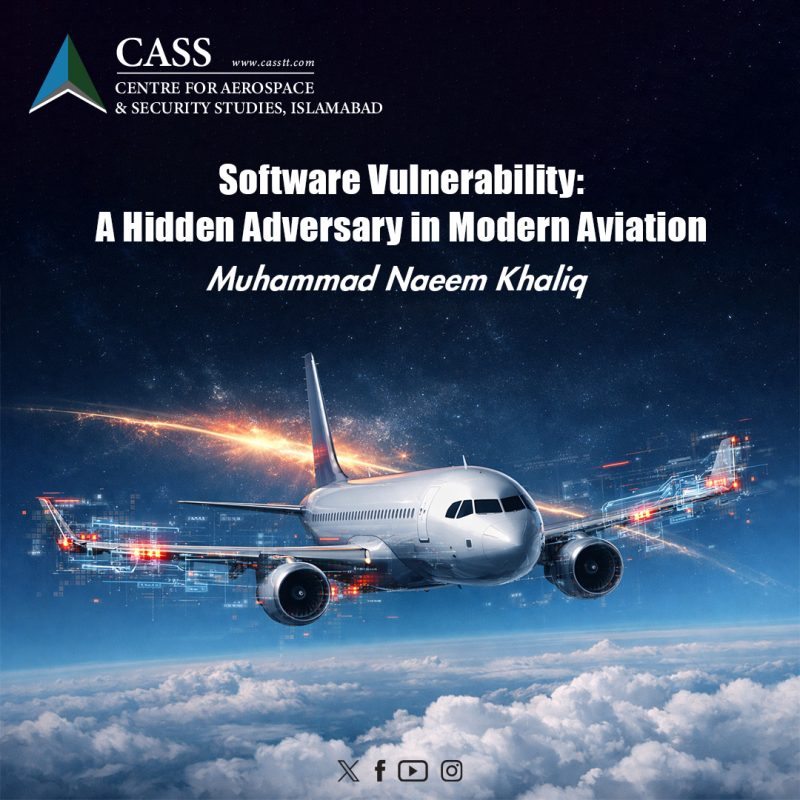
In October 2025, a JetBlue Airbus A320, flying from Cancun to Newark, encountered an inadvertent pitch down, creating panic and injuries onboard. The crew managed to regain control of the aircraft and made a safe emergency landing at Tampa, Florida. Initial investigations attributed the incident to a malfunction of the aircraft’s ELAC flight computer software, responsible for controlling primary flight controls (elevator and aileron surfaces). The incident occurred after a recent software update and was attributed to intense solar radiation affecting the flight control data. Consequently, Airbus issued a major proactive recall for its A320 aircraft across the globe and implemented immediate remedial measures. The incident resulted in disrupting the Airbus flight operations around the globe. Almost two-thirds of A320 aircraft were grounded, affecting millions of passengers. Under the guidance of Airbus, the operators around the world worked promptly, and the glitch was resolved.
Modern aviation software tools form the backbone of the aviation industry in the realms of flight planning, flight operations, maintenance, passenger handling, and commercial activities. These systems ensure expeditious and safe operations with fewer chances of error and greater efficiency. Such tools assume many of the routine operational tasks and emergency conditions. The systems can undertake the corrective measures, even before the operators start monitoring a developing condition. The software ensures the critical task of routine monitoring and prompt the crew in the event of any impending situation. Some modern systems can take control of the aircraft in case of a mishandling by the crew beyond the normal operational regime. While these tools enhance the system efficiency, a single malfunction can jeopardise the reliability, safety, and resilience of the entire aviation network.
Unlike physical systems, the malfunction of software-based systems may be hard to identify by traditional risk analysis mechanisms at operators’ level. Such detections may stay unnoticed for a prolonged period and yield catastrophic results. Software fault isolation mechanism needs a comprehensive understanding of system design and specific maintenance protocols. While some predicted system misbehaviour may be addressed during the design phase, a few issues may go undetected till the system is in actual operations. A specific mitigation approach must be identified and integrated into the system, from the concept to operations. The system must qualify against the pre-defined engineering objectives, prevalent industry standards and regulatory framework. Moreover, it must be evaluated for the envisaged operational environment and possible failures. A comprehensive design philosophy, along with a stringent design and evaluation process, is likely to address all operational failures before the actual utility of the system. These systems are prone to failures, despite all the precautionary measures, hence they always require regular analysis and an updating mechanism. While in operations, the system must be under continuous monitoring, fault analysis, and modifications as and when required. To ascertain the operational failures, the system must be regularly subjected to system integrity, updates, system limitations, and regulatory compliance.
In addition, system understanding and training are the key elements for optimum system employment. A sound training framework will boost the operator’s confidence and will allow maximum operational employment while identifying any impending malfunction. The operational personnel must be amply trained and qualified for the system maintenance and operations. The aircrew need rigorous training for system handling in flight. A simple wrong input may lead to system misbehaviour and may result in catastrophic results, jeopardising the safety of the equipment and personnel, along with possible mission degradation.
System protection from malicious actors is another challenge, requiring greater attention. These actors may exploit the possible vulnerabilities of the system and cause it to malfunction. Typically, malware, worms, service denial, phishing, and bot attacks may be used for software attacks. Such elements can hack the software system both in the commercial and defence aviation sectors. The hackers may either deny the system data to the operator or present manipulated data (spoofing) to misguide the operator or the pilot. Critical aircraft systems, datalinks, communication systems, networking tools, flight computers and navigation data servers need to be safeguarded from intrusion. The hacking penalties may range from simple data loss to mission operational degradation to loss or destruction of the system or the platform in extreme cases. The attacks on flight control systems, navigation data systems, flight computers and safety systems may result in even greater consequences. Regular updates, access control, data integrity checks and secure development modules are key tools to avert any cyber-attacks on aviation systems.
Aviation software systems are leading the global aviation industry today. These systems allow swift operations while ensuring safety in aviation. These systems are key components of the modern aviation ecosystem, ensuring safety in operational, maintenance and commercial activities. Complex aviation systems necessitate the use of software tools in everyday operations. Latest aviation technologies, autonomous flight operations, artificial intelligence, and software are major contributors to today’s aviation. Despite all the limitations, the contemporary aviation system is heavily dependent on these technologies. Robust system designs, better training, system updates, and enhanced safety protocols are crucial for safer skies in the present day and times to come.
Author Bio – Group Captain (Retd) Muhammad Naeem Khaliq is a veteran PAF pilot, currently working as Director Research, Aviation & Aerospace at Centre for Aerospace & Security Studies (CASS), Islamabad.