
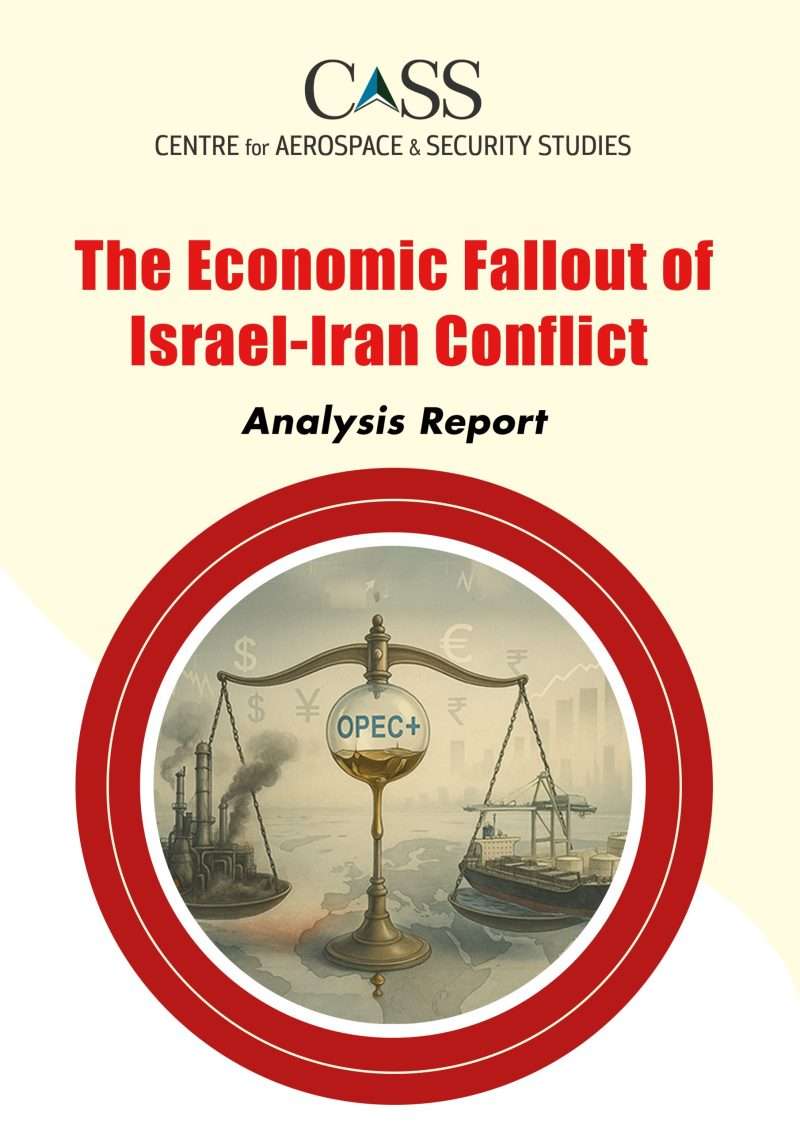
Title Cover-PER--A4-ZW-Eco-Fal-Iran-Isr-2 July 2025-Front-APP

The recent military escalation between Israel and Iran amid Israeli aggression reignited fears of major disruptions in global energy markets. With key oil and gas infrastructure in Iran and Israel coming under attack and risk of disruption in the Strait of Hormuz – a critical chokepoint for 20% of the world’s oil supply – investors and policymakers were increasingly concerned about the economic ripple effects of regional instability. A significant drop in oil and gas supply, combined with limited spare capacity among Organization of the Petroleum Exporting Countries (OPEC)+ members, could have pushed oil prices to unsustainable highs and strain already fragile economies.

In view of this, the Centre for Aerospace & Security Studies (CASS) organised a Webinar on 25 June 2025 on ‘The Economic Fallout of Israel-Iran Conflict.’ This webinar aimed to provide timely, multi-perspective analysis of how the conflict could reshape global energy dynamics, increase market volatility, and impact inflation and trade flows. It also aimed to explore the readiness of OPEC+ to respond, vulnerabilities of energy-importing nations, and the long-term risks to global energy security.

The distinguished subject matter experts who spoke at the webinar included:

  • Dr Einar Tangen, Senior Fellow, Taihe Institute, Beijing
  • Dr Manzoor Ahmad, Senior Fellow, Pakistan Institute of Development Economics (PIDE), Islamabad
  • Dr Usman W. Chohan, Advisor, Economic Affairs and National Development, Centre for Aerospace & Security Studies (CASS), Islamabad

The discussion was moderated by Zahra Niazi, Research Associate at CASS with Concluding Remarks by President CASS Air Marshal Javaid Ahmed (Retd).
Share this article

Facebook
Twitter
LinkedIn

Recent Publications

Browse through the list of recent publications.

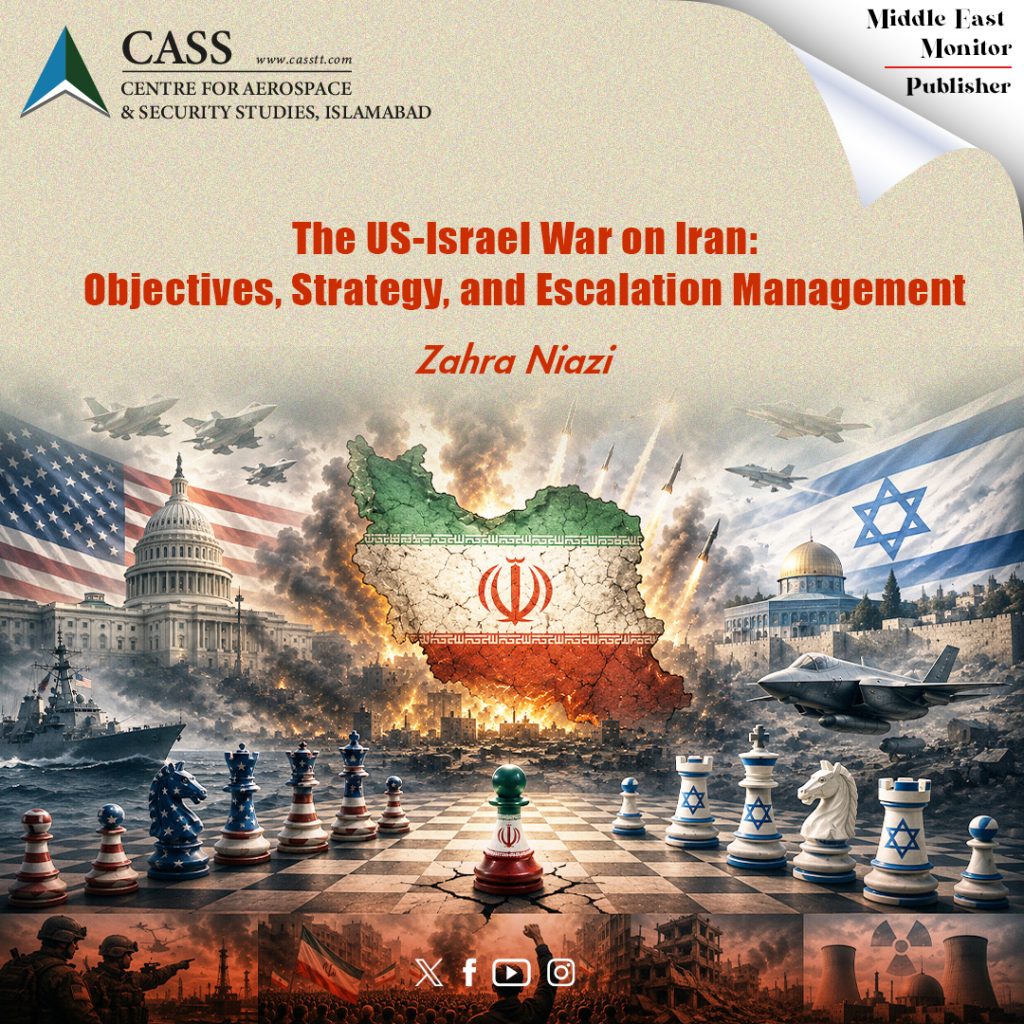
The US-Israel War on Iran: Objectives, Strategy, and Escalation Management

Zahra Niazi
‘States tend to overestimate themselves or the benefits and swiftness of war, and to underestimate their opponents’ capabilities, intentions, or the costs and duration of war.’ If anything, the 2026 war initiated by the United States and Israel against Iran shall be remembered in the annals of warfare among the most visible manifestations of this dynamic.
The war, immediately preceded by the January mass protests in Iran, did not represent a sudden rupture but rather the continuation of a 47-year-long confrontation and a more intense phase of the June 2025 war.
The US Secretary of War, Pete Hegseth, defined the war’s objectives as being laser-focused: to destroy Iran’s missile capabilities and its security infrastructure, while ensuring that it could never develop nuclear weapons. Beyond these stated objectives, among the priorities on the continuum also lay the objective of regime change, with both President Trump and Prime Minister Netanyahu explicitly calling on the Iranian population to take over the government at the outset of the war.

Read More »

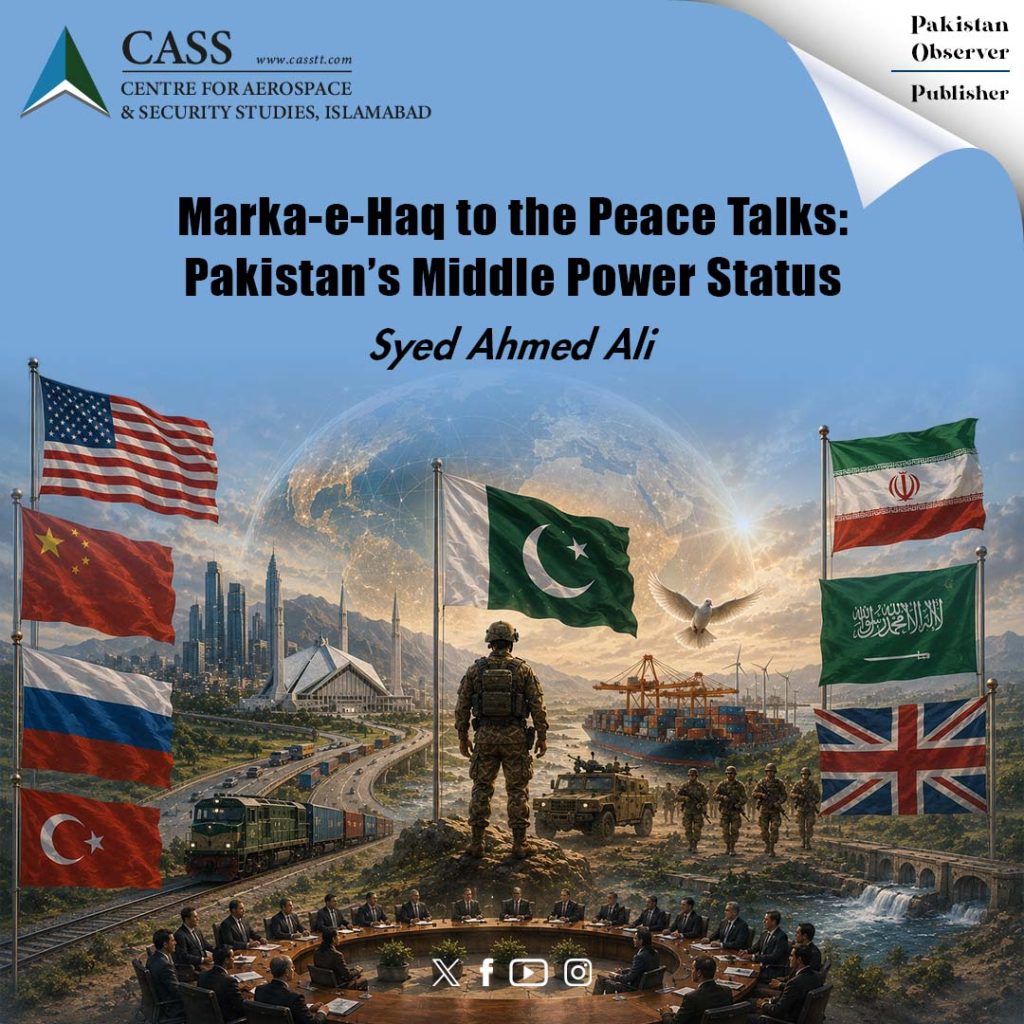
Marka-e-Haq to the Peace Talks: Pakistan’s Middle Power Status

On 7th May 2025, Pakistan’s military forces took the international security community by surprise when it demonstrated operational superiority against its larger belligerent adversary India with its rapid and coordinated response. The Four-Day conflict proved to be a watershed moment for Pakistan, marking its rapid emergence as an important player in the region. In recent years, amidst the ongoing global competition between the United States and China, Islamabad has adopted a position of ’Strategic Balancing,’ where it maintains ties of cooperation with both Beijing and Washington. Deft diplomacy, emphasis on geo-economics, and credible conventional and strategic deterrence have remained the foundational pillars for Pakistan’s ambition as a rising middle power

Read More »

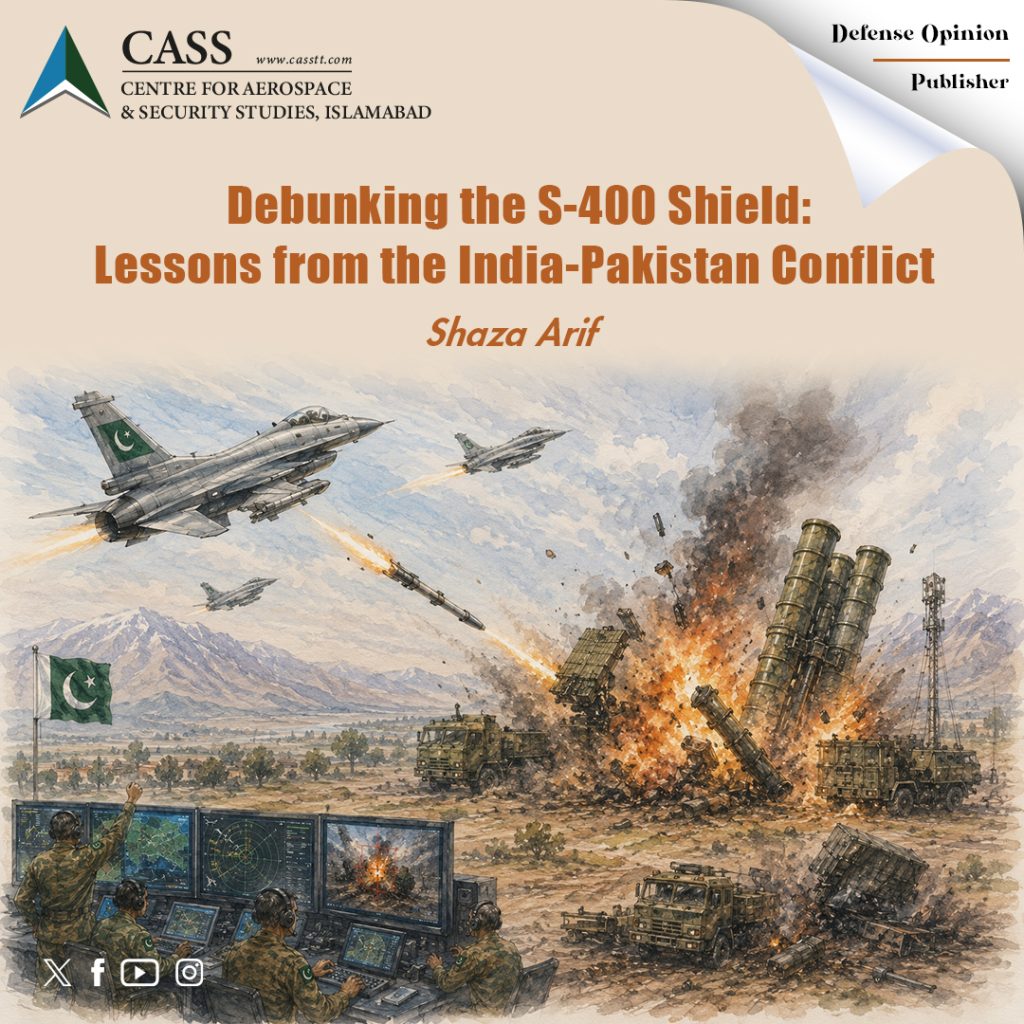
Debunking the S-400 Shield: Lessons from the India-Pakistan Conflict

Air defense has always been a central aspect of warfare. In South Asia, the phenomenon carries immense significance due to compressed reaction times. In this context, one of the most-hyped systems is the Russian-made S-400, touted by New Delhi as a one-stop solution to counter aerial threats from both Pakistan and China.
The 2025 conflict between India and Pakistan marked an important chapter in testing the S-400 technology. The conflict began on May 7, when India attacked what it alleged were terrorist targets in both Pakistani-held Kashmir and Pakistan proper, using drone and missile strikes. The conflict lasted for four days, culminating in a U.S-facilitated ceasefire. However, the brief conflict debunked a lot of the myths regarding the S-400 technology.
First, India claimed that the mobile S-400 would be able to control Pakistan’s airspace. In contrast, Pakistani aircraft continued to operate freely, according to official briefings by the Pakistani military. Although the Pakistan Air Force (PAF) aircraft were in their own airspace, they were still within the air defense range.

Read More »
