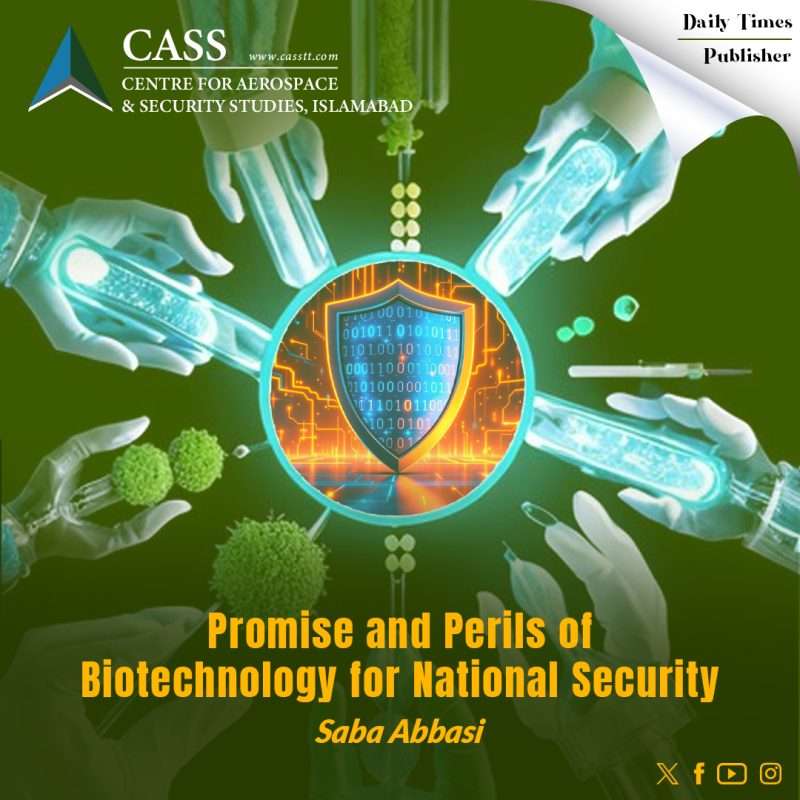
Biotechnology has been in use by humans for over 10,000 years. Ancient bioscience incorporated processes like fermentation and cross breeding, while contemporary biotech could design an altogether new breed of flora or fauna. In present age, biotechnology contributes to scientific as well as, traditional and non-traditional domains of national security.
At the outset, biotechnology has revolutionised global health security. The emergence of mRNA vaccines during the COVID-19 pandemic is a testament to the innovative, transformative solutions that biotechnology can offer to improve global health outcomes. During the rapid pace of a pandemic, mRNA technology shortened the vaccine development timeline, resulting in agile immunisation tools to combat the virus.
Notably, DARPA played a significant role in the development of the mRNA technologies used to counter COVID-19. The US Department of Defence (DOD) heavily invests in vaccine research, underscoring the importance of biotechnological products for national defence.
Agriculture is another area where biotechnology has proven beneficial, particularly through the development of genetically engineered crops. The genetic modification of crop DNA to achieve desirable traits is a common application of biotechnology. Crops developed through genetic alteration are resistant to insects, herbicides, and viruses. These features improve crop productivity by preventing crop loss and yielding cleaner, chemical-free food. Furthermore, biofortification—enhancing the nutritional content of crops—is an additional benefit of agricultural biotechnology, contributing to food security, particularly in developing countries.
Around 2018, the genetic modification of Bangladesh’s staple eggplant resulted in increased insect resistance and boosted agricultural revenue for farmers adopting the GMO variety. Meanwhile, in Pakistan, where poultry is a major source of protein, the previous ban on GMO soybean imports plunged the poultry industry into crisis and reduced consumer purchasing power. Recently, the withdrawal of this import ban by the Pakistan National Biosafety Centre has been well received by the poultry industry, although it has sparked debate about the unforeseen effects of GMOs on human and environmental health.
In an environmental context, the production of biofuels is gaining traction as a source of clean, renewable energy; and understandably so. Given the unprecedented spike in global energy demand and the overreliance on fossil fuels, which have created many environmental challenges, diversification of energy sources is imperative.
Biofuels are a promising energy source produced from biomass, such as crops. Biotechnological techniques enhance the ability of crops to produce biofuel precursors. Simply put, these biotechnological techniques help develop energy crops with improved yields and enhanced composition. For instance, sugarcane is Brazil’s leading bioenergy crop, playing a key role in the country’s dominance in global bioethanol production. In 2023, a Brazilian Biotech Company used gene editing tools to develop sugarcane varieties with higher sugar content, thereby enhancing biofuel production.
On the flip side, there are various risks associated with biotechnology as well. One of the potential risks of biotech is the unintended use of genetically modified organisms leading to potential damage or disruption of natural ecosystems.
Furthermore, theintentional release of pathogenic organisms into the environment to harm ecology and human lives represents a perilous outcome of biotechnology. The usage of biological agents in warfare is not a new concept and has various examples in recorded history. However, advanced biotechnologies can be used to engineer malicious bio-agents with enhanced virulence and strong resistance to vaccines. The use of engineered pathogens by non-state actors or terrorist outfits to fulfil political and social objectives poses a grave threat to national security.
Following the Anthrax incident in the United States, the government augmented its resources and efforts towards national biodefence research. This renewed focus on biotech research underscores the inevitability of fighting fire with fire, countering aggressive pathogens by developing even more potent vaccines. This signifies that the research and development in biotechnology is not only important for multiple facets of national security but also for countering both unintentional and intentional ramifications of its products.
Nevertheless, furthering biotech research must be balanced with regulatory frameworks. In this regard, the Cartagena Protocol on Biosafety is a pivotal legally binding instrument that obligates its signatories to handle GMOs/LMOs securely and manage them in compliance with biosafety standards. It also underscores risk assessment and public awareness for protecting ecological and human health. However, given rapid advancements in gene editing technologies such as CRISPR, the scope of the Cartagena Protocol should be broadened to include organisms that have been gene-edited endogenously.
Ultimately, harmonising regulatory frameworks with research and development in bio-innovation is essential for realising the full potential of biotechnology in the core areas of national security. Moreover, harmonising regulatory frameworks with bio-innovation will help safeguard both human populations and the environment against the potential exploitation of biotechnology by non-state actors.
Saba Abbasi is a Research Assistant at the Centre for Aerospace & Security Studies (CASS), Islamabad, Pakistan. The article was first published in Daily Times.She can be reached at [email protected].