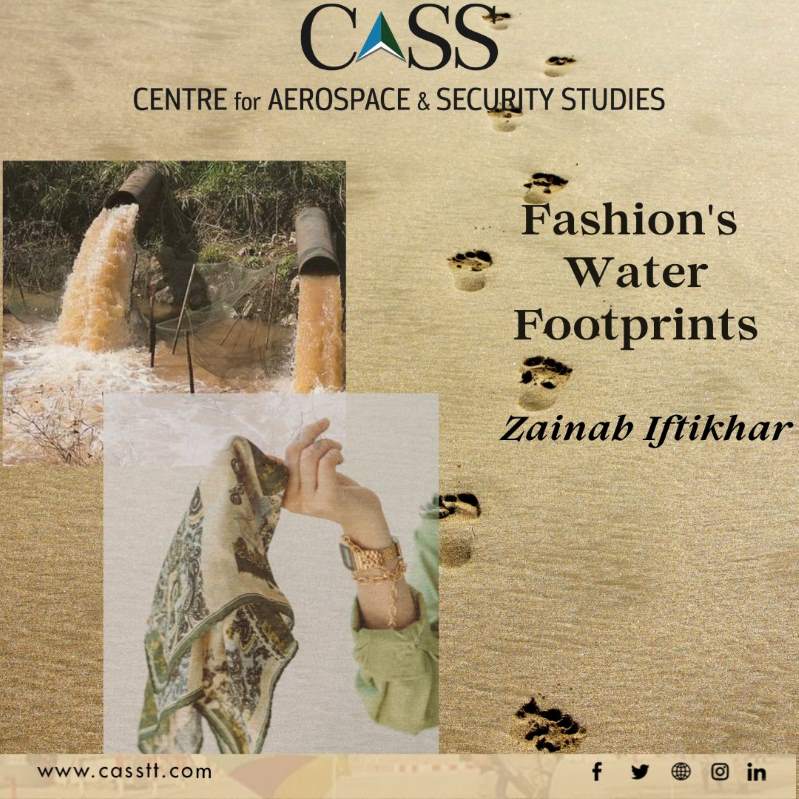
In an era where fashion trends ripple across the world faster than ever before, it is crucial to examine the hidden cost of our sartorial choices. Beyond the allure of glamorous runways and chic storefronts lies a deep and often overlooked connection between the fashion industry and our planet’s most vital resource – water. From dyeing to the finishing processes to the cultivation of raw materials, the world of fashion leaves an indelible mark on the world’s water resources.
As environmental consciousness is gaining momentum, it is crucial to unravel the impact our clothing decisions have on this increasingly scarce resource. First, cotton, one of the most widely used natural fibres in the fashion industry, has a significant impact on water resources. Cotton cultivation requires large amounts of irrigation, contributing to the depletion of freshwater sources. According to research, it takes approximately 2,700 litres of water to produce a single cotton t-shirt. Second, the water footprint extends beyond cotton cultivation and includes the manufacturing processes involved in transforming raw materials into fabrics. Textile production involves several water-intensive stages, including sizing, bleaching, mercerizing, dyeing, scouring and finishing. The dyeing process, in particular, requires vast quantities of water, as the fabrics are immersed in dye baths to achieve the desired colour. As per recent reports, Bangladesh’s underground water resources are depleting severely due to the textile industry. The yearly water consumption of the textile industry is 1,500 billion litres, equivalent to the water consumption of 20 million Dhaka residents for 5-10 months. Third, the improper management of wastewater is a widespread practice in the textile industry, exacerbating water pollution. Many textile factories discharge untreated or poorly treated wastewater directly into nearby water bodies, bypassing proper treatment processes. The wastewater often contains high levels of organic matter, toxic chemicals, and dyes resulting in severe pollution of rivers and other water sources. According to a media report, garment factories in Faisalabad, Pakistan, use 40,000 to 50,000 gallons of water per hour which goes untreated to the city’s main sewage system as the factories have no wastewater treatment or proper drainage system.
Similarly, ‘fast fashion’ refers to the production of low-cost clothing items at high speed, often leading to a disposable fashion culture. The fast fashion industry’s contribution to climate change further exacerbates water scarcity concerns. According to UN reports, the fashion industry contributes 8-10% to greenhouse emissions annually. The rise of fast fashion and its relentless demand for new trends has exacerbated the problem with the United Nations Framework Convention on Climate Change (UNFCCC) anticipating a rise of more than 60% emissions by the textile industry by 2030.
To promote sustainability, it is recommended to focus on improving wastewater treatment by implementing advanced technologies that effectively remove harmful chemicals and pollutants before discharging the water. Some methods to consider include the use of effluent treatment plants, biodegradation and oxidation. Moreover, water recycling systems should be set up in textile factories to help reduce water consumption and minimise pollution. Conservation measures such as rainwater harvesting and water-efficient technologies can also play a crucial role in mitigating water pollution.
Responsible consumer behaviour can contribute significantly to coping with fashion’s water footprints. Consumers should be educated about the environmental impact of fast fashion and responsible buying habits should be promoted. Emphasising the value of quality over quantity, supporting ethical and sustainable fashion brands, and practising clothing repair, reuse, and recycling are crucial steps in this regard.
At the macro level, a crucial step towards addressing the water footprint of the fashion industry is the collaborative effort of governments, fashion industry associations, and international organizations. By working together, they can establish and enforce regulations that promote sustainable practices within the industry. This involves incentivising water-efficient manufacturing processes, enforcing proper wastewater treatment measures, and setting targets to reduce water consumption and pollution. Such collective actions will play a significant role in mitigating the industry’s impact on water resources. Lastly, transparency and supply chain traceability are vital for ensuring compliance. Fast fashion brands must focus on transparency, verifying that environmental and social standards are upheld within their supply chains. Implementing traceability systems will enable the identification and resolution of water-related issues throughout the production process, promote accountability and foster positive change within the industry.
Understanding the water footprint of our clothing choices invites us to re-imagine our relationship with fashion, encouraging us to prioritise sustainable practices and embracing timeless styles to honour the delicate balance of the planet’s water resources. Together, through water conservation practices, we can weave a sustainable future where fashion meets responsibility.
Zainab Iftikhar is a Research Assistant at the Centre for Aerospace and Security Studies (CASS), Islamabad, Pakistan. She can be reached at [email protected].
Design Credit: Mysha Dua Salman