As the economist David Graeber illustrated in his magisterial work Debt: the First 5000 Years, there is an inextricable link between the human experience of plagues and disease on one hand, and the imposition of odious and usurious debts on the other.
To exemplify the point, he cites the impoverishment of the island republic of Madagascar under the IMF during the 1980s. As part of its desire to exact the full measure of its loans, the IMF imposed brutal austerity measures across the destitute island of Madagascar but particularly around the penniless region of Arivonimamo.
Leaving no room for negotiation on forgiveness of the debt, which was an erstwhile trivial rounding error in the IMF’s massive balance sheet, the Malagasy government was forced to take a set of morally reprehensible measures to comply. Most notably, it was forced to the terminate a vast mosquito net program, which was intended to protect the vulnerable population from the scourge of malaria.
Once removed, the mosquito net program could no longer protect the population, and thus a violent outbreak of malaria which killed thousands of people ensued. In addition, austerity led to the disbandment of police, soldiers and government bureaucrats from the Arivonarimo region, and crime and violence ran rampant as well.
In our case, Pakistan has had to take stringent measures since the imposition of IMF austerity in 2019, under which the people have had to withstand incredible hardships. As Covid-19 has begun to break out in the country, particularly after pilgrims returned from neighbouring Iran, the fears of local suffering have increased dramatically.
Those fears are justified in light of the constraints that the local health systems, both public and private, face at the present time. This is reflected most prominently in the lack of ventilators that patients require, but also in terms of screening & testing equipment and the provision of medications that constitute symptomatic treatment.
Prime Minister Imran Khan has articulated the need for debt forgiveness at this critical juncture, and rightly so. Should impoverished countries be paying usurious interest on foreign debt, or should they be attending to the acute medical priorities that the deadly Covid-19 has brought into immediate focus?
In his recent interview with the Associated Press, the PM observed that, in the event that Pakistan is swamped by corona-related deaths, the country’s health facilities would not be able to cope. “It’s not just Pakistan, I would imagine the same in India, in the subcontinent, in the African countries.” He added that “the world community has to think of some sort of a debt write off for countries like us which are very vulnerable. At least that will help us in coping with it.”
But the issue of strained healthcare infrastructure is one that afflicts the developed world as well, for if the spread of Covid-19 were rampant in the epidemiological cycle, they too wouldn’t have enough hospital beds or ventilators to cope. This is indeed why social distancing is being encouraged internationally. It may not prevent the ultimate contact between the virus and the public, but it can mitigate the rate of spread of the contagion and thus the burden on the healthcare infrastructure.
What better way to alleviate the pressures on the already short-changed public healthcare infrastructure in the developing world than to ease the terms of the financial usury meted upon their governments? As far as socialism for the rich goes, the Federal Reserve is issuing a $1.5 trillion bailout and the UK is extending a 330 billion pound bailout facility for their respective corporate sectors. Would they not see the same largesse as necessary elsewhere?
In the meantime, the IMF has 500 billion worth of assets in special drawing rights (SDR), which approximates to $800 billion USD. The 4 billion in SDR disbursed to Pakistan in July 2019 is a menial fraction that the IMF would certainly survive without, just as it could have survived without the repayment of the miniscule loan from Madagascar which came at the expense of a full-fledged malarial outbreak and the literal death of thousands.
With Covid-19, the IMF has an opportunity to show a different face to the world, and can join the cohort of international institutions, notably the World Health Organization (WHO), that are spearheading a multilateral effort to protect the comity of nations.
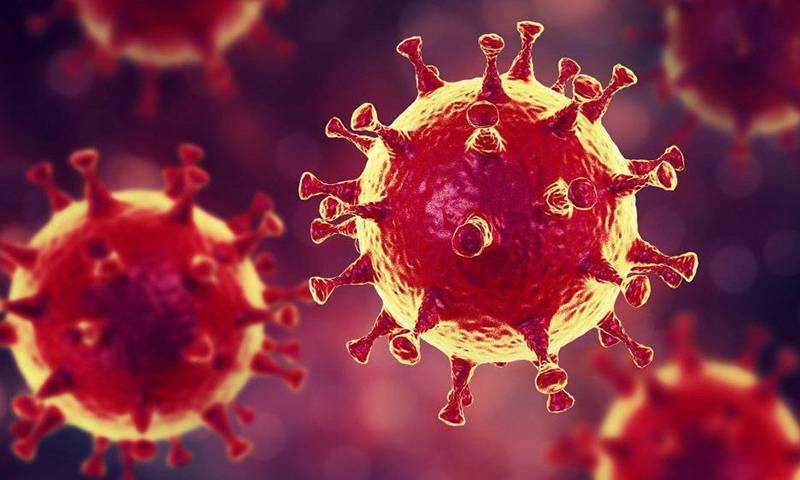
PM Imran Khan is correct to draw attention to the relationship between debt and disease, and IMF might for once shed its vampiric pathology, in some ways similar to the coronavirus itself, by recognizing the exceptional circumstances that humanity faces today.
The writer is the Director for Economics and National Affairs at the Centre for Aerospace and Security Studies (CASS). He can be reached at [email protected].