
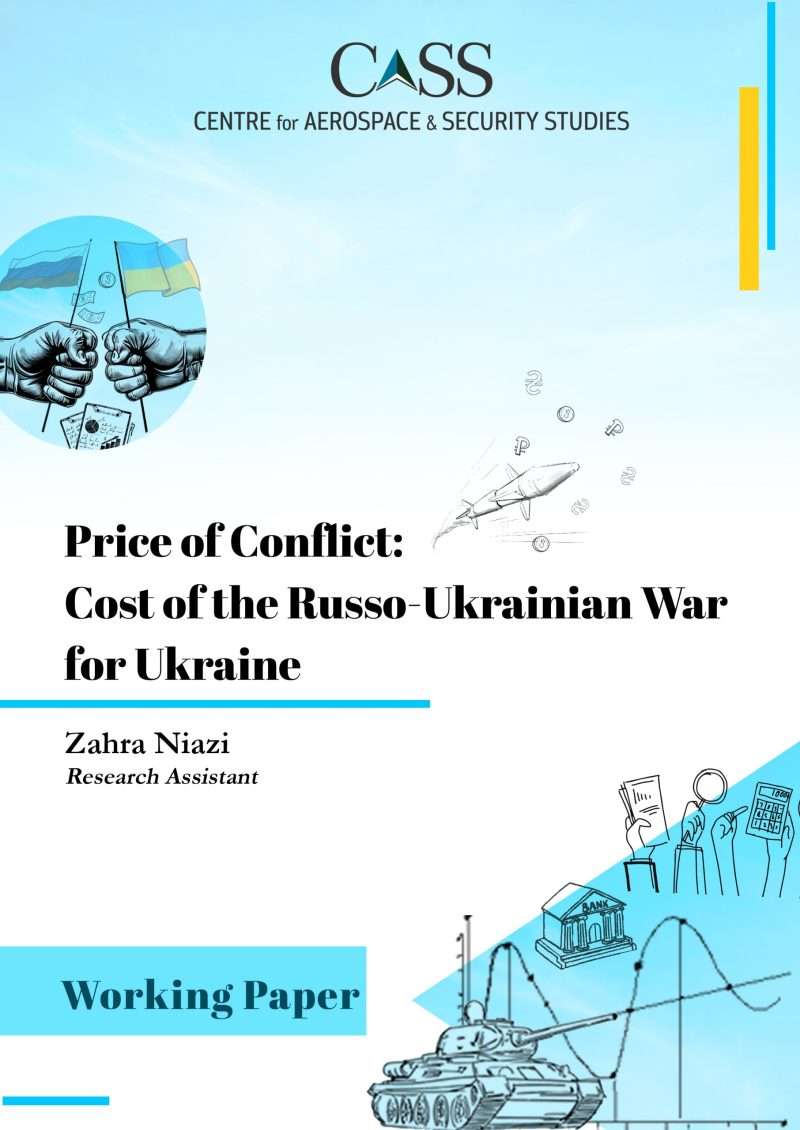
This study assesses the cost of the Russo-Ukrainian war for Ukraine from a financial and economic perspective. From February 2022 to December 2024, Ukraine’s war-related cost is estimated at a minimum of approximately USD 370 billion. This figure includes the costs associated with GDP losses (lower-end estimate), destruction of physical and natural capital, and financial capital losses reflected in declining market capitalisation. To put this into perspective, this is more than the amount (over USD 220 billion) spent on rebuilding Iraq between 2003 and 2014, as well as the amount, i.e., USD 141 billion, spent by the United States government on reconstruction in Afghanistan between 2002 and 2021. The entire cost of Syria’s reconstruction was also estimated to be anywhere between USD 250 billion and USD 400 billion in 2021. Second, Ukraine’s government spending has surged dramatically, with defence expenditures alone rising by an extraordinary 794.6% in 2022. Although any specific expenditure amount cannot be classified as a direct and immediate cost for the Ukrainian government due to the heavy reliance on external budget financing, including grants and loans, during these years, loans have constituted a larger share of external support, reflecting a cost of war deferred to the future. Beyond the debtservicing costs, the country faces other long-term financial commitments, including recovery and reconstruction needs (amounting to USD 524 billion from 2025 to 2035), higher defence spending requirements for a prolonged period, and social security needs to support veterans and war-affected citizens. Only through a lasting peace can Ukraine fully unlock its economic potential and rebuild a resilient and growth-driven economy.
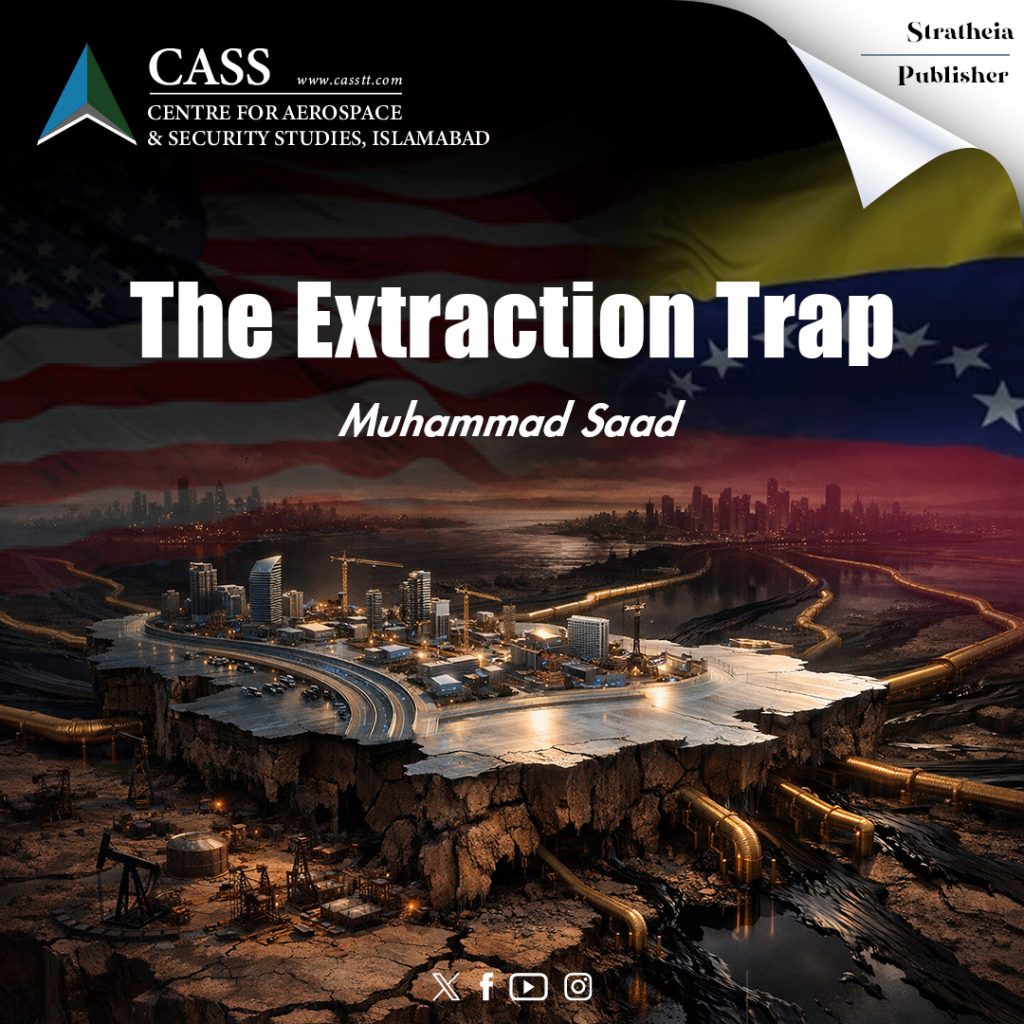
The Extraction Trap
Trump’s declaration to “run Venezuela” after Maduro’s capture is a seeming promise of a sudden cure to Venezuela’s ills. However, it ignores the nation’s terminal diagnosis of a century of plunder. The rhetoric of imminent revival on the basis of the speedy return of international oil capital and the promise of 100 billion US dollars in reconstruction funds made the intervention seem like a unique opportunity.

Future Shield: The Saudi-Pakistan Security Partnership
Although the SDMA does not identify an adversary, effectively functioning as a deterrent, it cannot be viewed in isolation from the Israeli belligerence in the Middle East. Israel’s war against Hamas has expanded beyond the genocide of Gaza; it has bombed the West Bank, Lebanon, Syria, Yemen, Iran, and recently Qatar. Tel Aviv’s campaign under the banners of ‘anti-Semitism’ and ‘terrorism’ has engulfed the whole Middle East in a war-like situation, which has generated new enemies and has deepened the instability of the region.
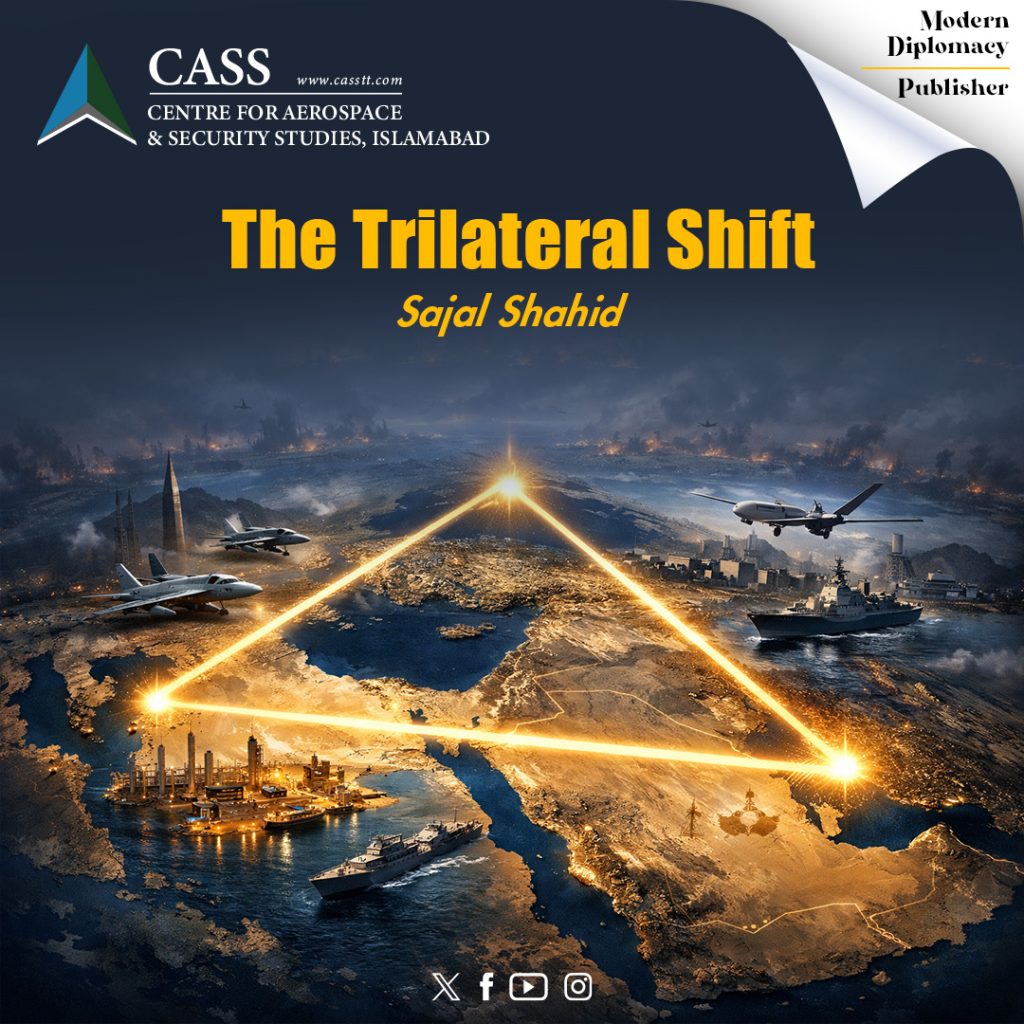
The Trilateral Shift
On 15 January 2026, the Pakistani defence production minister confirmed that an agreement for a new trilateral defence deal between Pakistan, Saudi Arabia, and Türkiye is in the pipeline, other than the Pakistan-Saudi bilateral deal announced last year.
