Background
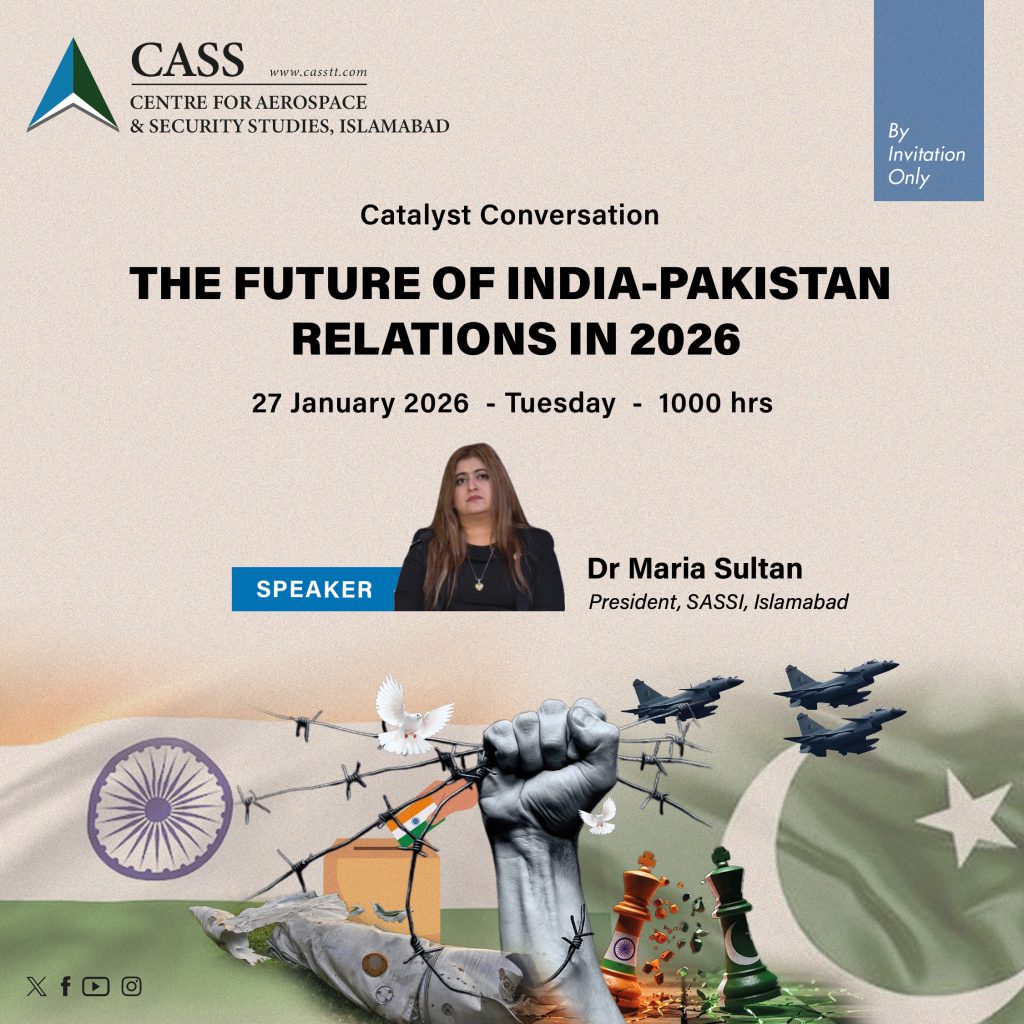
1. The May 2025 crisis between India and Pakistan marks an important chapter in the South Asian context, reinforcing the enduring volatility of one of the world’s most militarised rivalries. The conflict has redefined the regional dynamics and the bilateral relationship between the two states. Although the confrontation was brief, its intensity and strategic signalling underscored the persistent risk of escalation between two nuclear-armed neighbours. The events of May 2025 have contributed to a recalibration of regional security perceptions and bilateral engagement frameworks. Beyond its immediate military and diplomatic dimensions, the crisis has had broader implications for regional stability in South Asia.
2. As both states enter 2026, understanding the post-2025 landscape is essential for anticipating risks and identifying realistic opportunities for stability in 2026 and beyond. The legacy of the crisis continues to influence military postures, diplomatic rhetoric, and domestic political narratives on both sides. The in-house discussion will focus on three key areas: regional stability, security dynamics, and diplomatic engagement. This analysis aims to contribute to policy discussions on conflict prevention, crisis management, and sustainable peace in South Asia.
3. The discussion will address the following questions: –
(a) How has the May 2025 conflict reshaped regional dynamics vis-à-vis India–Pakistan equation and what military developments are taking place in India?
(b) To what extent could electoral pressures in India ahead of the 2026 state elections incentivise military actions by India?
(c) What role will external powers and regional blocs play in influencing India–Pakistan relations in 2026?
(d) Can confidence-building measures realistically resume in 2026, or has the 2025 conflict permanently narrowed the space for trust-based engagement?
(e) What key areas should Pakistan prioritise with regard to its policy towards India in 2026?
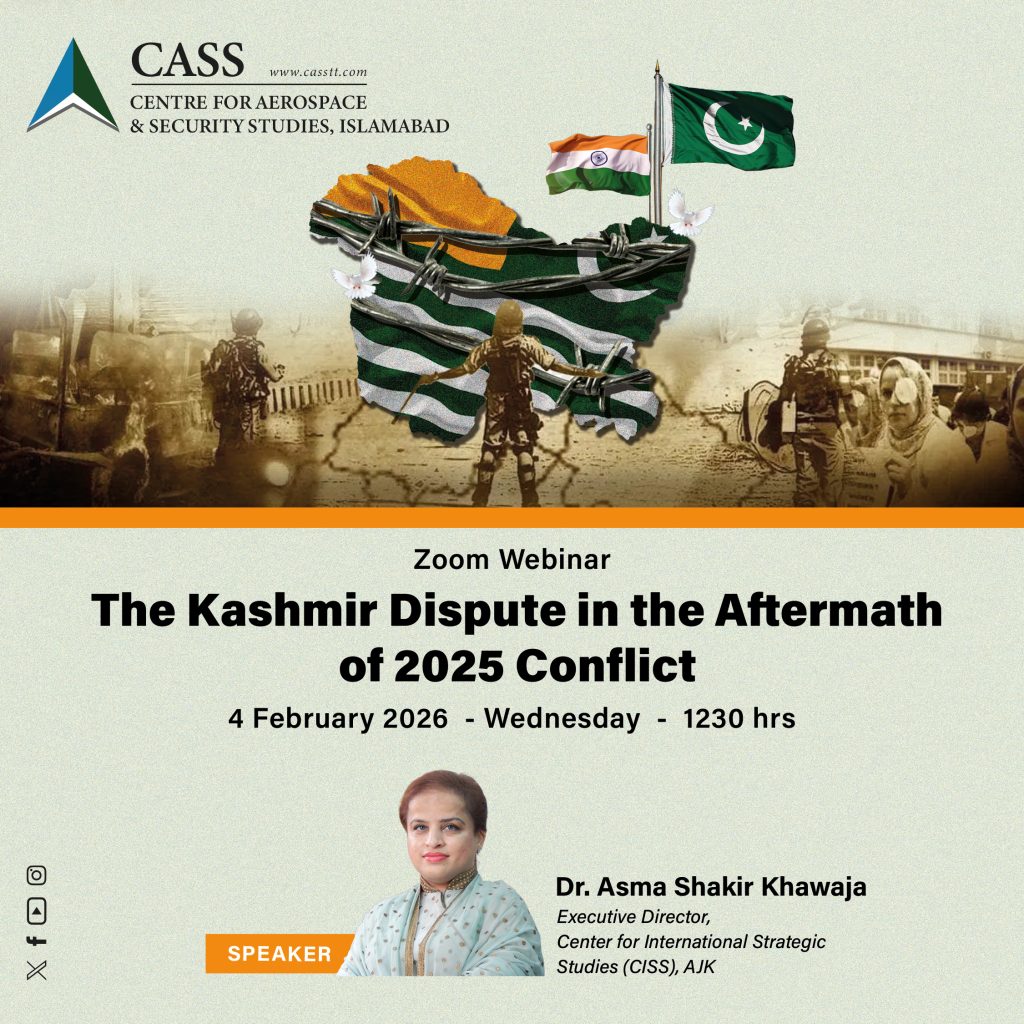
The Kashmir Dispute in the Aftermath of 2025 Conflict
The May 2025 Pakistan–India hostilities once again underscored the centrality of the Kashmir dispute to South Asia’s security and political landscape. The escalation highlighted that