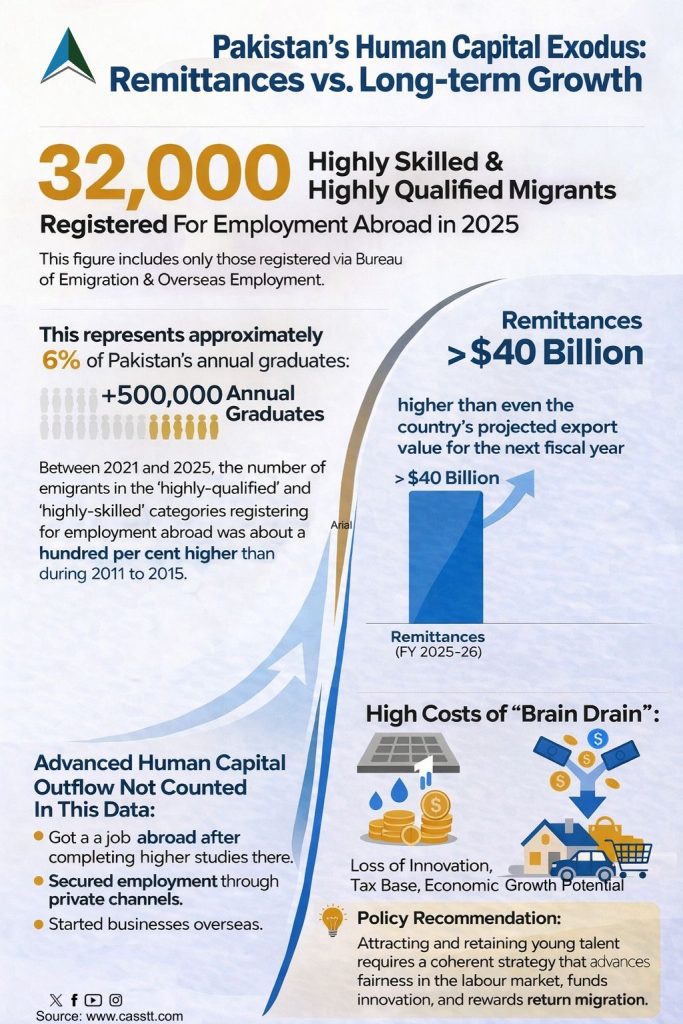
Pakistan’s Human Capital Exodus: Remittances vs. Long-term Growth
Download PDF KEYWORDS: Remittances, Brain Drain, Middle East


Download PDF KEYWORDS: Remittances, Brain Drain, Middle East
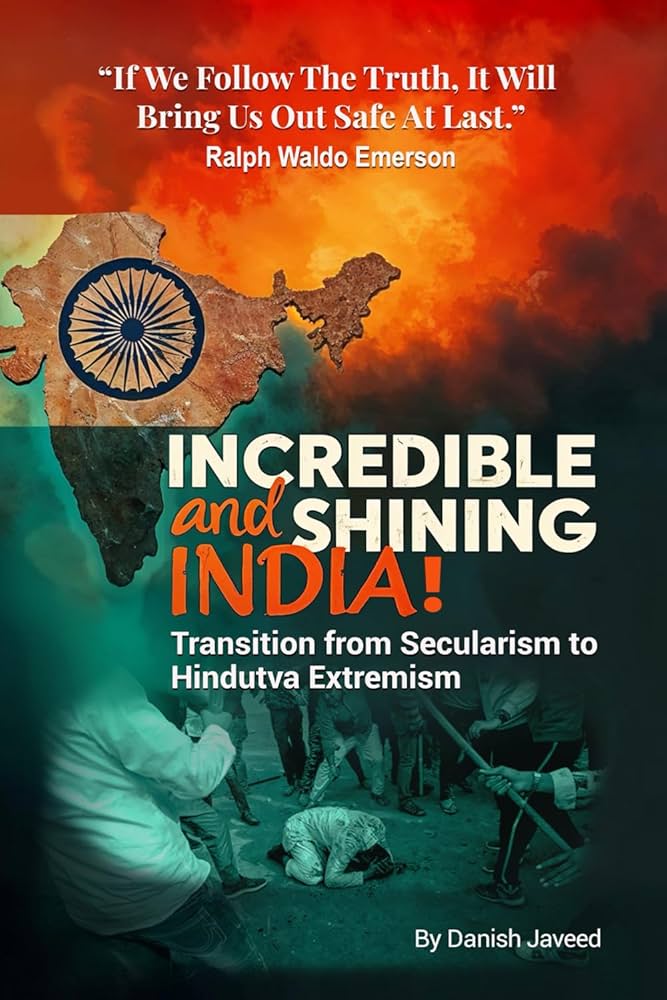
Danish Javeed’s book The Incredible and Shining India! Transition from Secularism to Hindutva Extremism uncovers the gruesome realities that lie beneath India’s projected image as a prosperous nation. It serves as a powerful reminder that human rights atrocities must continue to be documented even long after they have occurred, as the sooner they are forgotten, the greater the risk that they will be normalised.
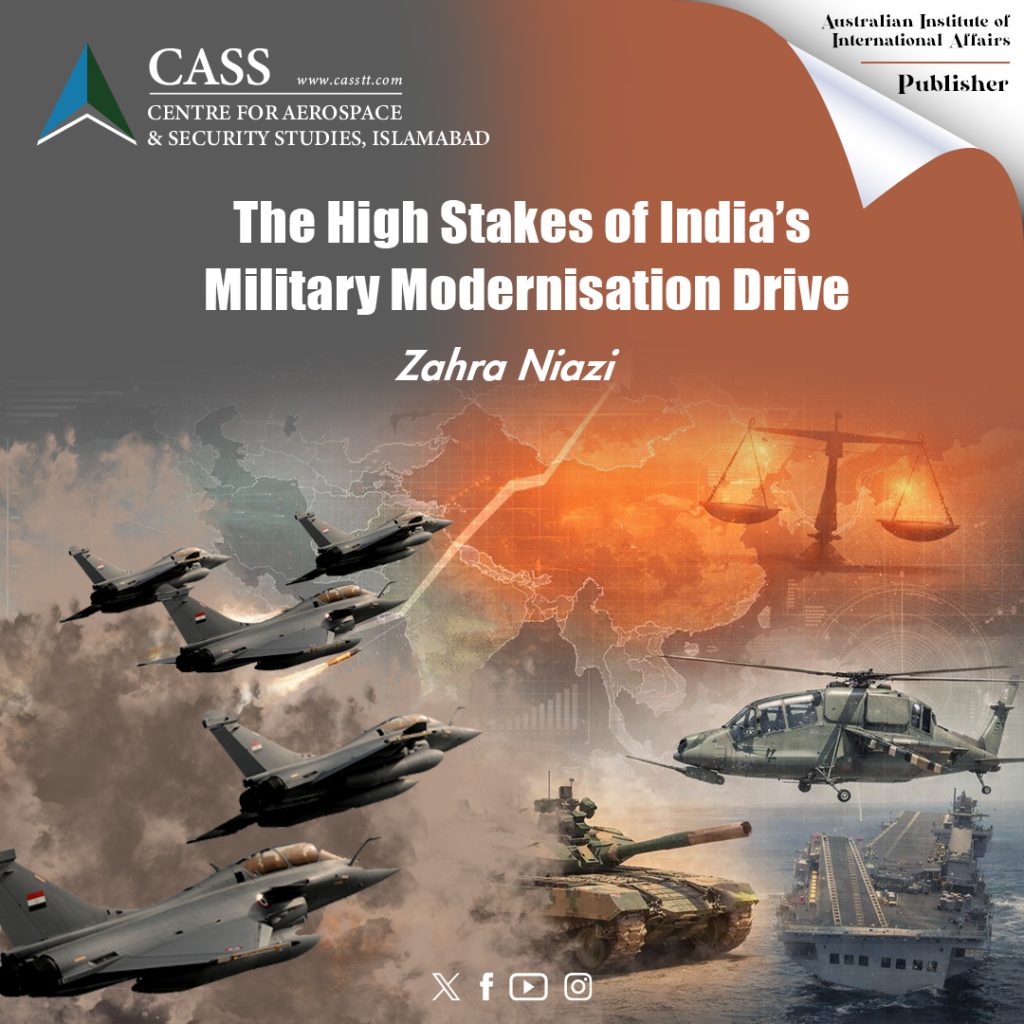
New Delhi’s recent defence budget announcement for fiscal year (FY) 2026-27 represents more than just a budgetary jump; it carries important implications for South Asian stability, warranting closer reflection. The allocation of USD 85 billion to defence, with capital expenditure rising by 22 per cent compared with a 17 per cent increase in revenue expenditure, clearly reflects the government’s prioritisation of accelerated military modernisation over routine operational sustainment.
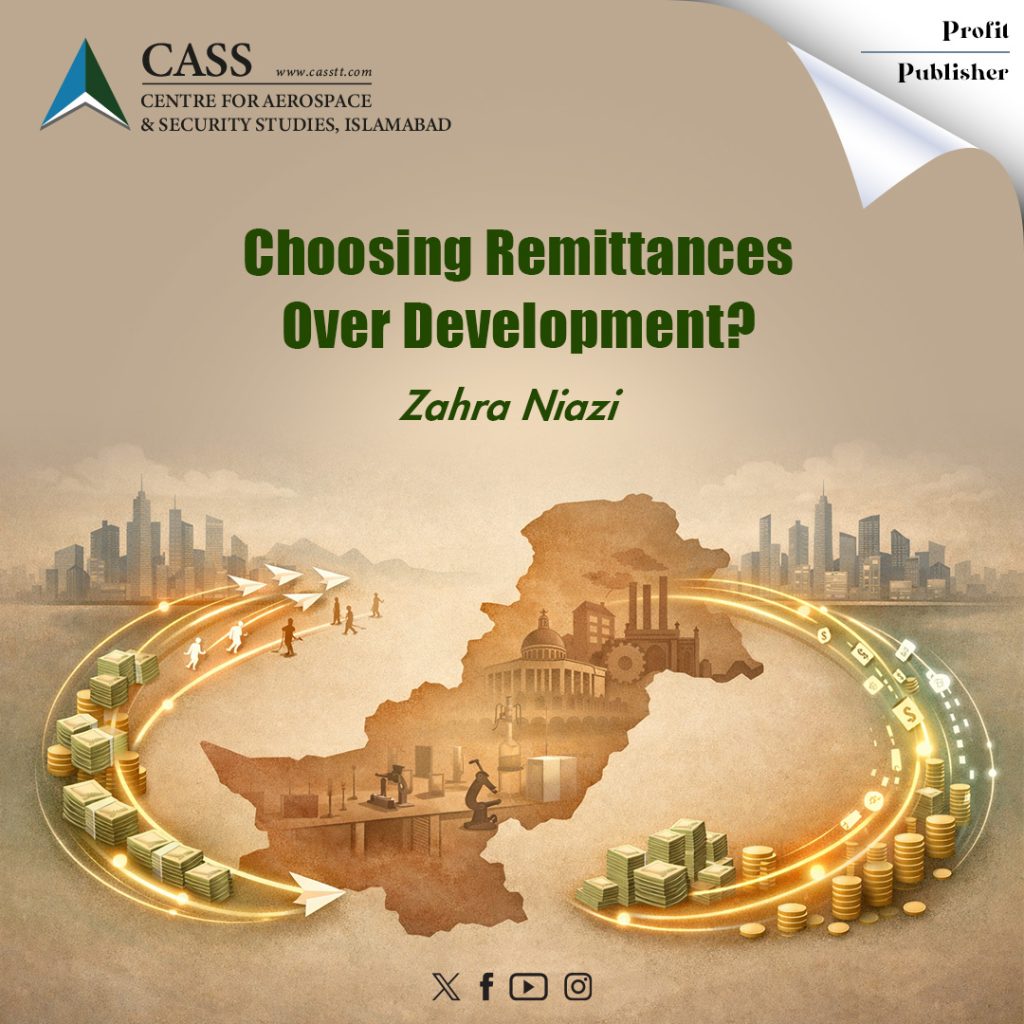
In 2025, according to governmental data, around 32,000 highly-skilled and highly-qualified Pakistanis registered for employment abroad, equivalent to roughly six per cent of the country’s half a million annual graduates. This number, too, represents only a part of the exodus of Pakistan’s advanced human capital nurtured in the country and now being absorbed into foreign economies.
From the congested slums of Mumbai to the neglected neighbourhoods of Delhi, where the poor struggle to survive each day, the widely-documented ground realities in India have long reflected the country’s weak social and human development conditions. Its ranking of 130ᵗʰ on the Human Development Index (HDI) further speaks of these realities. Against this backdrop, the government has relied heavily on headline GDP figures to project a narrative of prosperity, but growing evidence suggests that this part of the narrative, too, may have been based on overstated numbers

India is set for a high-stakes electoral battle as Bihar heads to the polls on November 6 and 11 – a contest that could serve as a key test of Modi’s militarised electoral strategy.
