The war in Ukraine and the resultant rise in global energy prices once again demonstrated the high vulnerability of Pakistan’s economy to external shocks, given its excessive dependence on energy imports, which currently account for around 85% of the country’s fuel requirements. According to statistics, rising energy import costs have primarily driven Pakistan’s widening trade gap to 70.14% in the first nine months of the current fiscal year. In March ’22 alone, the import bill reflected a 10% increase compared to March ’21, with rising global oil prices being one of the contributors.
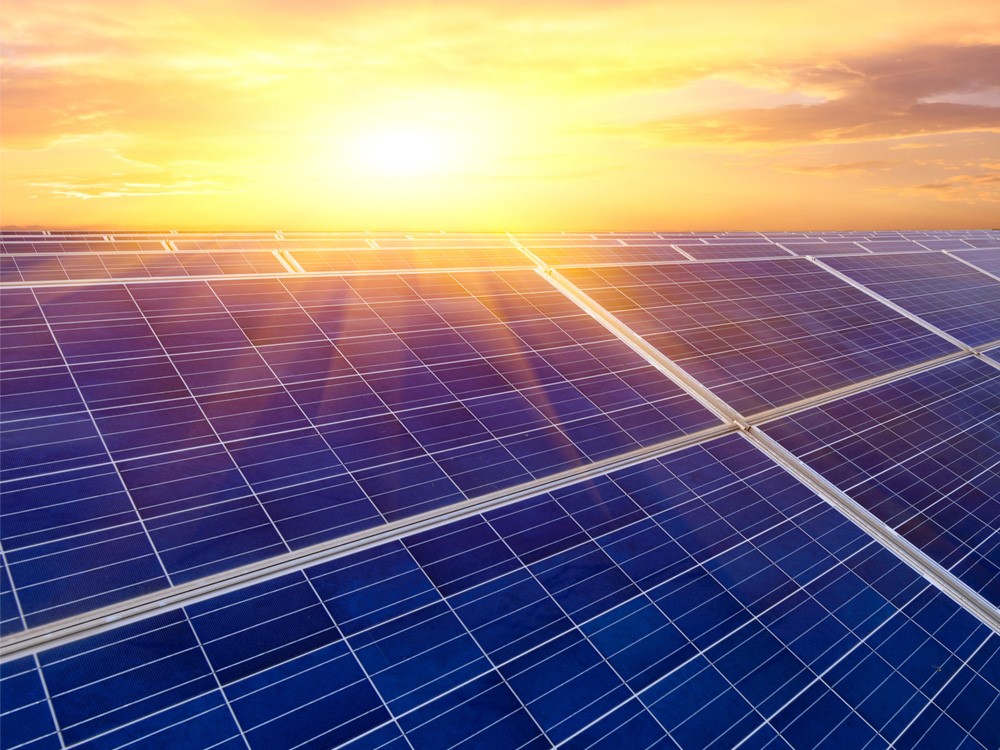
Pakistan’s excessive dependence on energy imports is unfortunate especially given the country’s vast renewable energy potential, including solar energy. The country receives approximately 1KW of solar energy per square meter of its landmass for 6-7 hours on average per day. The World Bank has highlighted that Pakistan could meet its current electricity demand by exploiting ‘just 0.071% of its area for Solar Photovoltaic (PV) energy generation.’ However, this enormous potential remains underexploited. This can be assessed by the fact that solar energy contributed a meagre 0.5% to the power generation mix during the first seven months of the current fiscal year (7MFY’22). Moreover, the year-on-year data shows a slight increase of 1.1% in power generation through solar energy during 7MFY’22 compared to 7MFY’21.
Given the above-mentioned context, the question remains as to ‘how’ Pakistan can exploit its status as a high insolation country and accelerate the contribution of solar energy, especially given that it has been struggling to fund large-scale solar power plants. An important area for harnessing solar power under these circumstances is solar photovoltaic (PV) panels-based microgeneration and uptake of net-metering connections.
Microgeneration refers to the small-scale production of energy from a renewable source by small businesses, individuals, and communities, while a micro-generator can allow adopters (users) to sell their surplus power back to the electricity utilities. This transfer of excess electricity between the microgeneration adopter/user and the grid requires net metering (a billing mechanism that credits the owners for the electricity added to the grid) and is vital to realise the full benefits of microgeneration. Moreover, of microgeneration technologies, solar PV systems have an added advantage as they operate for an extended period, have very low maintenance, and do not wear out or require lubrication.
Microgeneration and net-metering have multiple benefits such as reducing fuel imports and fuel poverty, limiting dependence on fossil fuels, and reducing electricity bills for the adopters/users, among others. Thus, it is no surprise that the global uptake of microgeneration, in particular of solar PV, has been rising since the beginning of the 21st Century, and microgeneration is considered the future of energy generation.
In South Asian countries, the potential of microgeneration and net metering has also been making headway. For instance, Bangladesh is currently producing 415.068 MW of electricity through solar energy, with 41.766 MW being contributed by rooftop solar power, except Net Energy Metering, and 16.207 MW is being contributed by rooftop solar power via net metering. Likewise, Sri Lanka generates 341 MWs from solar power, with the country having 31,200 solar power systems owned by individual households also contributing to it.
Similarly, PV systems have been rapidly penetrating the market in recent years in Pakistan. Pakistan’s solar energy market is forecasted to record a Compound Annual Growth Rate(CAGR) of above 2.5% from 2022 to 2027. Moreover, according to the National Electric Power Regulatory Authority (NEPRA), uptake of solar power net metering connections has also been on the rise. Reports suggest that net metering connections resulted in a 63% increase in Islamabad Electric Supply Company’s (IESCO) power generation in January-August 2021. NEPRA has also revealed that residential consumers have been adding electricity to the grid since the launch of net metering regulations. According to the Alternate Energy Development Board (AEDB), 16,639 applications for net metering of on-grid solar connections were received by all distribution companies by 31 July 2021, representing a combined capacity of 314 MWs.
Nevertheless, the small contribution of solar energy to the power generation mix and an increase in the volumetric demand for petroleum products suggests that the area of solar PV-based microgeneration and the supply of excess power generation to the grid still requires a considerable amount of push through supportive measures. First, the adoption of solar PV in local settings must be facilitated by lowering the cost associated with the initial investment. In recent months, a 20% tax on the import of solar panels and associated products was announced in the IMF-mandated mini-budget. Thus, progress on numerous solar power projects was halted. Tax exemptions must also be reinstated. Additionally, Pakistan has announced unveiling locally produced solar panels. This local production needs to be accelerated. Consumer interest in solar PV technologies should be encouraged through increased promotional content disseminating the benefits of solar microgeneration. Agencies, including NEPRA, have already been increasing awareness about net metering, and the latter recently allowed single-phase, not just three-phase, meter users to apply for net meters. It is important that any financial barrier associated with net metering uptake is also addressed through incentives, such as subsidised loans.
All in all, solar microgeneration holds immense potential. If Pakistan can fully exploit this area by implementing government supportive measures, it can go a long way in increasing energy security at the micro- and macro-level.
Zahra Niazi is a researcher at the Centre for Aerospace & Security Studies (CASS), Islamabad, Pakistan. She can be reached at [email protected].