
Operational Art is defined as ‘the application of creative imagination by commanders and staff—supported by their skill, knowledge, and experience—to design strategies, campaigns, major operations and organise and employ military forces.’ It is often referred to as a ‘bridge between strategy and tactics’ with a function of making tactical actions serve strategic objectives. Though, an important subject, operational art, surprisingly, has not been a regular topic of discussion in airpower literature. Additionally, there is also a tendency to explain ‘air operational art’ using the lexicon of land warfare. This often creates more misunderstanding, given the specific attributes and features of airpower. Air operational art, thus, needs more exploration and study, within the context of airpower theory. This paper is directed to this end.
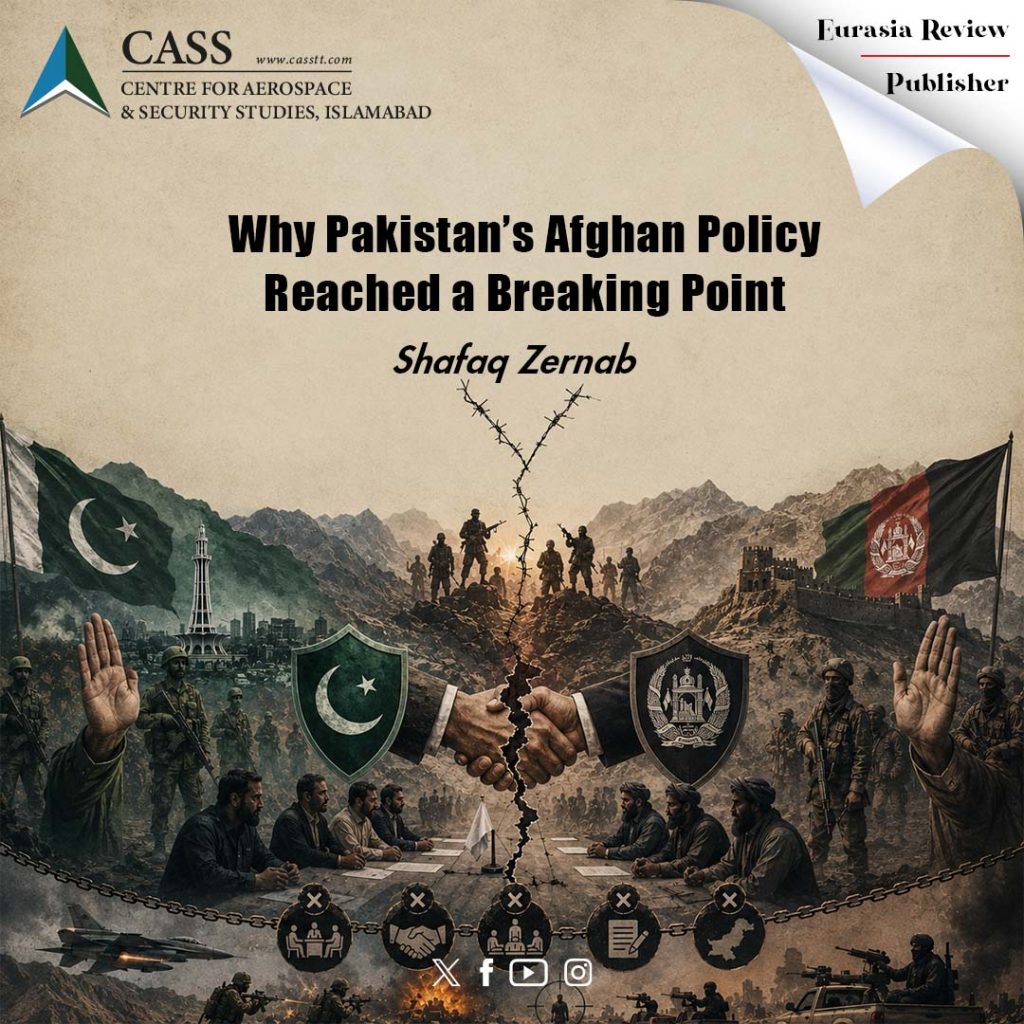
Why Pakistan’s Afghan Policy Reached a Breaking Point
The ongoing war between Pakistan and Afghanistan is the result of a gradually worsening security situation along the Durand Line rather than a sudden strategic shift. The core issue was not the absence of dialogue, but its inability to deliver binding results to the foremost security concern of for Pakistan: the use of Afghan territory by militant groups to attack Pakistan. When Pakistan in response switched to cross-border strikes in February 2026, the state had already gone through several years of attempted accommodation without securing any meaningful restraint from the Tehreek-e-Taliban Pakistan (TTP) by Kabul.
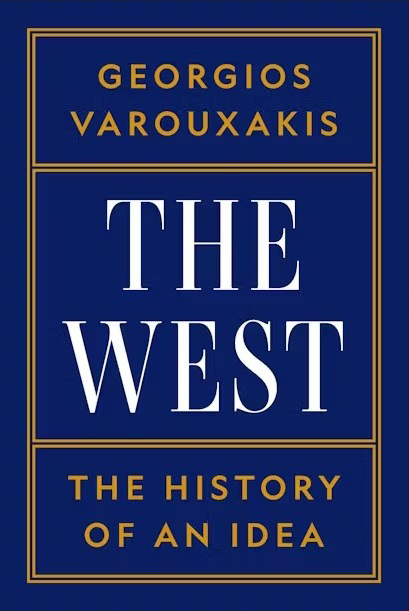
The West: The History of an Idea
The world is witnessing the collapse of the Western order, if not the emergence of an alternative one. The idea of ‘West’ as against the rest is still at the root of contemporary understanding of world politics. Georgios Varouxakis, a remarkable voice on Modernity and Nationalism, has provided the historical origins and modern connotations attached with the idea of ‘West’. In his book ‘The West: The History of an Idea’, Varouxakis has argued that the West is not an eternal entity, rather it is a modern socio-political construct that emerged in the political philosophy of the early 19th century and evolved with the passage of time. The book provides an in-depth historical analysis of the idea to determine the roots of its modern interpretation.
