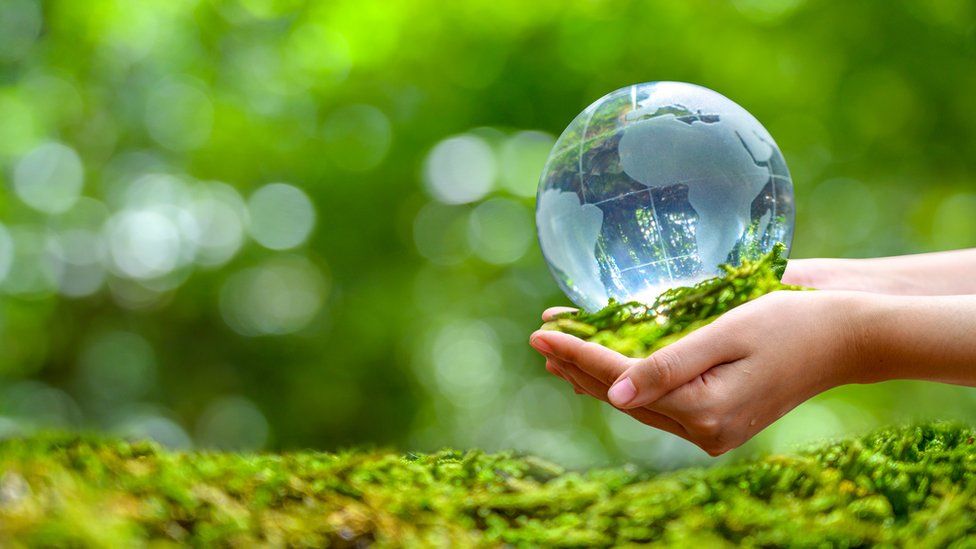
Climate change has emerged as one of the major threats of the 21st Century. It’s impacts are already being widely observed in different regions of the world. These include melting glaciers, rising sea levels, intense heat waves, shifting weather patterns, decreasing crop production etc. which are having adverse effects on our environment, economy, agriculture and human security.
Climate change is not only causing disruptive consequences at the global level, its impacts are especially dire for the developing world which is more vulnerable raising serious concerns for countries like Pakistan. Pakistan is the only country in the world which has 12 ecological zones. Hence, it faces multitude of problems related to climate change with melting glaciers in the north to rising sea-levels in the south.
The country is ranked as the eighth most vulnerable on the Global Climate Risk Index by the German think tank, Germanwatch. What is even more concerning is that it is among those the 3 countries which have been consistently present in the top 10 of the list. This Index also suggests that Pakistan’s vulnerability to climate change will continue to rise given that over the last 20 years, around 152 weather-related disasters have taken place here.
It is worth noting that the impacts of climate change are not limited to the environment only rather they are multifaceted and adversely affect other domains as well. Increasing greenhouse emissions have a significant impact on the weather patterns which influence the rainfall/ monsoon season in South Asia. The shifting rain patterns affect the yield and the quality of crop production in an adverse manner which implies that it will impact our food security. has been projected that crop production in Pakistan will decrease by 10% by the year 2040 owing to higher temperatures and less rainfall. Likewise, 6% decrease in wheat yield and 15-18% decrease in rice yield is expected around 2080. The livestock sector is also being impacted by increasing temperatures which affect their thermal comfort zone leading to reduced output from this sector.
Climate change will also impact our water security. Melting of the northern glaciers will increase the quantity of water in the Indus water system which is likely to decrease the water storage capacity of the water reservoirs leading to massive flooding. Rising sea levels could threaten the southern areas, particularly around Karachi as well as the entire coastline. Gwadar and the coastal highway also fall in the areas which are highly vulnerable. More droughts are expected as a consequence of climate change due to several reasons. Firstly, melting of glaciers will overtime reduce the amount of water flowing into our waterbodies. Secondly, our water table levels will be adversely affected by changing rainfall patterns which are likely to be high in magnitude but low in frequency in the future. Additionally, rising temperatures will also increase both demand and evaporation of water. All these factors will compound our water-related issues and will affect our agricultural output.
Given that Pakistan is an agricultural country, its economy will be affected both at micro and macro levels. The economy will also be impacted because of government’s compulsion to counter the damage which is likely to take place due to shifts in the climatic conditions. Pakistan has already lost 0.52% per unit of its GDP due to climate change. As per the Economic Survey of Pakistan 2020 , between 1999 to 2018, Pakistan had to suffer an economic loss of $3.8 billion due to various problems related to climate change. It is estimated that Pakistan might be compelled to spend as much as 3-4% of our GDP to address this issue which will be a huge challenge for future governments.
Taking into account all of the above aspects, we can infer that the shifting global climate is going to impact every sector of life and is a major threat to our national security. Climate change is linked with nearly all the aspects of human security, therefore, it should be treated as our top priority. The government needs to start taking concrete measures with regards to identifying vulnerable hotspots, improving water conservation, increasing water storage capacities and exploring alternate energy sources. It also needs to look into monitoring of melting glaciers, employing modern technologies to increase agricultural yield, expanding the scope of forestation and developing green infrastructure. Lastly and most importantly, it is our individual responsibility to take measures which may be small but meaningful for this cause. We must be aware of the fact that now is the time to play our due role as responsible citizens and contribute to foster a healthy and sustainable environment for our future generations.
Shaza Arif is a Researcher at the Centre for Aerospace & Security Studies (CASS). She can be reached at [email protected]
Image Source: Rowlatt, Justin. ” Why 2021 could be turning point for tackling climate change,”BBC, 1 Jan. 2021, https://www.bbc.com/news/science-environment-55498657