Concept Note
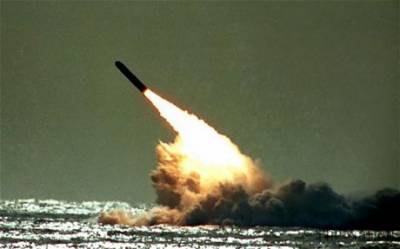
It’s been more than two decades since India and Pakistan formally declared themselves as nuclear weapon states. Both countries are improving their deterrence capabilities with India trying to emerge as a global power, while Pakistan focussing to deter conventional and nuclear aggression from its larger eastern neighbour. The nuclear weapons have played important role in various crises between the two South Asian adversaries, since the nuclearization of the region in 1998, and would most certainly shape the scope and intensity of the future crises as well. India and Pakistan being energy deficient countries are also expanding their capacities by building more nuclear power plants (NPPs). While India has been granted a waiver from the Nuclear Suppliers Group (NSG); Pakistan on the other hand, has been denied any such concession by the nuclear cartel that regulates all civil nuclear trade.
To review the nuclear related developments of the past over two decades and to understand the future trajectories, the Centre for Aerospace and Security Studies (CASS) is organizing a webinar, where experts will offer their respective perspectives, identifying challenges and prospects for the future.