
The history of Pakistan and India is marred with enduring rivalry. In the last seven decades, the two neighbours have been embroiled in full-fledged wars and limited conflicts. With a Hindutva-inspired regime in power for nearly a decade, an aggressive anti-Pakistan narrative has been a key facet of its policy framework. The findings of this research reveal that the ruling Bharatiya Janata Party (BJP) benefits from this anti-Pakistan narrative and military adventurism. These activities help flare up nationalist sentiments, divert attention from critical domestic issues and materialise into favourable outcomes in elections. With General Elections in India in 2024, there is an increased likelihood that the Indian leadership may seek to leverage its political standing by taking military action aimed at Pakistan as it has done in the past. These manoeuvres could significantly undermine future bilateral relations and threaten regional stability. In such a context, Pakistan must remain cognizant of these trends and be prepared to address any threats that may arise due to aggressive Indian behaviour.
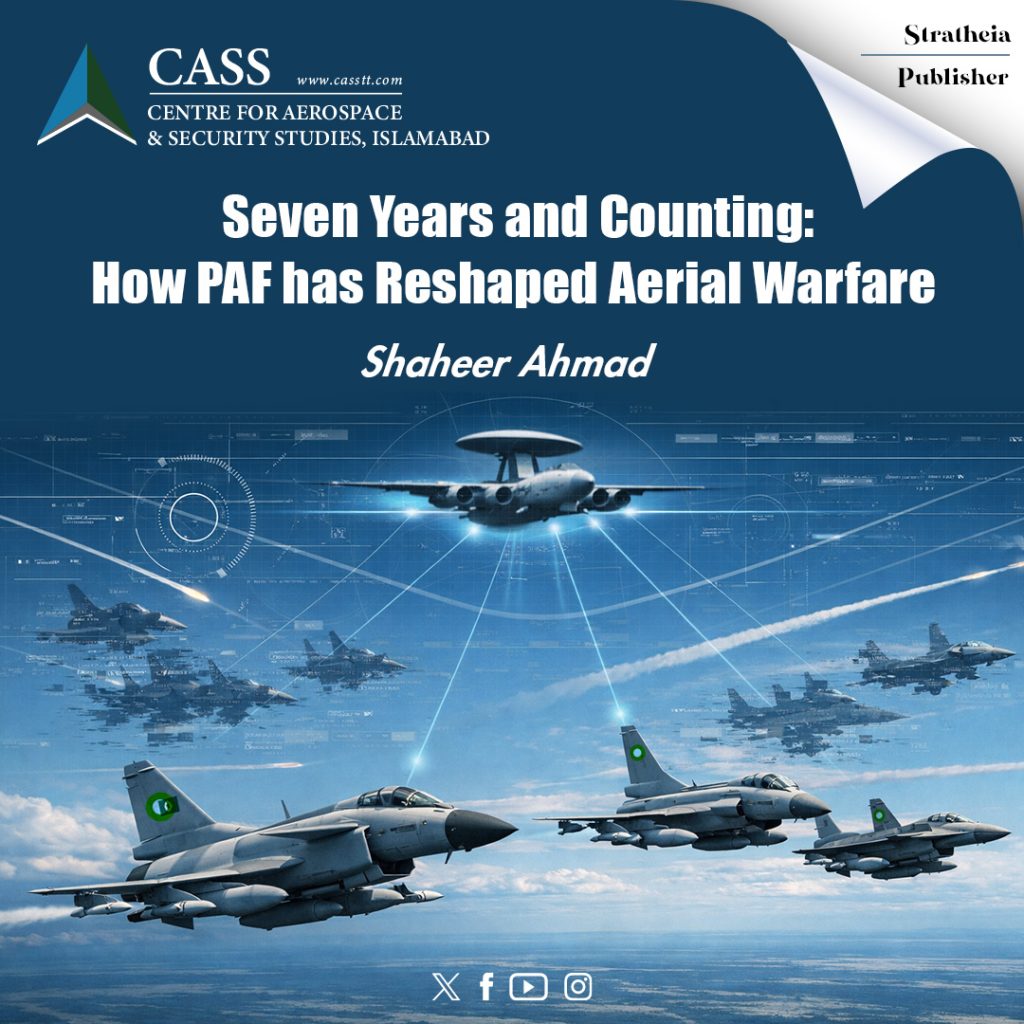
Seven Years and Counting: How PAF has Reshaped Aerial Warfare
‘What all could have happened if we had Rafale?’ This statement by Indian Prime Minister Narendra Modi surfaced after the 2019 India-Pakistan aerial showdown. The Indian Air Force’s (IAF) failed airstrikes near Balakot met a swift broad daylight response by the Pakistan Air Force (PAF) under Operation Swift Retort.
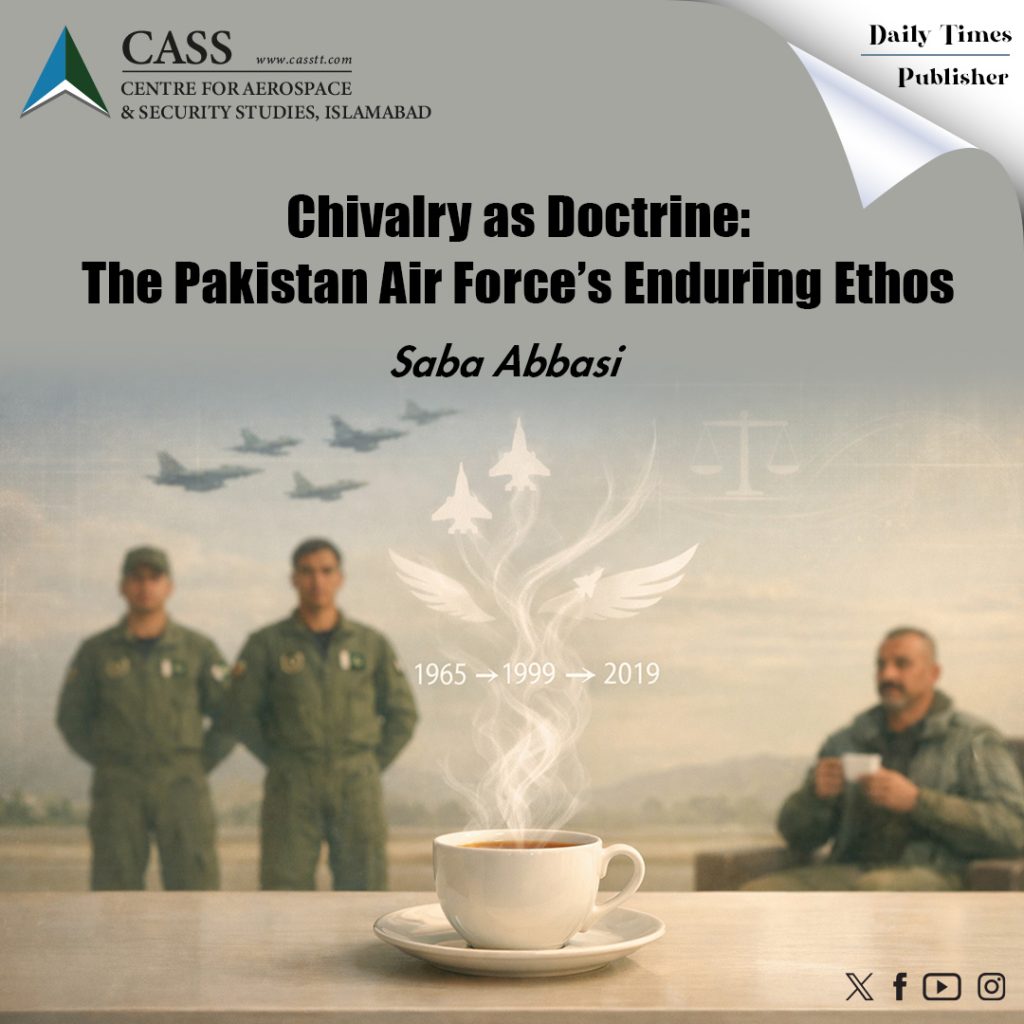
Chivalry as Doctrine: The Pakistan Air Force’s Enduring Ethos
Operation Swift Retort was the first time in decades since 1971 that the air forces of India and Pakistan were pitched against one another. It’s been seven years since the incident, but the memory of a captured Indian fighter pilot sipping tea on national television remains vivid to this day.
The Space of the World: Can Human Solidarity Survive Social Media and What If It Can’t?
Two to three decades ago, humanity committed an enormous mistake. We handed over the design of our social world to business, something we should have never done. Is it too early to rectify this mistake? Nick Couldry who is a professor of Media, Communications and Social Theory at the London School of Economics and Political Science, in his book, The Space of the World, asks the similar question.
