Shaza Arif

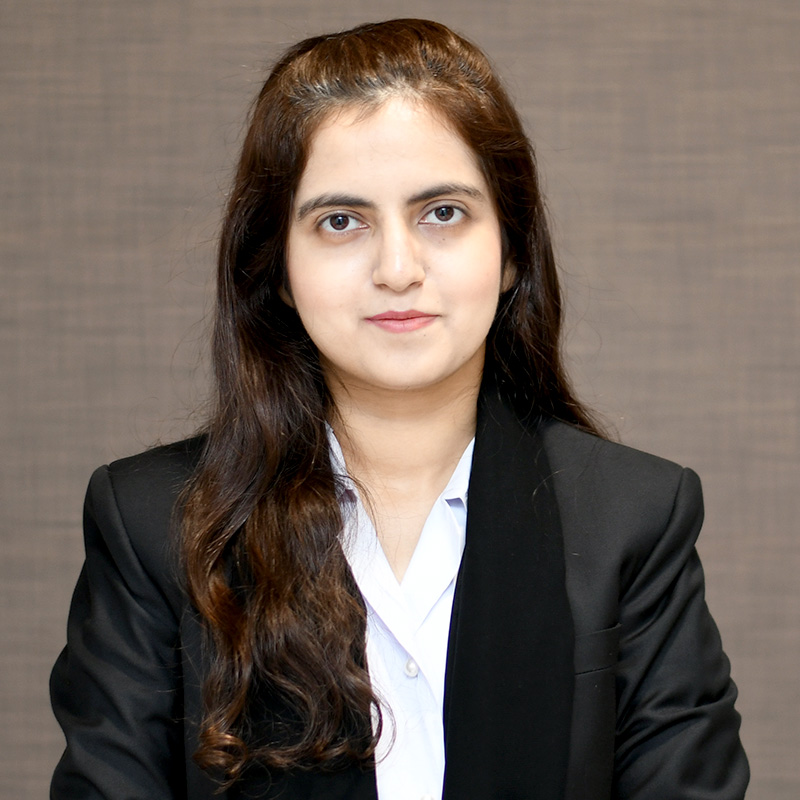
Senior Research Associate

Shaza Arif

Shaza Arif

Professional Experience

Shaza Arif serves as a Senior Research Associate at the Centre for Aerospace & Security Studies (CASS) in Islamabad. Shaza Arif serves as a Senior Research Associate at the Centre for Aerospace & Security Studies (CASS) in Islamabad. Ms Arif’s expertise spans National Security & Strategy, Defence Modernisation, Nuclear Security, and Artificial Intelligence. She has made her mark by participating in various international conferences and workshops, including those at Stockholm International Peace Research Institute in Sweden, Durban University of Technology in South Africa, Tsinghua University in China, and the Royal Scientific Society in Jordan. Furthermore, she has collaborated with the British American Security Information Council (BASIC) on the Nuclear Responsibilities Project and various Policy Cycles. She currently serves as a Board Member for BASIC’s Emerging Voices Network (EVN). Her insights are frequently featured in both domestic and international newspapers and journals, underlining her contributions to her fields of study. She has completed MPhil in Public Management from Fatima Jinnah Women University, Pakistan, after having graduated with distinction in BSc (Hons) Defence and Diplomatic Studies from the same university.

Publications

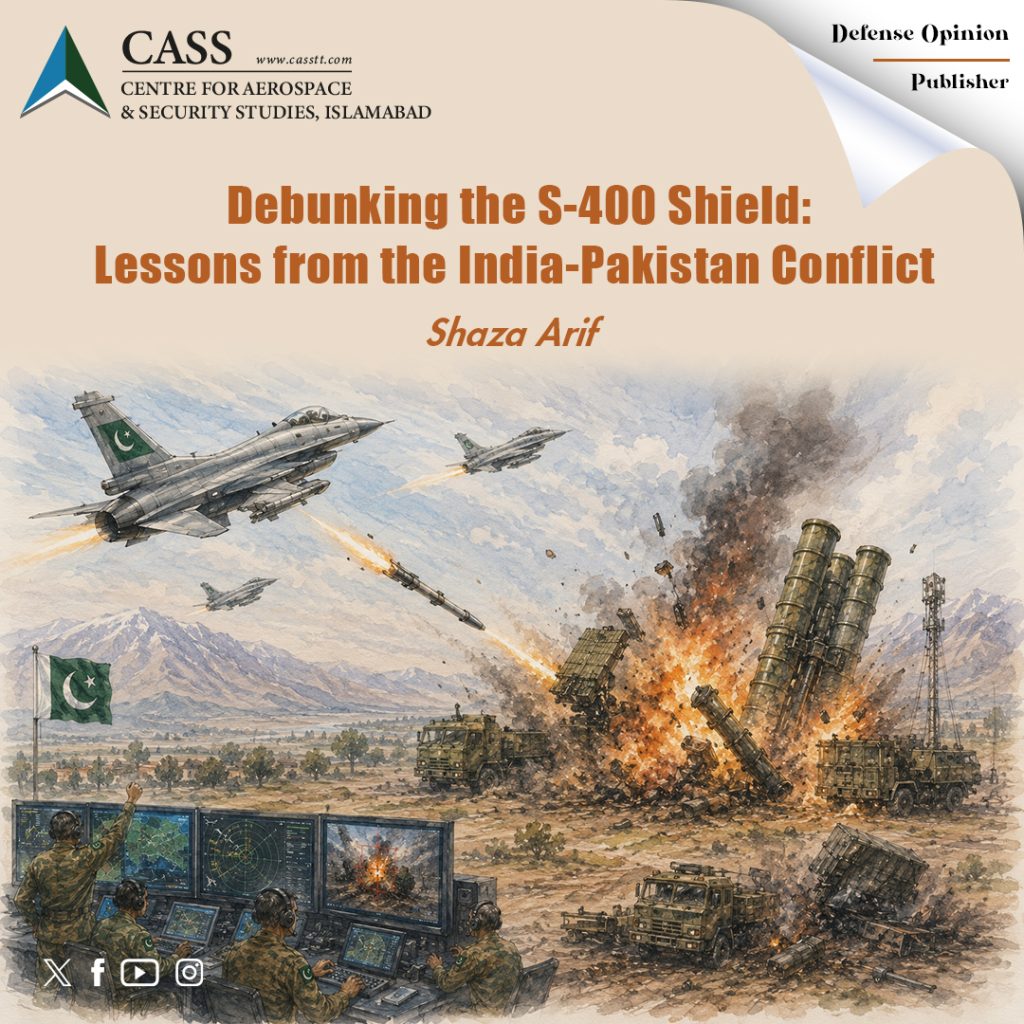
Debunking the S-400 Shield: Lessons from the India-Pakistan Conflict

Air defense has always been a central aspect of warfare. In South Asia, the phenomenon carries immense significance due to compressed reaction times. In this context, one of the most-hyped systems is the Russian-made S-400, touted by New Delhi as a one-stop solution to counter aerial threats from both Pakistan and China.
The 2025 conflict between India and Pakistan marked an important chapter in testing the S-400 technology. The conflict began on May 7, when India attacked what it alleged were terrorist targets in both Pakistani-held Kashmir and Pakistan proper, using drone and missile strikes. The conflict lasted for four days, culminating in a U.S-facilitated ceasefire. However, the brief conflict debunked a lot of the myths regarding the S-400 technology.
First, India claimed that the mobile S-400 would be able to control Pakistan’s airspace. In contrast, Pakistani aircraft continued to operate freely, according to official briefings by the Pakistani military. Although the Pakistan Air Force (PAF) aircraft were in their own airspace, they were still within the air defense range.
Read More »

Governance in the Age of Artificial Intelligence: Exploring the Impact on Transparency, Accountability and Rule of Law

Artificial Intelligence (AI) has diverse potentials. The increasing use of AI makes it imperative to examine its impact on an important societal aspect — Governance. The paper uses three UN-proposed indicators of good governance: i. transparency, ii. accountability and iii. rule of law to assess the potential impact of AI in future governance. The research uses qualitative research design based on open-ended semi-structured interviews with AI experts to study the expert opinion on the subject.

Read More »

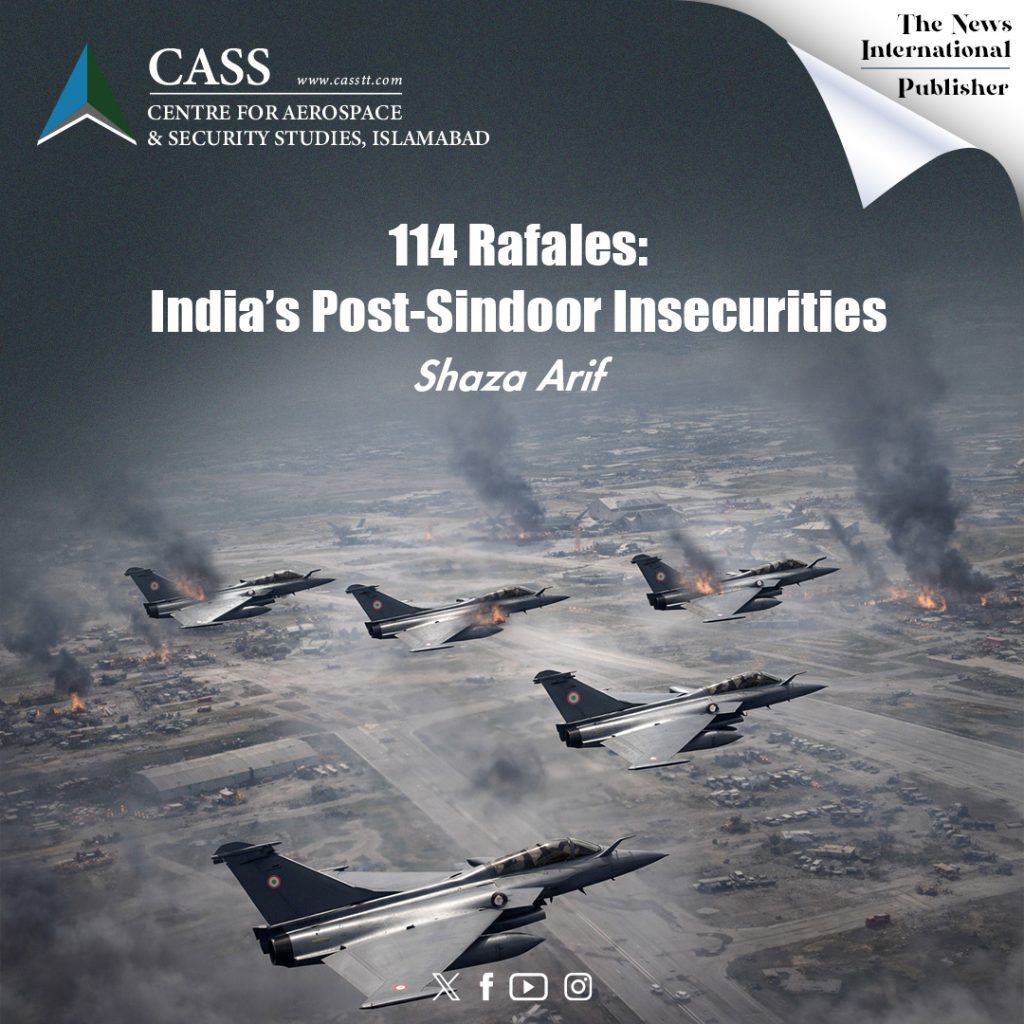
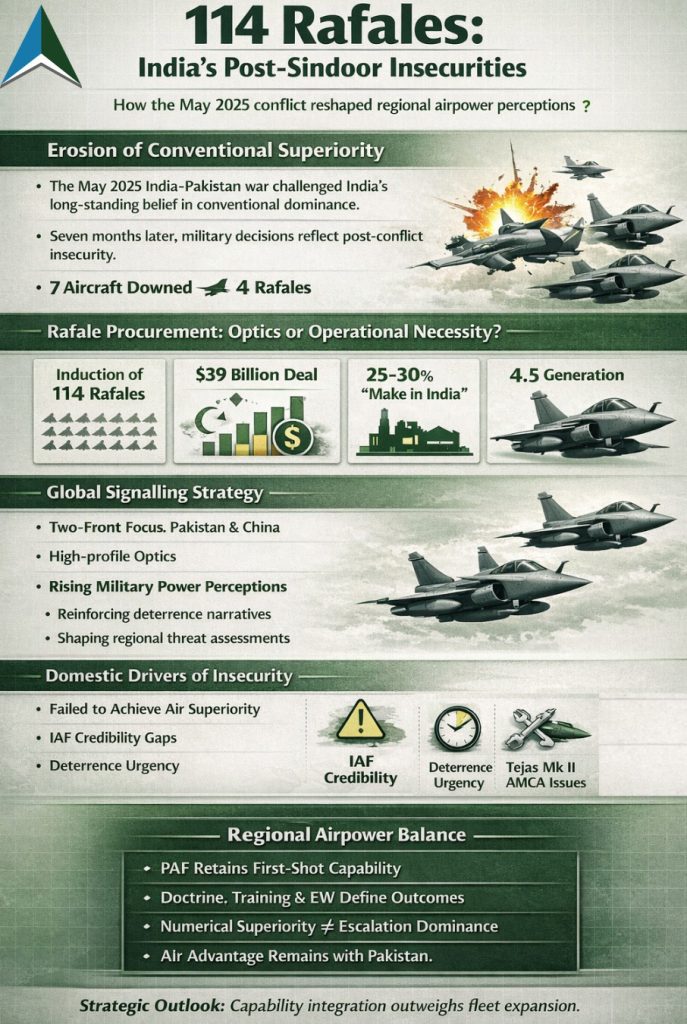
114 Rafales: India’s Post-Sindoor Insecurities

The May 2025 India-Pakistan war played a pivotal role in eroding India’s long-standing notion of conventional superiority. Seven months ahead, the echoes of the conflict continue to shape military choices. The post-crisis environment shows predictable trends, marked by sabre-rattling via hawkish statements by the civil and military leadership, followed by military procurements. Most recently, India has signalled a mega aircraft deal, with the announcement of the induction of 114 Rafales.

Read More »

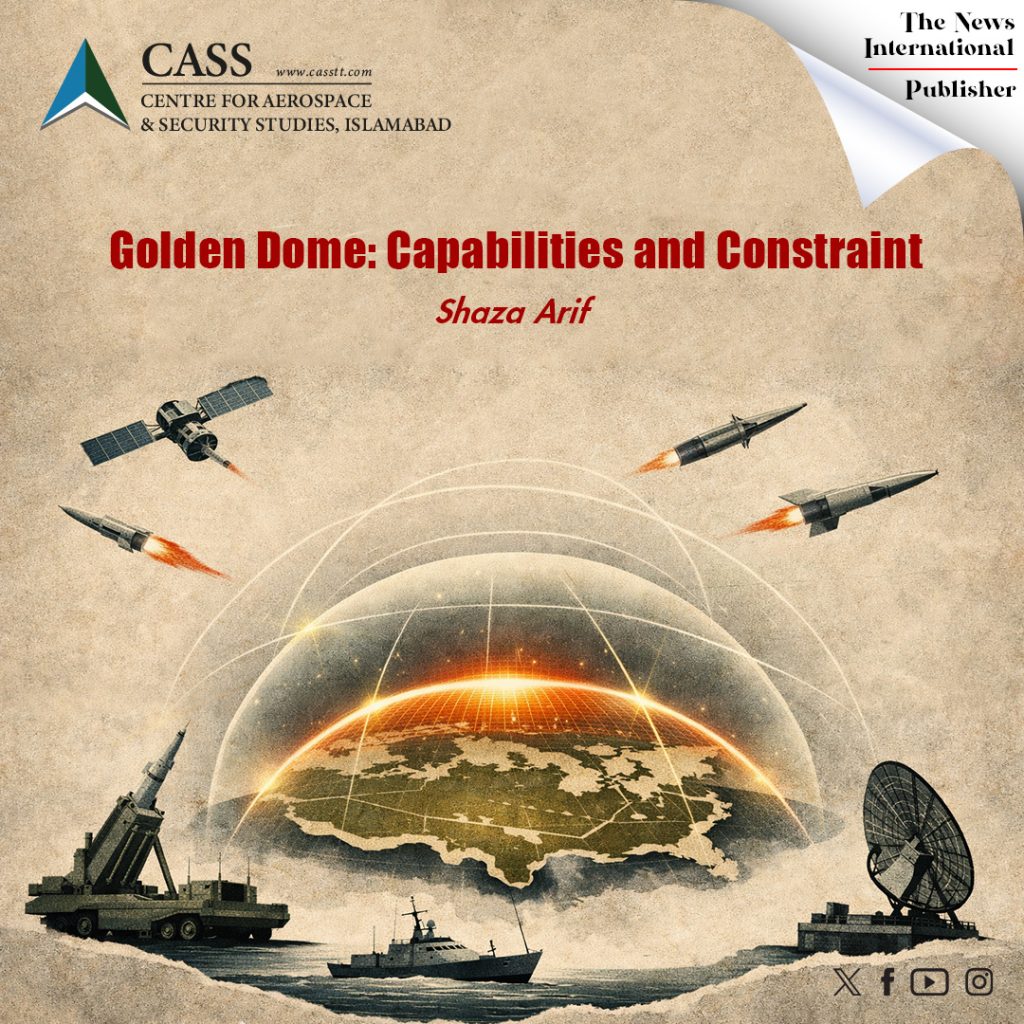
Golden Dome: Capabilities and Constraints

In an era of novel threats, a layered defensive shield is once again at the centre of US strategy. The announcement of the Golden Dome by President Trump shortly after assuming office has given rise to new expectations, questions, and concerns regarding the project.
The capability is envisioned as a comprehensive missile shield for the continental United States (CONUS) against ballistic missiles, hypersonic vehicles, cruise missiles, and UAVs. Conceived as a multi-tiered system, it aims to integrate existing missile defences with new space-based platforms. The layered system, combining land, sea and space-based sensors

Read More »

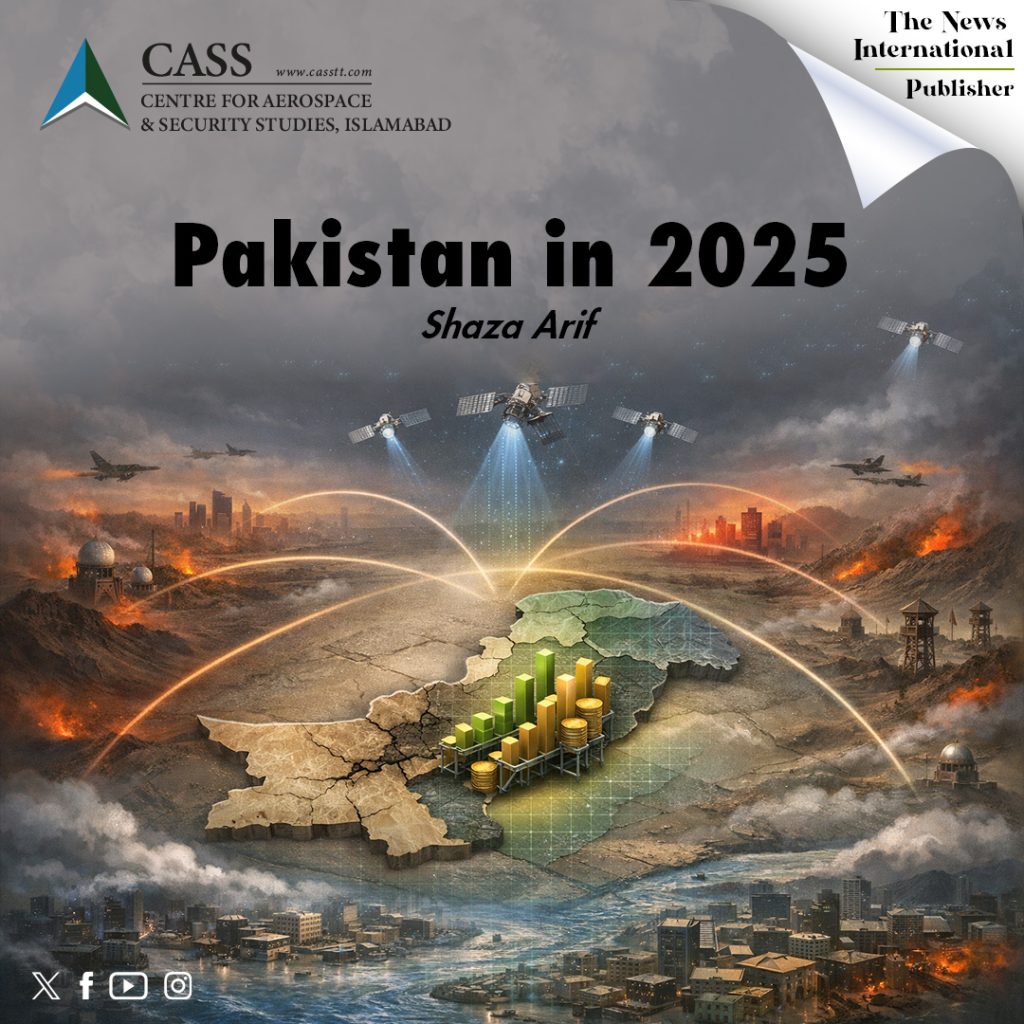
Pakistan in 2025

As 2025 draws to a close in few days, it is time to reflect back on the chain of events that have shaped the year. Apart from the typical highs and lows – the year saw some unprecedented events that will have a lasting imprint.

Read More »