
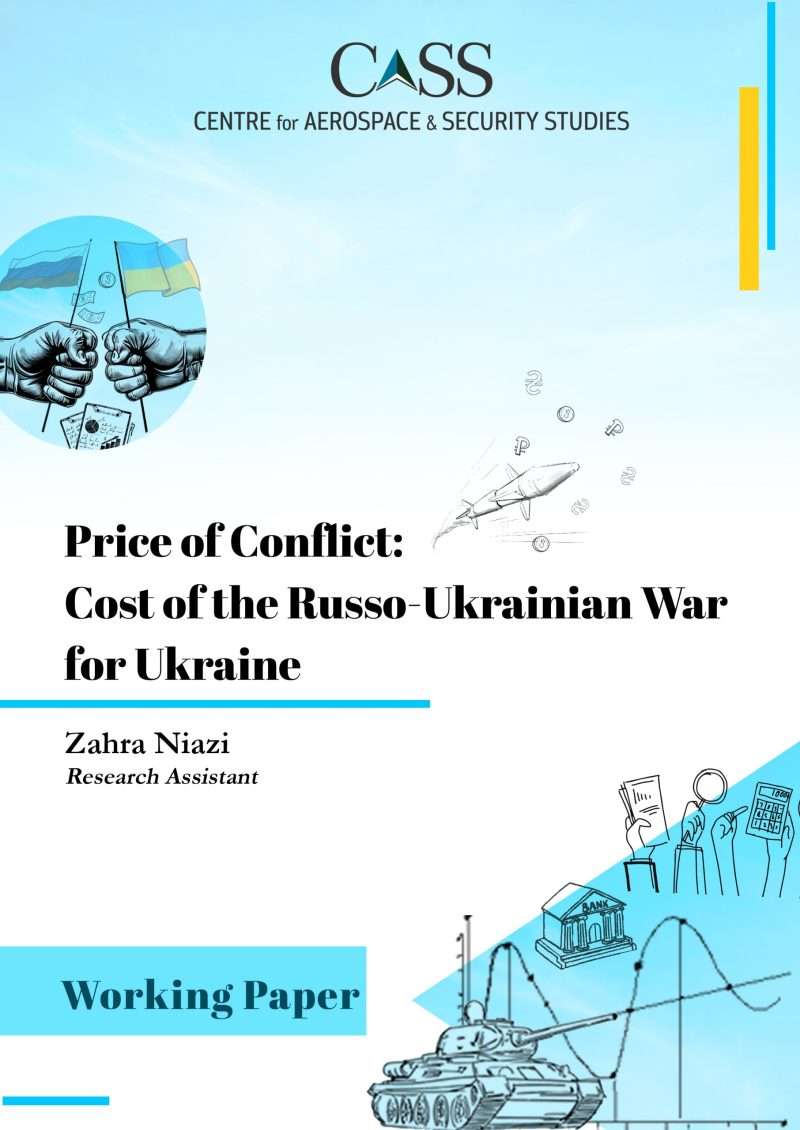
This study assesses the cost of the Russo-Ukrainian war for Ukraine from a financial and economic perspective. From February 2022 to December 2024, Ukraine’s war-related cost is estimated at a minimum of approximately USD 370 billion. This figure includes the costs associated with GDP losses (lower-end estimate), destruction of physical and natural capital, and financial capital losses reflected in declining market capitalisation. To put this into perspective, this is more than the amount (over USD 220 billion) spent on rebuilding Iraq between 2003 and 2014, as well as the amount, i.e., USD 141 billion, spent by the United States government on reconstruction in Afghanistan between 2002 and 2021. The entire cost of Syria’s reconstruction was also estimated to be anywhere between USD 250 billion and USD 400 billion in 2021. Second, Ukraine’s government spending has surged dramatically, with defence expenditures alone rising by an extraordinary 794.6% in 2022. Although any specific expenditure amount cannot be classified as a direct and immediate cost for the Ukrainian government due to the heavy reliance on external budget financing, including grants and loans, during these years, loans have constituted a larger share of external support, reflecting a cost of war deferred to the future. Beyond the debtservicing costs, the country faces other long-term financial commitments, including recovery and reconstruction needs (amounting to USD 524 billion from 2025 to 2035), higher defence spending requirements for a prolonged period, and social security needs to support veterans and war-affected citizens. Only through a lasting peace can Ukraine fully unlock its economic potential and rebuild a resilient and growth-driven economy.
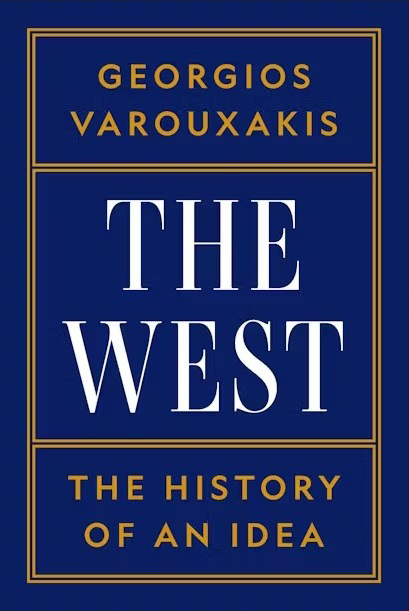
The West: The History of an Idea
The world is witnessing the collapse of the Western order, if not the emergence of an alternative one. The idea of ‘West’ as against the rest is still at the root of contemporary understanding of world politics. Georgios Varouxakis, a remarkable voice on Modernity and Nationalism, has provided the historical origins and modern connotations attached with the idea of ‘West’. In his book ‘The West: The History of an Idea’, Varouxakis has argued that the West is not an eternal entity, rather it is a modern socio-political construct that emerged in the political philosophy of the early 19th century and evolved with the passage of time. The book provides an in-depth historical analysis of the idea to determine the roots of its modern interpretation.
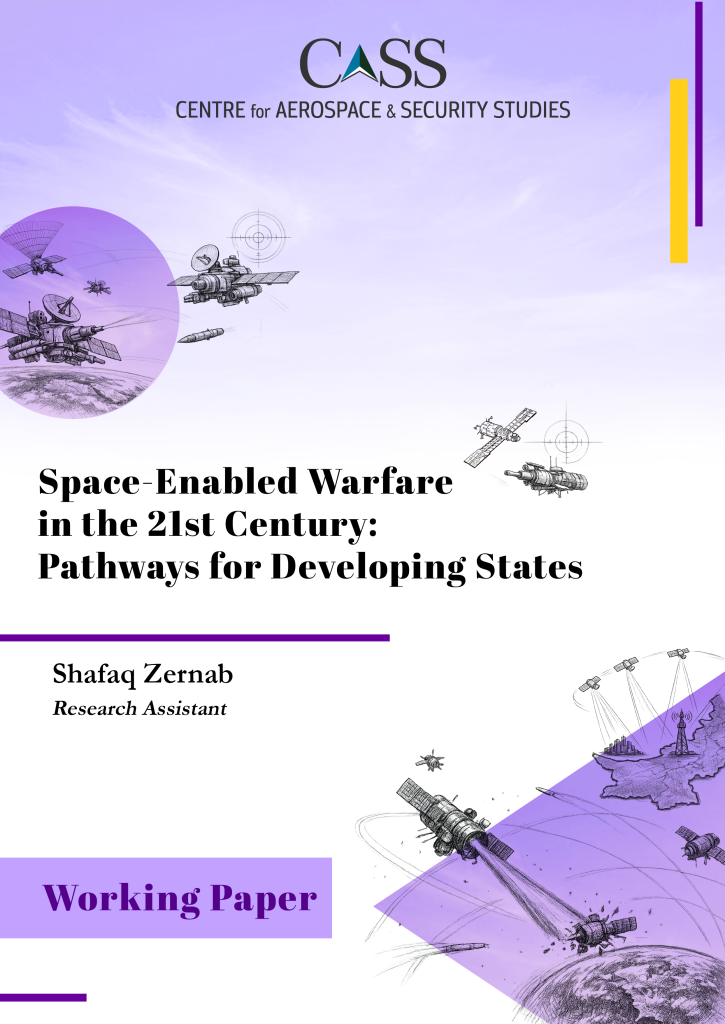
Space-Enabled Warfare in the 21st Century: Pathways for Developing States
Space has emerged as a distinct domain of warfare alongside land, sea, air, and cyber. Developed countries like the United States, Russia, and China possess offensive and support capabilities in space. In the shadowed expanse of Low Earth Orbit (LEO), where satellites operate like silent custodians, the 2022 Russian invasion of Ukraine transformed the nature of modern conflict. As Russian troops marched forward, the commercial satellites like Maxar and Planet, which are operated by Western firms, captured high-resolution imagery of Russian troops, providing real-time intelligence to Ukrainian commanders, unlike ever before.
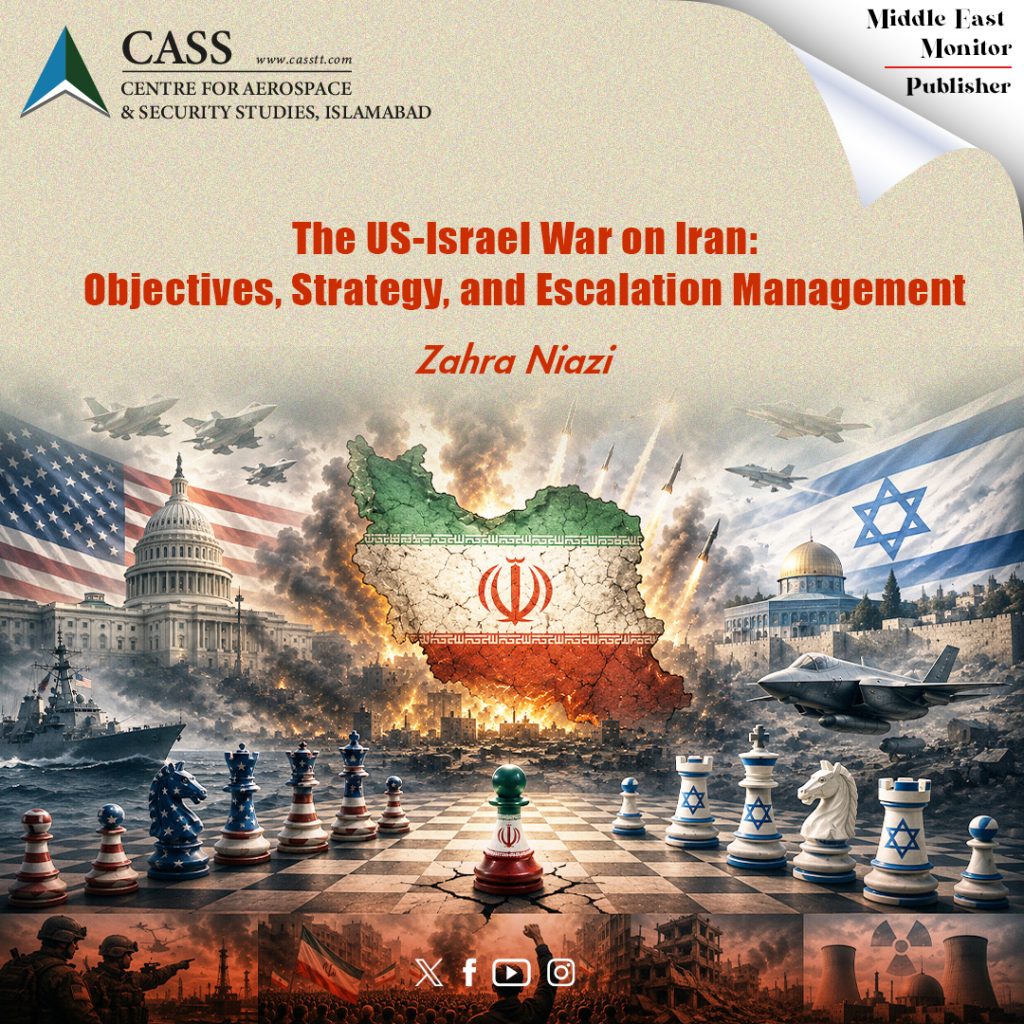
The US-Israel War on Iran: Objectives, Strategy, and Escalation Management
Zahra Niazi
‘States tend to overestimate themselves or the benefits and swiftness of war, and to underestimate their opponents’ capabilities, intentions, or the costs and duration of war.’ If anything, the 2026 war initiated by the United States and Israel against Iran shall be remembered in the annals of warfare among the most visible manifestations of this dynamic.
The war, immediately preceded by the January mass protests in Iran, did not represent a sudden rupture but rather the continuation of a 47-year-long confrontation and a more intense phase of the June 2025 war.
The US Secretary of War, Pete Hegseth, defined the war’s objectives as being laser-focused: to destroy Iran’s missile capabilities and its security infrastructure, while ensuring that it could never develop nuclear weapons. Beyond these stated objectives, among the priorities on the continuum also lay the objective of regime change, with both President Trump and Prime Minister Netanyahu explicitly calling on the Iranian population to take over the government at the outset of the war.
